Table of Contents

This organization provides fire suppression and emergency response services to a designated geographical area. Its personnel are not salaried employees but rather community members who dedicate their time and skills to protecting lives and property. They undergo training and certification to meet industry standards for firefighting and rescue operations.
The presence of such a dedicated team is invaluable to the locality it serves. It offers a cost-effective solution for emergency services, especially in areas where funding for a full-time, paid department might be limited. Historically, these groups have been the backbone of community safety, fostering a sense of civic responsibility and mutual aid.
The subsequent sections will delve into the specific services offered, the recruitment and training processes, and the vital role it plays in the broader emergency response network.
Safety Guidance
The following guidelines aim to enhance fire safety awareness and preparedness for the community.
Tip 1: Smoke Detector Maintenance: Regularly test smoke detectors, at least once a month, and replace batteries annually, or as indicated by the manufacturer. This ensures the devices are functional and can provide early warning in case of a fire.
Tip 2: Escape Plan Development: Create and practice a home fire escape plan with all occupants. Designate meeting points outside the residence and ensure everyone knows multiple escape routes from each room.
Tip 3: Kitchen Fire Prevention: Never leave cooking unattended, especially when using oil or grease. Keep flammable materials away from stovetops and ovens. In case of a grease fire, smother the flames with a lid and turn off the heat source.
Tip 4: Heating Safety Measures: Maintain heating equipment properly. Have furnaces and chimneys inspected and cleaned annually. Keep flammable materials at least three feet away from all heat sources.
Tip 5: Electrical Safety Practices: Avoid overloading electrical outlets and extension cords. Replace frayed or damaged cords immediately. Consider having a qualified electrician inspect your home’s wiring for potential hazards.
Tip 6: Safe Storage of Flammable Liquids: Store flammable liquids, such as gasoline and propane, in approved containers, away from heat sources and out of the reach of children.
Adhering to these recommendations significantly reduces the risk of fire incidents and enhances overall safety for individuals and the community.
The subsequent section will cover community engagement and ongoing educational initiatives.
1. Emergency Response

Emergency response constitutes the core mission of this volunteer fire department. It represents the tangible application of training, resources, and community dedication to mitigating immediate threats to life and property.
- Fire Suppression
Fire suppression involves the direct combating of fires, encompassing structure fires, vehicle fires, and wildland fires. This includes deploying water, foam, and other extinguishing agents to control and extinguish flames, preventing further spread and minimizing damage. For example, rapid response to a residential fire can prevent it from engulfing neighboring homes, demonstrating the critical importance of effective suppression techniques.
- Medical Assistance
Beyond fire suppression, this organization provides basic medical assistance at emergency scenes. This includes administering first aid, CPR, and other life-saving interventions until advanced medical personnel arrive. This dual role highlights the department’s value as a first responder to a variety of urgent situations.
- Rescue Operations
Rescue operations encompass a wide range of scenarios, including vehicle extrication, technical rescues (e.g., confined space, high-angle), and water rescues. These operations require specialized training and equipment to safely extract individuals from hazardous situations. For instance, extricating a driver trapped in a vehicle after a collision demands precision and expertise to avoid further injury.
- Hazardous Materials Response
The department may also respond to incidents involving hazardous materials. This includes identifying the substance, containing the spill or leak, and mitigating the risks to the public and the environment. Proper handling of hazardous materials requires specialized training and protective gear to prevent exposure and contamination.
The effectiveness of these emergency response capabilities is directly tied to the ongoing training and support provided to the volunteers, as well as the maintenance of their equipment. Consequently, these activities are integral to the organization’s ability to serve the community and protect lives and property.
2. Community Support

The operational effectiveness and long-term sustainability of a volunteer fire department are inextricably linked to the level of support it receives from the community it serves. This support manifests in various forms, each playing a crucial role in enabling the department to fulfill its mission.
- Financial Donations
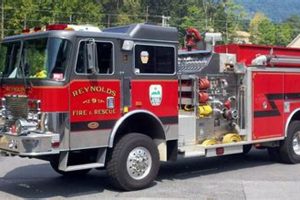
Direct financial contributions from residents and local businesses are vital for funding equipment purchases, maintenance, and training programs. These donations supplement limited municipal budgets and allow the department to acquire specialized tools and resources that would otherwise be unavailable. Examples include donations towards a new pumper truck or funding for advanced medical training for volunteer EMTs. Insufficient financial backing can severely limit the department’s capabilities and response effectiveness.
- Volunteer Recruitment and Retention
A strong pool of active volunteers is essential for maintaining adequate staffing levels. Community members who dedicate their time and skills to serving as firefighters, EMTs, and support personnel are the lifeblood of the organization. Active recruitment campaigns and efforts to retain experienced volunteers are crucial. For example, recognizing volunteer contributions through community events or providing educational opportunities can encourage continued participation. A decline in volunteer numbers can strain resources and impact response times.
- Public Advocacy and Awareness
Community members can advocate for the department’s needs and raise awareness about fire safety and emergency preparedness. This includes supporting local initiatives, attending public forums, and promoting the department’s services through word-of-mouth and social media. For instance, advocating for increased funding for fire prevention programs or participating in community fire drills can significantly enhance public safety. Lack of public awareness can hinder the department’s ability to implement effective safety measures and secure necessary resources.
- In-Kind Contributions
Businesses and individuals can provide in-kind support, such as donating equipment, supplies, or professional services. This can include providing maintenance on vehicles, donating office supplies, or offering pro bono medical consultations for volunteers. These contributions can significantly reduce the department’s operating costs and allow resources to be allocated to other critical areas. For example, a local mechanic providing discounted service on department vehicles can free up funds for training or equipment upgrades.
These interconnected facets of community support highlight the crucial role that residents play in ensuring the preparedness and effectiveness of the volunteer fire department. A robust and engaged community directly translates to a stronger, more capable emergency response force, ultimately enhancing the safety and well-being of all residents.
3. Training Standards

Rigorous training standards are paramount to the operational effectiveness and safety record of any volunteer fire department. Standardized training ensures that personnel possess the necessary skills and knowledge to respond effectively to a wide range of emergency situations, protecting both themselves and the community they serve. These standards encompass various areas, from basic firefighting techniques to advanced medical procedures, shaping the capabilities of organizations such as the Rosedale Volunteer Fire Department.
- National Fire Protection Association (NFPA) Compliance
Adherence to NFPA standards is a cornerstone of firefighter training. The NFPA develops and publishes consensus-based codes and standards aimed at minimizing the risk and effects of fire. For example, NFPA 1001 outlines the professional qualifications for firefighters, specifying the knowledge, skills, and abilities required at different levels of certification. The Rosedale Volunteer Fire Department’s training program would ideally incorporate NFPA guidelines to ensure its members meet nationally recognized benchmarks, enhancing credibility and interoperability with other emergency services.
- Emergency Medical Services (EMS) Certification
Many fire departments, including volunteer organizations, provide emergency medical services. Consequently, volunteers often require certification as Emergency Medical Technicians (EMTs) or paramedics. This training includes instruction in basic life support, advanced airway management, and medication administration. For instance, volunteers might participate in regular drills simulating medical emergencies to maintain their skills. The ability to provide pre-hospital medical care significantly expands the Rosedale Volunteer Fire Department’s role in the community, making it a vital resource during medical crises.
- Specialized Rescue Training
Depending on the specific hazards present in the Rosedale service area, specialized rescue training may be necessary. This could include training in vehicle extrication, confined space rescue, high-angle rescue, or water rescue. These courses equip volunteers with the skills and equipment needed to safely perform complex rescue operations. For example, if Rosedale is near a river or ravine, water rescue and high-angle rescue training become critical. Such specialized capabilities enhance the department’s ability to respond to diverse emergency scenarios.
- Continuing Education and Skill Maintenance
Initial training is only the beginning. Regular continuing education is essential to keep volunteers up-to-date on new techniques, technologies, and best practices. This can include attending workshops, participating in drills, and completing online courses. For instance, the Rosedale Volunteer Fire Department might schedule monthly training sessions on topics such as fire behavior or hazardous materials handling. Continuous learning ensures that volunteers maintain their skills and remain prepared to face evolving challenges in the field.
The commitment to rigorous training standards directly impacts the Rosedale Volunteer Fire Department’s ability to effectively protect its community. By adhering to nationally recognized guidelines, providing comprehensive medical training, offering specialized rescue skills, and emphasizing continuous education, the department can ensure that its volunteers are well-prepared to respond to a wide range of emergencies, ultimately saving lives and protecting property.
4. Equipment Maintenance
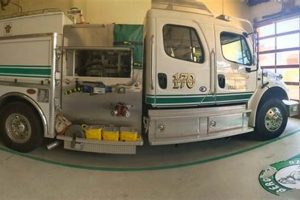
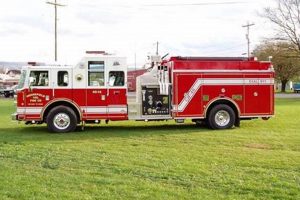
The operational readiness of the Rosedale Volunteer Fire Department hinges critically on a robust equipment maintenance program. This proactive approach minimizes equipment failure during emergency responses, directly affecting the safety of both the firefighters and the community they serve. Neglecting this critical function creates a domino effect: malfunctioning equipment delays response times, compromises firefighting effectiveness, and potentially escalates emergency situations. An example illustrates this point: a malfunctioning pump on a fire engine could significantly reduce the water pressure available to combat a structure fire, allowing the fire to spread more rapidly and endangering occupants. The departments ability to fulfill its core mission is therefore inextricably linked to the consistent and meticulous upkeep of its tools and vehicles.
Effective equipment maintenance extends beyond simple repairs. It encompasses regular inspections, preventative maintenance schedules, and adherence to manufacturer specifications. For instance, routine checks of self-contained breathing apparatus (SCBA) ensure that each unit is functioning correctly, providing firefighters with a reliable source of breathable air in hazardous environments. Detailed records of maintenance activities are also essential, allowing the department to track equipment performance, identify recurring issues, and optimize maintenance schedules. This data-driven approach ensures that resources are allocated effectively and that potential problems are addressed before they escalate into critical failures. Furthermore, proper maintenance prolongs the lifespan of equipment, representing a significant cost-saving measure for the department and the community it serves.
In summary, equipment maintenance is not merely a supplementary activity but an integral component of the Rosedale Volunteer Fire Departments overall operational strategy. Challenges may include securing adequate funding for maintenance programs and ensuring that volunteers have the necessary training and time to dedicate to these tasks. However, the consequences of neglecting equipment maintenanceincreased risks to firefighters, reduced response effectiveness, and potential financial burdensunderscore the paramount importance of prioritizing this essential function. Addressing these challenges through dedicated funding, training initiatives, and community support will ensure that the department remains prepared to protect the lives and property within its service area.
5. Volunteer Recruitment

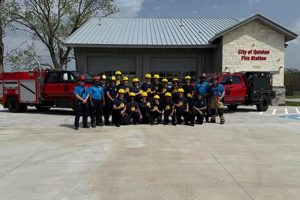
Volunteer recruitment is a fundamental process directly impacting the operational capabilities of the Rosedale Volunteer Fire Department. The department’s ability to provide adequate fire suppression, emergency medical services, and other critical support hinges on maintaining a sufficient number of trained and dedicated volunteers. A decline in volunteer numbers directly translates to slower response times, reduced staffing levels at emergency scenes, and potential strain on existing personnel. For example, if the department struggles to recruit new members, daytime response capabilities, when many residents are at work, may be severely compromised. This could mean increased property damage or delayed medical care during critical incidents.
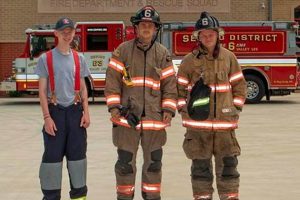
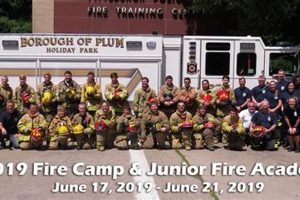
Effective volunteer recruitment strategies are crucial for attracting and retaining individuals committed to serving the community. These strategies often include targeted outreach to local schools, community organizations, and businesses. Highlighting the benefits of volunteering, such as the opportunity to learn valuable skills, contribute to the community, and gain personal fulfillment, is essential. Furthermore, creating a supportive and inclusive environment within the department can significantly improve volunteer retention rates. This may involve providing ongoing training opportunities, recognizing volunteer contributions, and fostering a strong sense of camaraderie. A real-world example of a successful strategy is partnering with local high schools to offer a “junior firefighter” program, introducing younger residents to the department and fostering interest in future volunteer service. Conversely, if recruitment efforts are inadequate, the department may be forced to rely on mutual aid agreements with neighboring fire departments, potentially increasing response times and impacting the quality of service provided to the Rosedale community.
In conclusion, volunteer recruitment is not merely an administrative task but a vital component of the Rosedale Volunteer Fire Department’s operational framework. The success of recruitment efforts directly influences the department’s ability to effectively serve and protect the community. Challenges in recruitment, such as competing demands on residents’ time and limited awareness of the department’s needs, must be addressed through proactive and innovative strategies. Prioritizing volunteer recruitment ensures the continued viability and effectiveness of this essential community asset.
Frequently Asked Questions
The following addresses common inquiries concerning the Rosedale Volunteer Fire Department’s operations, capabilities, and community role. This information aims to provide clarity and enhance understanding of the organization’s functions.
Question 1: What geographical area does the Rosedale Volunteer Fire Department serve?
The department provides fire protection and emergency response services to the unincorporated area of Rosedale and any areas specifically designated within mutual aid agreements with neighboring jurisdictions. Detailed service area maps are available on the county’s official website.
Question 2: How is the Rosedale Volunteer Fire Department funded?
Funding is derived from a combination of sources, including county tax revenue allocations, grants from federal and state agencies, and private donations from individuals and local businesses. These funds support operational expenses, equipment purchases, and training programs.
Question 3: What types of emergency calls does the Rosedale Volunteer Fire Department respond to?
The department responds to a wide range of emergencies, including structure fires, vehicle fires, wildland fires, medical emergencies, vehicle accidents, hazardous materials incidents, and technical rescues. Personnel are trained to address diverse scenarios.
Question 4: How can individuals become volunteer firefighters with the Rosedale Volunteer Fire Department?
Interested individuals must complete an application process, undergo a background check, and meet specific physical and medical requirements. Accepted applicants then participate in a comprehensive training program to achieve required certifications.
Question 5: What level of training do volunteer firefighters receive?
Volunteers receive training that meets or exceeds standards established by the National Fire Protection Association (NFPA). This includes classroom instruction, practical drills, and ongoing continuing education to maintain proficiency in firefighting and rescue techniques.
Question 6: How can the community support the Rosedale Volunteer Fire Department?
Community support can be provided through financial donations, volunteer recruitment efforts, participation in fire safety education programs, and advocacy for the department’s needs at local government levels. Active community engagement is essential to the department’s success.
In summary, the Rosedale Volunteer Fire Department is a vital community resource, relying on a combination of funding, volunteer efforts, and community support to provide essential emergency services. Understanding these aspects clarifies the department’s role and responsibilities.
The following section will elaborate on ways to further engage with and support the organization.
Conclusion
This examination has elucidated the multifaceted nature of the Rosedale Volunteer Fire Department. Its functionality extends beyond mere fire suppression, encompassing emergency medical response, specialized rescue operations, and proactive community engagement. The effectiveness of the organization hinges on stringent training standards, meticulous equipment maintenance, and, critically, sustained community support through financial contributions and volunteer participation. Each element is interdependent, contributing to a cohesive system designed to safeguard life and property within the designated service area.
The continued viability of the Rosedale Volunteer Fire Department remains a shared responsibility. Sustained community engagement, through active participation and unwavering support, ensures that this critical emergency response resource remains prepared to meet the evolving needs of the region it serves. The safety and well-being of the community are directly linked to the enduring commitment to maintaining a robust and well-supported volunteer fire service.