Table of Contents

A local organization provides fire protection and emergency response services to a community, relying on unpaid personnel. These individuals dedicate their time and effort to safeguarding lives and property within their jurisdiction. They are trained in firefighting, rescue operations, and often, emergency medical care. Many small towns and rural areas depend on this type of service for their public safety needs.
The existence of such an organization offers significant advantages to the community. It ensures rapid response times in emergencies, mitigating potential damage and injury. Furthermore, it fosters a sense of community involvement and civic responsibility, strengthening social bonds. Historically, these groups have played a vital role in protecting communities from the devastating effects of fires, often predating professional, paid fire services.
The subsequent sections will detail specific operational aspects, training procedures, community engagement strategies, and the challenges faced by this type of service. This will offer a deeper understanding of their critical role and the ongoing efforts to maintain a high level of preparedness and effectiveness.
Fire Safety Tips
Adhering to basic fire safety guidelines can significantly reduce the risk of fire-related incidents and ensure the safety of individuals and property. The following tips offer practical advice for preventing fires and responding effectively in emergency situations.
Tip 1: Smoke Detector Maintenance: Ensure smoke detectors are installed on every level of the home and inside each sleeping area. Test detectors monthly and replace batteries at least annually, or as recommended by the manufacturer. A functioning smoke detector provides early warning, crucial for safe evacuation.
Tip 2: Cooking Safety: Never leave cooking unattended. Keep flammable materials away from stovetops and ovens. Clean cooking surfaces regularly to prevent grease buildup, a common cause of kitchen fires. In case of a grease fire, do not use water; instead, cover the pan with a lid or use baking soda.
Tip 3: Heating Appliance Safety: Maintain heating appliances, such as furnaces and space heaters, according to manufacturer instructions. Keep flammable materials at least three feet away from all heating sources. Never use extension cords with space heaters; plug them directly into a wall outlet.
Tip 4: Electrical Safety: Inspect electrical cords and outlets regularly for damage. Avoid overloading circuits. If experiencing frequent blown fuses or tripped circuit breakers, consult a qualified electrician. Use surge protectors to protect sensitive electronic equipment.
Tip 5: Candle Safety: Never leave burning candles unattended. Keep candles away from flammable materials, such as curtains and furniture. Use sturdy candle holders and place them on a stable surface. Consider using flameless candles as a safer alternative.
Tip 6: Proper Storage of Flammable Liquids: Store flammable liquids, such as gasoline and propane, in approved containers and in well-ventilated areas away from heat sources. Never store flammable liquids inside the home.
Tip 7: Create and Practice an Escape Plan: Develop a home fire escape plan with all members of the household. Designate a meeting place outside the home. Practice the escape plan regularly to ensure everyone knows how to evacuate quickly and safely.
Consistent implementation of these preventative measures significantly enhances fire safety and reduces the likelihood of fire-related emergencies. Staying informed and proactive is crucial for protecting lives and property.
Further resources and detailed information regarding fire safety can be obtained from local fire departments and safety organizations.
1. Volunteers

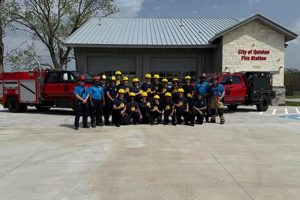
The operational capacity of any organization of this nature is fundamentally reliant on the commitment and availability of its volunteers. These individuals dedicate significant time and effort to serve their community, providing crucial emergency services without direct remuneration. The effectiveness and sustainability of the department are directly tied to the recruitment, retention, and training of these volunteers.
- Recruitment and Retention
Attracting and retaining volunteers is a persistent challenge. The demands of modern life, coupled with the rigorous training and operational requirements, can deter potential candidates. Successful recruitment strategies often involve community outreach programs, highlighting the opportunities for personal development and civic contribution. Retention is enhanced through supportive leadership, recognition of service, and provision of ongoing training and advancement opportunities.
- Training and Certification
Volunteers undergo extensive training to meet nationally recognized standards for firefighting, rescue operations, and emergency medical services. This training typically includes coursework, practical exercises, and ongoing continuing education. Certification ensures that volunteers possess the necessary skills and knowledge to safely and effectively respond to a wide range of emergencies. The commitment to training represents a significant investment in the capabilities of the department.
- Operational Roles and Responsibilities
Volunteers fulfill a variety of operational roles, ranging from firefighters and emergency medical technicians (EMTs) to support personnel responsible for equipment maintenance and administrative tasks. The diverse skill sets and expertise of volunteers are critical for ensuring a comprehensive and coordinated response to emergencies. Each role contributes to the overall effectiveness of the department.
- Community Integration and Support
Volunteers often reside within the communities they serve, fostering strong ties and a deep understanding of local needs. This integration enhances the department’s ability to effectively address specific community challenges and build trust with residents. Volunteers frequently participate in community events, promoting fire safety education and fostering a sense of shared responsibility for public safety. Their visible presence strengthens the bond between the department and the community it protects.
The commitment of volunteers directly determines the capabilities and responsiveness of this entity. Without their selfless dedication, many communities would lack vital emergency services. Ongoing efforts to support, train, and retain volunteers are essential for maintaining the department’s effectiveness and ensuring the safety and well-being of the community it serves.
2. Training

The effectiveness of a volunteer fire department is inextricably linked to the quality and rigor of its training programs. Comprehensive training is not merely an operational necessity; it is the cornerstone of safety, efficiency, and community trust. Standardized and continuous training allows the personnel to handle the dangerous tasks.
- Initial Firefighter Certification
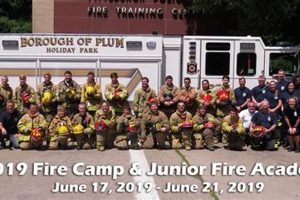
New recruits undertake an intensive initial training program, often adhering to standards set by the National Fire Protection Association (NFPA) or state-level fire academies. This foundational training covers essential firefighting techniques, including fire behavior, hose deployment, search and rescue, and ventilation. Successful completion leads to basic firefighter certification, a prerequisite for active participation in emergency responses. An example is completing Firefighter I and II, as certified by a state fire academy.
- Specialized Rescue Training
Beyond basic firefighting, personnel receive specialized training in areas such as vehicle extrication, water rescue, and confined space rescue. These specialized skills are critical for addressing the diverse range of emergencies that a volunteer fire department may encounter. For example, technicians trained in vehicle extrication use hydraulic rescue tools to safely remove trapped occupants from damaged vehicles. Specialized rescue teams improve the range and quality of services.
- Emergency Medical Services (EMS) Training
Many members are trained as Emergency Medical Technicians (EMTs) or paramedics, enabling the department to provide immediate medical care at the scene of an emergency. This training encompasses patient assessment, basic life support, advanced airway management, and medication administration. EMT training equips personnel to stabilize patients until advanced medical assistance arrives. The better and quickly you have medical care, the quicker it is to save someone’s life.
- Continuing Education and Skill Maintenance
To maintain proficiency and adapt to evolving best practices, personnel participate in ongoing continuing education and skill maintenance programs. This may involve refresher courses, drills, and participation in multi-agency training exercises. Continuing education ensures that personnel remain current on the latest firefighting techniques, medical protocols, and safety regulations. Regular trainings also allows the fire department to update them on any regulations that are updated.
The commitment to ongoing, comprehensive training directly impacts the department’s ability to effectively protect life and property. It is through this continuous investment in skills and knowledge that personnel are equipped to confront the inherent risks of emergency response and provide a high level of service to the community.
3. Equipment
Adequate and well-maintained equipment is critical to the operational effectiveness and safety of any volunteer fire department. The availability of appropriate tools and resources directly influences the department’s ability to respond to a variety of emergencies, protect lives and property, and ensure the safety of its personnel. Deficiencies in equipment can significantly impair response capabilities and increase risks for both firefighters and the public.
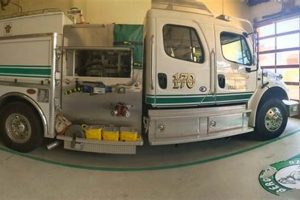
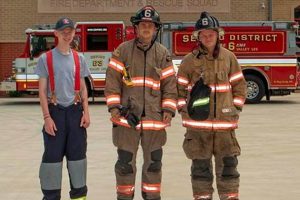
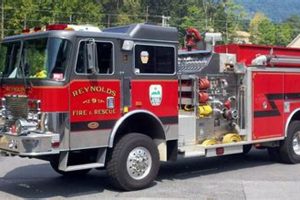
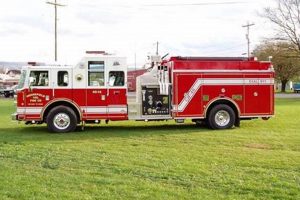
Examples of essential equipment include fire engines (pumpers), tankers (water tenders), rescue vehicles, and ambulances, each designed for specific functions. Fire engines provide water and firefighting capabilities, while tankers transport large volumes of water to areas without hydrant access. Rescue vehicles carry specialized tools for extrication and technical rescue operations. Ambulances are equipped for providing emergency medical care. Personal protective equipment (PPE), such as turnout gear, helmets, and self-contained breathing apparatus (SCBA), is crucial for protecting firefighters from heat, smoke, and hazardous materials. Regular maintenance and inspection of all equipment are essential to ensure operational readiness. For instance, SCBA units must be tested and certified annually to guarantee their reliability in hazardous atmospheres.
Funding limitations often pose a significant challenge to volunteer fire departments in acquiring and maintaining necessary equipment. Grant programs, fundraising efforts, and community support are vital for bridging the gap between budgetary constraints and operational needs. Up-to-date and well-maintained equipment not only enhances the department’s ability to serve the community effectively but also contributes to the morale and safety of its volunteer personnel. Prioritizing equipment needs and seeking innovative funding solutions are critical for sustaining the long-term viability of these organizations.
4. Response

Effective emergency response constitutes a core function. This capability stems directly from the department’s training, equipment, and the availability of its volunteers. Response effectiveness is measured by factors such as alarm handling time, turnout time (the time it takes for personnel to arrive at the station and dispatch), en route time, and on-scene effectiveness. A prompt and well-coordinated response can significantly mitigate damage and injury during fire incidents, medical emergencies, or other hazardous events. Conversely, delays in response can lead to more severe outcomes.
Geographic factors, such as road infrastructure and distance to incident locations, influence response times. The time of day and availability of volunteers also play a crucial role. For example, a daytime fire in a primarily residential area may present challenges due to volunteer work schedules. The department’s Standard Operating Procedures (SOPs) guide response protocols, ensuring consistent and coordinated actions during emergencies. Mutual aid agreements with neighboring departments are vital for managing large-scale incidents or situations where the department’s resources are stretched thin.
The success of an emergency response hinges on a combination of factors, including rapid notification, efficient dispatch, skilled personnel, and reliable equipment. Continuous monitoring of response times, analysis of incident data, and regular drills and exercises are essential for identifying areas for improvement. The ability to adapt response strategies based on evolving community needs and emerging challenges is paramount to the department’s continued effectiveness.
5. Community

The relationship between a volunteer fire department and its community is symbiotic, characterized by mutual support and dependence. The effectiveness of the fire department is intrinsically linked to the engagement and support it receives from the community it serves.
- Community Support and Funding
Financial support from the community, often through fundraising events, donations, and local government allocations, is essential for maintaining equipment, training volunteers, and sustaining operations. Community members actively participate in fundraising activities, recognizing the critical role the fire department plays in their safety and security. The lack of community financial assistance can lead to the department being incapable to buy the equipment or maintain it. It also helps to run other functions.
- Recruitment of Volunteers
Local residents constitute the pool from which the volunteer fire department draws its personnel. Community members volunteer time and effort, motivated by a sense of civic duty and a desire to protect their neighbors. Active recruitment efforts within the community are crucial for sustaining volunteer numbers. Volunteer numbers lacking can lead to a fire department from failing.
- Fire Prevention Education
The fire department engages in fire prevention education initiatives, targeting residents of all ages. These programs aim to raise awareness about fire hazards, promote fire safety practices, and equip community members with the knowledge to prevent fires. Community outreach enhances public safety and reduces the likelihood of fire-related incidents. If people of the community does not get educated about the fire codes and safety precautions, this can lead to accidental fires to occur.
- Community Trust and Engagement
A strong relationship with the community fosters trust and cooperation, enabling the fire department to effectively respond to emergencies. Community members rely on the fire department for assistance during crises and view the volunteers as trusted members of the community. Open communication and community involvement strengthen this bond. Without community trust, the effectiveness of the Fire Department becomes less to none.
These facets demonstrate that the volunteer fire department’s operational capabilities are heavily dependent on community engagement. Mutual support, financial backing, volunteer participation, and educational initiatives form a network of reciprocity that ensures both the safety and the well-being of the community and the continued efficacy of the local fire department.
6. Funding

Sustaining operational capabilities requires consistent and adequate financial resources. Without sufficient funds, the department may face significant challenges in maintaining equipment, training personnel, and responding effectively to emergencies.
- Municipal Budget Allocations
A primary source of financial support for many volunteer fire departments is the allocation of funds from municipal budgets. These allocations may cover a portion or the entirety of the department’s operating expenses, including equipment maintenance, fuel costs, and training programs. Municipal funding provides a degree of stability and predictability, enabling the department to plan for long-term needs. However, reliance on municipal funding can also subject the department to budgetary constraints and political considerations. For example, during periods of economic downturn, municipal budgets may be reduced, impacting the resources available to the fire department.
- Grant Programs
Volunteer fire departments frequently seek funding through grant programs offered by federal, state, and private organizations. These grants can provide substantial financial assistance for specific projects, such as the purchase of new equipment, facility upgrades, or specialized training initiatives. The application process for grant funding can be competitive and time-consuming, requiring detailed project proposals and adherence to strict eligibility criteria. Successful grant applications can significantly enhance the department’s capabilities. An example is applying for a FEMA grant for new SCBA units.
- Fundraising and Community Donations
Many volunteer fire departments supplement their funding through local fundraising efforts and community donations. These activities may include car washes, pancake breakfasts, raffles, and direct solicitation of donations from residents and businesses. Fundraising events not only generate revenue but also foster community engagement and raise awareness about the department’s needs. Community support often reflects a strong sense of appreciation for the services provided by the volunteer fire department. A local business may donate money to the local organization in exchange for public recognition.
- Cost Sharing and Mutual Aid Agreements
To maximize resources and reduce financial burdens, volunteer fire departments may enter into cost-sharing agreements with neighboring departments. These agreements can involve sharing the costs of equipment maintenance, training programs, or specialized services. Mutual aid agreements enable departments to provide assistance to each other during large-scale incidents or situations where local resources are insufficient. Such agreements promote regional collaboration and enhance overall emergency response capabilities. Two fire departments working together to respond to a fire allows for the best services.
These various funding streams interact to enable the operation of a volunteer fire department. Reliance on any single source can create vulnerability. Diversification of funding sources and prudent financial management are crucial for ensuring the long-term sustainability of these essential community resources.
Frequently Asked Questions
The following section addresses common inquiries regarding the function and operation of a volunteer fire department. These answers aim to provide clarity and promote understanding of the organization’s role in the community.
Question 1: What distinguishes a volunteer fire department from a career (paid) fire department?
The primary difference lies in staffing. A volunteer fire department relies on unpaid personnel who dedicate their time and effort to emergency response without receiving a salary. A career fire department employs full-time, paid firefighters.
Question 2: How does a volunteer fire department ensure it has adequate staffing for emergency calls?
The department utilizes a variety of strategies to maintain staffing levels, including aggressive recruitment efforts, pagers/alerting systems, and mutual aid agreements with neighboring departments. Response protocols are designed to maximize available resources during emergencies.
Question 3: What training do personnel receive?
Personnel undergo extensive training, meeting or exceeding national standards for firefighting, rescue operations, and emergency medical services. This training includes classroom instruction, practical exercises, and ongoing continuing education. Certifications are often required to ensure competency.
Question 4: How is the department funded?
Funding sources vary but typically include municipal budget allocations, grant programs, fundraising activities, and community donations. These funds support equipment maintenance, training, and operational expenses.
Question 5: What types of emergencies does the department respond to?
The department responds to a wide range of emergencies, including fires, medical calls, vehicle accidents, hazardous materials incidents, and technical rescues. The specific types of responses depend on the department’s capabilities and the needs of the community.
Question 6: How can community members support the department?
Community members can support the department through financial donations, volunteer recruitment efforts, participation in fundraising events, and adherence to fire safety practices. Showing support is critical to the organizations successes.
Understanding the challenges and contributions of a volunteer fire department fosters greater appreciation for their service and promotes community involvement.
The subsequent segment will transition to explore the role of technology and innovation.
In Conclusion
This document has outlined critical facets pertaining to volunteer fire departments, specifically, the significance of volunteers, the importance of continuous training, the necessity of updated equipment, responsiveness strategies, community reliance, and funding methodologies. The absence of any element can severely compromise operational capabilities and public safety.
The continued viability of entities such as the Worcester Volunteer Fire Department is incumbent upon sustained community commitment and forward-thinking leadership. Addressing the ever-evolving challenges inherent to emergency response requires proactive engagement, unwavering dedication, and a steadfast focus on safety and preparedness. Without this dedication the organization may collapse leading to devastating consequences to the area.