Table of Contents

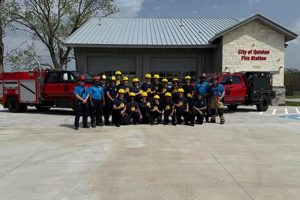
This organization provides emergency response services, including fire suppression, rescue operations, and basic medical aid, primarily relying on the dedication of unpaid personnel. Its operational territory encompasses a specific geographic area, offering crucial protection to the local community. As a volunteer entity, it stands in contrast to career fire departments where personnel are salaried employees.
The existence of such organizations is vital, particularly in areas where municipal budgets may be limited, allowing for cost-effective public safety provision. They often have deep roots in the communities they serve, fostering strong ties and a sense of civic responsibility. Historically, these departments have played a critical role in establishing and maintaining fire safety standards and providing essential services in developing areas.
This introduction sets the stage for a more in-depth examination of its structure, training programs, community engagement initiatives, and ongoing challenges related to recruitment and funding, essential for understanding its operational dynamics and overall impact.
Safety Recommendations
The following guidelines are provided to enhance public safety and prevent emergencies. Adherence to these recommendations can significantly reduce the risk of fire and other incidents.
Tip 1: Smoke Detector Maintenance: Ensure operational smoke detectors are installed on every level of the residence and outside each sleeping area. Test detectors monthly and replace batteries at least annually, or according to the manufacturer’s instructions.
Tip 2: Cooking Safety: Never leave cooking unattended. Keep flammable materials away from stovetops and ovens. In the event of a grease fire, do not use water; instead, cover the pan with a lid or use baking soda.
Tip 3: Electrical Safety: Avoid overloading electrical outlets and extension cords. Inspect cords for damage and replace them promptly. Use appliances with appropriate wattage ratings.
Tip 4: Heating Safety: Maintain heating equipment by having it inspected annually. Keep flammable materials at least three feet away from space heaters and other heating sources. Never use ovens or stoves for heating purposes.
Tip 5: Carbon Monoxide Detection: Install carbon monoxide detectors outside sleeping areas. Ensure proper ventilation when using fuel-burning appliances.
Tip 6: Escape Planning: Develop and practice a home escape plan with all occupants. Identify two exit routes from each room and designate a meeting place outside the residence.
Tip 7: Candle Safety: Never leave lit candles unattended. Keep candles away from flammable materials and place them on stable surfaces.
Tip 8: Outdoor Grilling Safety: Position grills at least 10 feet away from structures and flammable materials. Never grill indoors or in enclosed spaces. Ensure proper disposal of charcoal and propane.
These recommendations are designed to promote proactive safety measures and minimize the potential for hazardous situations. Implementing these practices can significantly improve the well-being of the community.
This information provides a foundation for continued discussion regarding community risk reduction and emergency preparedness.
1. Emergency Response

The Dumfries Triangle Volunteer Fire Department’s primary function centers around providing effective emergency response services to its designated service area. This encompasses a range of critical interventions designed to protect life, property, and the environment during times of crisis.
- Fire Suppression Operations
These operations involve the deployment of trained personnel and specialized equipment to extinguish fires in residential, commercial, and natural settings. The effectiveness of fire suppression directly impacts the extent of property damage and the potential for injuries or fatalities. Real-world examples include responding to house fires, vehicle fires, and brush fires, each requiring specific tactics and strategies. This capability is central to the Department’s mission of safeguarding the community.
- Medical Emergency Assistance
Often, the Department is the first to arrive on scene for medical emergencies, providing initial assessment and basic life support until advanced medical personnel arrive. This includes responding to incidents such as cardiac arrests, injuries from accidents, and other medical distress calls. Their initial interventions can be crucial in stabilizing patients and improving outcomes. For instance, providing CPR to a person experiencing cardiac arrest can significantly increase their chances of survival. The availability of this service is indispensable to citizens.
- Rescue and Extrication Services
This facet includes operations to rescue individuals from hazardous situations, such as vehicle accidents, collapsed structures, or confined spaces. Extrication requires specialized tools and techniques to safely remove victims without causing further injury. A common example is extricating individuals trapped in vehicles after a collision. This rescue is performed efficiently to aid citizens.
- Hazardous Materials Response
The Department is trained and equipped to respond to incidents involving hazardous materials, such as chemical spills or leaks. This involves containing the hazard, mitigating its effects, and ensuring public safety. These instances are performed in compliance with protocols.
These facets of emergency response are inextricably linked to the Dumfries Triangle Volunteer Fire Department’s core purpose. Their ability to effectively execute these operations directly translates to enhanced community safety and resilience in the face of unforeseen events.
2. Community Service

The Dumfries Triangle Volunteer Fire Department’s role extends beyond emergency response to encompass a significant commitment to community service. This dedication is driven by a desire to foster safety awareness, build trust, and contribute to the overall well-being of the local populace. The Department actively engages in various initiatives designed to educate, support, and connect with the community it serves. The effects of these efforts contribute to the maintenance of citizens quality of life.
One critical aspect of the Department’s community service is fire safety education. Personnel conduct presentations at schools, community events, and senior centers, providing valuable information on fire prevention, home safety inspections, and emergency preparedness. These sessions often include demonstrations of fire extinguishers, discussions on smoke detector maintenance, and guidance on developing family escape plans. Such programs help to reduce the likelihood of fires and improve response outcomes when emergencies occur. Additionally, the Department often participates in community events, such as parades, festivals, and fairs, offering opportunities for residents to interact with firefighters, learn about the Department’s services, and foster a sense of connection. These interactions help to build trust and strengthen relationships between the Department and the community.
In summary, the Dumfries Triangle Volunteer Fire Departments dedication to community service is an integral part of its mission. By providing education, support, and active participation in community events, the Department enhances public safety, builds trust, and contributes to the overall well-being of the area it serves. Challenges to these initiatives, such as resource constraints and volunteer availability, necessitate ongoing strategic planning and community support to ensure the continued effectiveness of these essential programs.
3. Volunteer Recruitment

The Dumfries Triangle Volunteer Fire Department fundamentally relies on volunteer recruitment for its operational viability. Without a consistent influx of volunteers, the department faces challenges in maintaining adequate staffing levels to respond effectively to emergencies. The cause-and-effect relationship is direct: successful recruitment leads to better community protection; inadequate recruitment results in diminished service capacity. This is not merely an administrative concern but a critical component affecting the department’s ability to fulfill its mission.
Real-life examples demonstrate the practical significance of this connection. For instance, a surge in recruitment following a local awareness campaign might enable the department to open a second station, thereby reducing response times in a rapidly developing area. Conversely, a decline in volunteer numbers due to demographic shifts or lack of community engagement could force the department to consolidate services, potentially increasing response times and stretching resources thinner. The department’s community involvement efforts play a large part in their ability to attract new volunteers.
Effective volunteer recruitment demands proactive strategies, including targeted outreach to diverse community segments, offering comprehensive training programs, and providing adequate support and recognition to volunteers. Challenges inherent in volunteer recruitment, such as time commitments and the demands of emergency response, necessitate innovative solutions and continuous improvement in recruitment techniques. Ultimately, the department’s success is inextricably linked to its capacity to attract and retain a dedicated volunteer force.
4. Fire Suppression

Fire suppression constitutes a core function of the Dumfries Triangle Volunteer Fire Department, directly impacting its operational effectiveness and community safety. The department’s capabilities in this area are critical for mitigating the destructive potential of fires within its service area.
- Rapid Response Tactics
The department employs various rapid response tactics to minimize fire spread and damage. These include initial attack strategies, such as deploying hose lines to contain the fire, ventilating structures to improve visibility and reduce heat, and conducting search and rescue operations. Real-world examples include responding to residential fires where quick intervention can prevent a small kitchen fire from escalating to a structure fire. These tactics are central to the initial stages of fire suppression.
- Advanced Firefighting Techniques
Beyond initial attack, the department utilizes advanced firefighting techniques tailored to different fire scenarios. These encompass strategies like coordinated interior attacks, defensive perimeter control, and the use of specialized equipment such as thermal imaging cameras to locate hidden fires. A structural fire scenario, where occupants are potentially trapped, the strategic coordination of these techniques becomes paramount. The ability to adapt firefighting methods to unique circumstances enhances fire suppression effectiveness.
- Water Supply Management
Effective fire suppression hinges on a reliable water supply. The department manages water resources through various means, including utilizing fire hydrants, drafting water from static sources like ponds, and coordinating with mutual aid partners for water tankers. During a large-scale incident, like a commercial building fire in an area with limited hydrant access, the department must efficiently manage water supply to sustain firefighting operations. This emphasizes the water supply management role.
- Post-Fire Overhaul and Investigation
Fire suppression extends beyond extinguishing flames to include post-fire overhaul and investigation. Overhaul involves searching for and extinguishing hidden embers to prevent rekindling, while investigation seeks to determine the fire’s origin and cause. A residential fire scene, where the cause is undetermined, meticulous overhaul and investigation are essential to ensure safety and prevent future incidents. The post-fire activities contribute to fire prevention and safety.
These facets of fire suppression underscore the Dumfries Triangle Volunteer Fire Department’s commitment to protecting its community. The department’s proficiency in these areas directly translates to reduced property damage, fewer injuries, and enhanced overall safety. Challenges in each of these areas necessitate ongoing training, resource management, and community support to maintain a high level of fire suppression capability.
5. Medical Assistance

The Dumfries Triangle Volunteer Fire Department provides essential medical assistance as an integral component of its emergency response services. This function represents a significant aspect of the department’s commitment to the well-being of the community. When medical emergencies occur, the department’s personnel are often the first to arrive on scene, offering immediate care prior to the arrival of advanced medical units. The provision of this initial care can significantly impact patient outcomes.
Department members are trained to provide basic life support, including CPR, first aid, and the administration of oxygen. For instance, in cases of cardiac arrest, prompt CPR administered by volunteer firefighters can sustain a patient until paramedics arrive with advanced life support equipment. Furthermore, in motor vehicle accidents, volunteer personnel provide trauma care, control bleeding, and stabilize patients before transport to a medical facility. The department’s medical response capability is particularly critical in areas where ambulance services may be delayed due to distance or high call volume. Their presence provides immediate support and intervention, bridging the gap until higher levels of care become available. This immediate action helps the safety and survival rate of citizens of the community.
Medical assistance provided by the Dumfries Triangle Volunteer Fire Department constitutes a vital service to the community. The department’s ability to deliver timely and effective basic medical care plays a significant role in improving patient outcomes during emergencies. Challenges include maintaining adequate training levels, acquiring necessary equipment, and coordinating with other emergency medical service providers. Despite these challenges, the department’s dedication to providing medical assistance remains a cornerstone of its commitment to community safety and welfare.
6. Training Standards
The operational effectiveness of the Dumfries Triangle Volunteer Fire Department is inextricably linked to its adherence to stringent training standards. The quality and consistency of its training program directly influence the competence and preparedness of its volunteer firefighters, impacting their ability to safely and effectively respond to emergencies. A high standard of training is not merely a procedural requirement but a fundamental prerequisite for the department’s successful execution of its mission.
Real-world examples illustrate this cause-and-effect relationship. A well-trained firefighter, adept at utilizing breathing apparatus and executing search and rescue techniques, is more likely to successfully rescue occupants from a burning building. Conversely, inadequate training in hazardous materials handling could lead to improper procedures, endangering both the firefighter and the surrounding community during a hazardous materials incident. Consider the practical significance of this understanding: a commitment to rigorous training translates directly into enhanced community safety and a reduced risk of injury or loss of life. The adherence to the National Fire Protection Association (NFPA) standards and other recognized benchmarks serves as a critical framework for the department’s training programs.
The Dumfries Triangle Volunteer Fire Department must prioritize comprehensive training in areas such as fire suppression techniques, medical first response, hazardous materials awareness, and incident command. Continuing education and recertification programs are also essential to maintain proficiency and adapt to evolving firefighting tactics and technologies. Challenges inherent in maintaining high training standards, such as limited resources and volunteer time constraints, necessitate innovative training delivery methods and ongoing support from the community and local government. Ultimately, the commitment to and enforcement of rigorous training standards are indispensable for the Dumfries Triangle Volunteer Fire Department to effectively serve and protect its community.
Frequently Asked Questions
The following questions and answers address common inquiries regarding the Dumfries Triangle Volunteer Fire Department, aiming to provide clarity on its operations and services.
Question 1: What services does the Dumfries Triangle Volunteer Fire Department provide?
The Dumfries Triangle Volunteer Fire Department offers fire suppression, emergency medical assistance, rescue operations, and hazardous materials response within its designated service area.
Question 2: How is the Dumfries Triangle Volunteer Fire Department funded?
Funding is derived from a combination of local government allocations, grants, and community fundraising efforts. These resources support operational expenses, equipment maintenance, and training programs.
Question 3: How does the Dumfries Triangle Volunteer Fire Department ensure its members are qualified?
The Department mandates rigorous training programs for all members, adhering to industry standards and certifications. Continuous education and regular drills maintain proficiency.
Question 4: What is the response time of the Dumfries Triangle Volunteer Fire Department to emergencies?
Response times vary depending on location, time of day, and call volume. The Department strives to maintain optimal response times through strategic station placement and efficient dispatch protocols.
Question 5: How can individuals support the Dumfries Triangle Volunteer Fire Department?
Support can be provided through monetary donations, volunteer recruitment efforts, and participation in community events hosted by the Department.
Question 6: How can residents request a fire safety inspection from the Dumfries Triangle Volunteer Fire Department?
Residents can contact the Department directly through its non-emergency phone number or website to schedule a fire safety inspection of their homes.
Understanding these aspects of the Dumfries Triangle Volunteer Fire Department contributes to a more informed community prepared for emergencies.
This information serves as a foundation for continued engagement and support of the Department’s vital services.
Conclusion
This exploration has illuminated various facets of the Dumfries Triangle Volunteer Fire Department, encompassing emergency response capabilities, community service initiatives, volunteer recruitment strategies, and training standards. The discussion underscored the department’s reliance on dedicated volunteers and the significance of community support for its continued operational effectiveness.
The Dumfries Triangle Volunteer Fire Department stands as a vital resource, demanding sustained community engagement to ensure its long-term sustainability and ability to serve effectively. Continued support will directly translate into enhanced safety and well-being for the region.