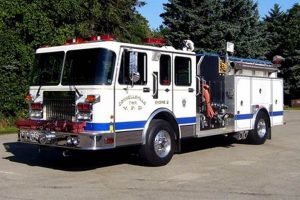
Table of Contents

An organization providing fire suppression and emergency medical services within a specific geographic area, relying primarily on unpaid personnel. Such entities supplement or replace paid professional firefighters, offering crucial support in communities where resources are limited or populations are dispersed.
These service providers play a vital role in community safety, bridging gaps in emergency response capabilities. Their existence ensures rapid intervention during critical situations, mitigating property damage and potentially saving lives. Often deeply rooted in the locale, these groups foster a sense of collective responsibility and civic engagement, contributing significantly to the social fabric of the region they serve. Many have long histories, evolving alongside the communities they protect.
The following sections will examine operational structures, training protocols, funding mechanisms, and community integration strategies that allow these essential emergency response units to function effectively.
Community Safety Recommendations
The following are guidelines designed to enhance safety and preparedness, contributing to a more resilient community environment.
Tip 1: Smoke Detector Maintenance: Ensure functionality by testing smoke detectors monthly. Replace batteries annually or as indicated by the manufacturer. Install detectors on every level of the residence and outside sleeping areas.
Tip 2: Escape Planning: Develop and practice a home fire escape plan with all occupants. Identify two exits from each room and establish a designated meeting place outside the home.
Tip 3: Cooking Safety: Never leave cooking unattended. Keep flammable materials away from stovetops and ovens. In the event of a grease fire, do not use water; instead, cover the pan with a lid or use baking soda.
Tip 4: Heating Appliance Inspection: Have heating systems professionally inspected and cleaned annually. Ensure proper ventilation for fuel-burning appliances to prevent carbon monoxide buildup.
Tip 5: Electrical Safety: Avoid overloading electrical circuits. Replace frayed or damaged cords immediately. Use surge protectors to safeguard electronic devices from power surges.
Tip 6: Carbon Monoxide Detectors: Install carbon monoxide detectors near sleeping areas. Test monthly and replace batteries annually or as indicated by the manufacturer.
Adherence to these recommendations can significantly reduce the risk of fire-related incidents and improve overall community safety. Proactive measures are essential for protecting lives and property.
The subsequent section will provide information regarding community involvement opportunities and resources for further safety education.
1. Community Support

Operational viability hinges directly on sustained community assistance. This assistance manifests not only through financial contributions but also through active volunteer recruitment, participation in fundraising events, and advocacy for necessary resources. Depleted ranks and inadequate funding directly impair the ability to respond effectively to emergency situations. A strong symbiotic relationship is essential; the department provides vital protection, and the community, in turn, provides the means to sustain that protection. For example, annual fundraising drives often secure crucial funding for equipment upgrades, while community recruitment efforts replenish volunteer ranks, ensuring adequate staffing for emergency responses.
The absence of consistent local backing leads to diminished service capabilities. Shortfalls in funding can postpone equipment replacement, rendering the department less effective in combating fires or responding to medical emergencies. Furthermore, dwindling volunteer numbers strain existing personnel, leading to longer response times and potential compromises in service quality. The strength of community partnerships directly mirrors the organization’s capacity to serve.
In conclusion, sustained public backing is not merely beneficial but fundamentally critical. Actively fostering community investment in the organization is essential to ensuring its enduring effectiveness and ability to safeguard the region it serves. Addressing challenges in recruitment and funding requires proactive outreach and transparent communication to cultivate and maintain public trust.
2. Emergency Response

Emergency response constitutes the core function of a volunteer fire department. The capability to mobilize rapidly and effectively in the face of diverse emergenciesstructure fires, vehicle accidents, medical calls, and natural disastersdefines the organization’s value to the community. The effectiveness of the response is directly proportional to factors such as the proximity of personnel, the availability of well-maintained equipment, and the level of training received. For instance, a structure fire necessitates immediate deployment of firefighting teams, requiring specialized gear and techniques to suppress the blaze and rescue potential victims. A delayed or inadequately equipped response can escalate property damage and endanger lives.
The connection between response capabilities and training is pivotal. Volunteer firefighters require extensive training in fire suppression, rescue techniques, hazardous materials handling, and emergency medical services. Regular drills and continuing education are essential to maintain proficiency and adapt to evolving emergency scenarios. Real-life incidents, such as a motor vehicle accident requiring extrication, highlight the need for specialized training. Without appropriate skills and equipment, personnel risk exacerbating injuries or compromising victim safety. Furthermore, the integration of the fire department into a regional emergency response network ensures coordinated action during large-scale incidents, enhancing overall effectiveness.
Ultimately, the practical significance of a robust emergency response capability lies in its ability to mitigate loss and safeguard the community. Challenges such as limited funding for equipment upgrades and volunteer recruitment can hinder the department’s effectiveness. Therefore, community support and proactive planning are crucial to ensuring the continued provision of timely and competent emergency services. The effectiveness of the emergency response directly reflects the strength and preparedness of the organization.
3. Volunteer Training
Comprehensive volunteer training forms the cornerstone of effective operations. It equips unpaid personnel with the skills and knowledge necessary to perform complex and often hazardous tasks in emergency situations. The quality and breadth of this training directly impact the safety of both the volunteers and the community they serve.
- Fire Suppression Techniques
Training in fire suppression encompasses various methods for extinguishing different types of fires, including structural, vehicle, and wildland fires. Volunteers learn how to properly use firefighting equipment, such as hoses, nozzles, and breathing apparatus. They also study fire behavior and tactics to safely and efficiently control blazes. For example, a simulated structural fire drill allows volunteers to practice coordinated entry, search and rescue, and fire attack strategies, improving response times and minimizing property damage.
- Emergency Medical Services (EMS)
Many departments provide basic or advanced life support services. Training in EMS equips volunteers with the skills to assess and treat patients with medical emergencies, such as cardiac arrest, trauma, and respiratory distress. Volunteers learn to administer CPR, provide oxygen therapy, control bleeding, and stabilize injuries. Regular refresher courses are essential to maintain certification and ensure proficiency in life-saving techniques. A volunteer responding to a car accident, utilizing their EMS training to stabilize a patient until paramedics arrive, exemplifies the direct impact of this facet.
- Hazardous Materials Response
Incidents involving hazardous materials require specialized knowledge and equipment. Training in hazardous materials response teaches volunteers how to identify and contain spills or leaks of dangerous substances. They learn about the different classes of hazardous materials, the risks they pose, and the appropriate protective measures to take. Simulated hazmat scenarios allow volunteers to practice containment and decontamination procedures, mitigating environmental damage and protecting public health. For instance, volunteers might learn to identify and mitigate the risks of a chemical spill from a vehicle accident.
- Search and Rescue Operations
Training for search and rescue prepares volunteers to locate and assist individuals in distress, whether in wilderness areas, collapsed structures, or other challenging environments. They learn techniques in map reading, navigation, rope rescue, and victim extraction. These skills are crucial in situations such as rescuing lost hikers in wooded areas or extricating individuals trapped in damaged buildings following a natural disaster. Participating in multi-agency search and rescue exercises improves coordination and ensures an effective response.
These training components are essential for a competent and prepared volunteer force. Continuous education and skills maintenance are paramount to the ongoing efficacy of any organization. The provision of quality training directly translates to improved community safety outcomes.
4. Equipment Maintenance

Operational readiness within a volunteer fire department is inextricably linked to consistent and thorough equipment maintenance. The proper functioning of apparatus, tools, and protective gear directly influences the safety and effectiveness of emergency response personnel. Deferred maintenance introduces significant risk, potentially leading to equipment failure during critical operations, thereby endangering both firefighters and the public. For instance, a malfunctioning pump on a fire engine can severely hamper water supply at a structure fire, delaying suppression efforts and increasing property damage. Similarly, a faulty self-contained breathing apparatus (SCBA) can compromise a firefighter’s air supply in a hazardous environment, posing a life-threatening situation.
The specific activities encompassed within equipment maintenance are diverse and require specialized knowledge. Regular inspections of fire engines, ambulances, and other vehicles are necessary to identify and address mechanical issues. Hoses and nozzles must be tested periodically to ensure proper flow and pressure. Power tools, such as hydraulic rescue tools (Jaws of Life), demand routine servicing to maintain optimal performance. Furthermore, personal protective equipment (PPE), including turnout gear, helmets, and gloves, requires cleaning, inspection, and repair to ensure its protective qualities are not compromised. A systematic approach to equipment maintenance, guided by manufacturer recommendations and industry best practices, is essential. For example, implementing a detailed checklist for weekly vehicle inspections can help identify potential problems before they escalate into major failures.
Ultimately, a commitment to meticulous equipment maintenance is a hallmark of a well-run volunteer fire department. Failure to prioritize this critical function undermines the organization’s ability to serve the community effectively. Overcoming challenges related to funding constraints and volunteer time commitments requires proactive planning and resource allocation. Establishing a dedicated maintenance schedule, securing necessary training for personnel, and seeking grants for equipment upgrades are all vital steps. Consistent maintenance minimizes the risk of equipment failure, prolongs the lifespan of valuable assets, and, most importantly, enhances the safety and effectiveness of emergency responders, thereby contributing to the overall security of the community.
5. Funding Acquisition

Sustaining operational capabilities is directly contingent upon securing adequate financial resources. The ability to effectively protect life and property necessitates proactive and diversified fundraising strategies.
- Grant Writing and Applications
Securing federal, state, and local grant opportunities constitutes a critical component of funding acquisition. Grant programs often provide substantial funding for equipment upgrades, training initiatives, and facility improvements. A proactive approach to identifying relevant grant opportunities, coupled with meticulous application preparation, is essential. For example, a successful application for a FEMA Assistance to Firefighters Grant can enable the purchase of a new fire engine, significantly enhancing the department’s ability to respond to structural fires. Failure to actively pursue grant funding can lead to deferred maintenance, outdated equipment, and compromised operational effectiveness.
- Community Fundraising Events
Organizing and executing community fundraising events is a vital strategy for fostering local support and generating revenue. These events, such as pancake breakfasts, car washes, and benefit auctions, not only raise funds but also strengthen community bonds and increase public awareness of the department’s activities. A well-attended fundraising event demonstrates community support and fosters goodwill, making it easier to solicit donations and recruit volunteers. A poorly planned or executed event, however, can damage the department’s reputation and deter future support.
- Donations and Sponsorships
Soliciting donations from individuals and businesses is a fundamental aspect of fundraising. Establishing a robust donation program, including online giving platforms and regular mail solicitations, enables the department to cultivate ongoing financial support. Securing sponsorships from local businesses provides a mutually beneficial arrangement, with businesses gaining visibility and the department receiving essential funding. A sustained donation program demonstrates accountability and transparency, fostering trust and encouraging continued contributions. In contrast, a lack of outreach and communication can result in decreased donations and limited community investment.
- Tax-Levy Support and Municipal Allocations
Advocating for tax-levy support and securing municipal allocations are essential for ensuring a stable and predictable funding stream. Working closely with local government officials to demonstrate the department’s value to the community is crucial. Presenting data on response times, emergency incidents, and community outreach programs strengthens the case for increased financial support. A successful tax-levy campaign or a favorable municipal allocation provides a reliable source of funding for essential services. However, failure to effectively communicate the department’s needs can lead to budget cuts and diminished operational capabilities.
The effective management of funding resources is paramount to upholding service quality. By diversifying income streams and cultivating community partnerships, a volunteer fire department can achieve financial stability and ensure continued responsiveness to emergency needs. A lack of proactive fundraising jeopardizes the organization’s sustainability and compromises its ability to protect the community it serves.
6. Public Education
A critical function often undertaken by a volunteer fire department is public education. This facet significantly contributes to community safety by proactively preventing emergencies and minimizing the impact of unavoidable incidents. The organization disseminates vital safety information through various channels, targeting specific demographics and addressing prevalent local hazards. For instance, the department might conduct fire safety demonstrations in schools, educating children about smoke detector maintenance, escape routes, and safe cooking practices. Similarly, workshops for senior citizens could focus on fall prevention, medication safety, and the importance of having accessible emergency contact information. These tailored initiatives aim to empower residents with the knowledge and skills to protect themselves and their properties. The effect of proactive public education reduces the overall frequency and severity of emergency calls, lessening the burden on the organization’s resources.
Effective public education extends beyond basic safety tips. It involves fostering a culture of preparedness and promoting responsible behavior. Departments actively participate in community events, such as fairs and festivals, to raise awareness about fire safety and offer hands-on demonstrations of firefighting equipment. Furthermore, they collaborate with local media outlets to disseminate timely safety messages during periods of heightened risk, such as wildfire season or extreme weather events. Collaboration with other community organizations, such as hospitals and schools, ensures a comprehensive and coordinated approach to public safety education. The benefits are multi-faceted, reducing property damage, preventing injuries, and ultimately saving lives. Successful public education creates a more resilient community, better equipped to handle emergencies independently.
Ultimately, public education represents a proactive investment in community well-being. Its success depends upon sustained effort, targeted outreach, and effective communication. While challenges such as limited resources and volunteer time constraints exist, a dedicated focus on public education yields significant long-term benefits. Disseminating safety information, promoting responsible behavior, and fostering a culture of preparedness contribute to a safer and more resilient community, thereby reducing the demands on the fire department and improving overall quality of life. The impact of public education reflects the department’s broader commitment to service and community protection.
Frequently Asked Questions
The following section addresses common inquiries regarding operations, services, and community interaction.
Question 1: How does it differ from a paid, municipal counterpart?
Primary differentiation lies in staffing. The organization relies predominantly on unpaid volunteers to provide fire suppression, emergency medical services, and other critical support functions. Paid departments employ full-time, salaried personnel.
Question 2: How does it fund operations?
Funding typically derives from a combination of sources including community donations, fundraising events, grants from federal, state, and local entities, and, in some instances, municipal allocations. Diversification of funding streams is crucial for sustained operation.
Question 3: What type of training is provided to personnel?
Volunteers undergo extensive training programs covering firefighting techniques, emergency medical procedures, hazardous materials handling, and search and rescue operations. Ongoing training ensures competence in evolving emergency scenarios.
Question 4: How does the organization contribute to community safety beyond emergency response?
The organization actively engages in public education initiatives, disseminating safety information, conducting fire prevention programs, and promoting community preparedness. Proactive outreach aims to reduce the incidence of emergencies.
Question 5: How are volunteers recruited and retained?
Recruitment strategies encompass community outreach, targeted advertising, and participation in local events. Retention efforts focus on providing supportive training environments, fostering camaraderie, and recognizing volunteer contributions.
Question 6: What geographical area does the organization serve?
Service boundaries are defined by jurisdictional agreements, typically encompassing specific neighborhoods, municipalities, or designated fire protection districts. Response protocols are coordinated with neighboring emergency service providers.
Operational viability is reliant on community involvement and sustained funding. Active participation ensures the continued provision of essential services.
The subsequent section will provide resources for further engagement.
Arbutus Volunteer Fire Department
This article has provided an overview of key operational facets. These encompass community support, emergency response protocols, volunteer training, equipment maintenance, funding acquisition strategies, and public education initiatives. Each component is interconnected and fundamentally critical to the organization’s overall effectiveness and sustainability.
The capacity of the Arbutus Volunteer Fire Department to safeguard the community is inextricably linked to active participation, responsible stewardship, and sustained financial backing. The commitment to public safety remains paramount, requiring continuous dedication and collaborative engagement from all stakeholders.