Table of Contents

Registered Nurse (RN) volunteer openings in one’s local area represent avenues for nurses to contribute their skills and expertise to community health initiatives and charitable organizations. These opportunities encompass a spectrum of activities, from providing direct patient care at free clinics to offering health education at community centers and assisting with disaster relief efforts. For instance, a registered nurse might volunteer at a local homeless shelter, providing basic medical assessments and referrals, or participate in a community health fair, offering blood pressure screenings and health advice.
Engaging in such volunteer work offers numerous benefits, both for the RN and the community served. Nurses can enhance their clinical skills, expand their professional network, and experience personal fulfillment through altruistic service. Furthermore, RN volunteerism significantly strengthens community health infrastructure by providing access to vital medical services for underserved populations. Historically, the nursing profession has maintained a strong commitment to community service, with volunteer work serving as a crucial component of addressing public health needs, particularly in times of crisis or limited resources. This commitment is embedded in the ethical code of nursing, emphasizing the responsibility to advocate for the health and well-being of all individuals.
The subsequent sections will explore avenues for discovering these local volunteer roles, detailing typical responsibilities, required qualifications, and the profound impact RN volunteers have on community health outcomes. Information on legal considerations and liability coverage related to RN volunteer work will also be provided.
Tips for Locating RN Volunteer Opportunities
The following suggestions offer guidance for registered nurses seeking volunteer positions within their immediate geographic area. Diligent application of these strategies can facilitate a successful match between a nurse’s skills and community needs.
Tip 1: Consult Professional Nursing Organizations: Many national and state-level nursing associations maintain listings of volunteer opportunities relevant to their members. These organizations often partner with healthcare facilities and community groups to promote volunteerism among RNs.
Tip 2: Utilize Online Volunteer Platforms: Websites dedicated to volunteer placements, such as VolunteerMatch and Idealist, allow users to filter opportunities by profession and location. Entering “registered nurse” and specifying the desired proximity can yield targeted results.
Tip 3: Contact Local Hospitals and Clinics: Even if advertised opportunities are not immediately apparent, contacting hospital volunteer departments or outreach programs at local clinics can uncover unlisted needs. Many facilities welcome the expertise of RNs, particularly in underserved areas.
Tip 4: Network with Healthcare Professionals: Inform colleagues, former instructors, and mentors of the intent to volunteer. Word-of-mouth referrals can be a highly effective way to learn about available positions or nascent volunteer initiatives.
Tip 5: Explore Faith-Based Organizations: Many religious institutions operate community outreach programs that require medical professionals. These programs may include health clinics, home visitation services, or support groups that benefit from the involvement of RN volunteers.
Tip 6: Review Local Health Department Websites: City and county health departments often collaborate with volunteer organizations to provide public health services. Checking these websites can reveal opportunities to assist with immunization clinics, health education campaigns, or disaster preparedness efforts.
Tip 7: Consider Hospice and Home Care Agencies: These agencies frequently seek volunteers to provide companionship, respite care, and basic medical support to patients and their families. RNs can offer valuable assistance in monitoring patients’ conditions and providing education on symptom management.
Adhering to these recommendations will significantly enhance the likelihood of finding suitable RN volunteer positions. The proactive engagement of nurses in their communities can have a profound impact on the well-being of vulnerable populations.
The subsequent section will detail legal and liability considerations pertinent to RN volunteer activities.
1. Proximity

The concept of proximity is a fundamental consideration when evaluating Registered Nurse (RN) volunteer opportunities. The geographic distance between a nurse’s residence or primary place of employment and the location of the volunteer service significantly influences the feasibility and sustainability of their engagement.
- Reduced Travel Burden
A shorter commute translates to less time and financial expenditure on transportation. This reduction in logistical demands can increase the likelihood of consistent participation in volunteer activities. For instance, an RN residing in close proximity to a community health clinic is more likely to commit to a regular volunteer schedule than one who must travel a significant distance.
- Enhanced Familiarity with Community Needs
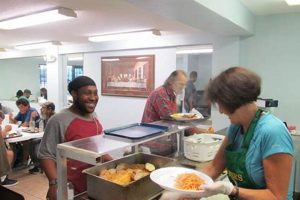
Volunteering within one’s immediate locale fosters a deeper understanding of the specific health challenges and demographic characteristics of the surrounding population. This heightened awareness enables nurses to tailor their volunteer efforts to address the most pressing needs of their neighbors. An RN volunteering at a local soup kitchen, for example, may gain insight into the nutritional deficiencies prevalent among the homeless population.
- Increased Accessibility During Emergencies
In the event of a local health crisis or natural disaster, RNs who volunteer within their community are better positioned to provide immediate assistance. Their proximity facilitates rapid response and allows them to leverage their existing knowledge of the area’s resources and infrastructure. During a local flooding event, an RN residing nearby could quickly mobilize to provide triage and basic medical care at a community shelter.
- Strengthened Community Ties
Volunteering locally fosters a sense of connection and belonging within the community. RNs who serve in their own neighborhoods often develop strong relationships with other volunteers, community leaders, and the individuals they serve. This social integration can enhance their sense of purpose and personal fulfillment. An RN regularly volunteering at a local senior center may form lasting bonds with the residents and become a trusted resource for health information.
In summary, the geographic element plays a pivotal role in maximizing the benefits and ensuring the long-term viability of RN volunteerism. Prioritizing opportunities that are located in close proximity to one’s residence or workplace enhances accessibility, fosters community engagement, and allows RNs to effectively address the specific health needs of their immediate surroundings.
2. Patient populations

The demographics and health characteristics of specific patient groups significantly shape the nature and availability of Registered Nurse (RN) volunteer opportunities within a defined geographic area. Understanding the prevailing healthcare needs of local populations is crucial for RNs seeking to provide targeted and impactful volunteer services.
- Elderly Populations
Communities with a substantial elderly population often require RN volunteers to assist with chronic disease management, medication administration, and geriatric care at senior centers, assisted living facilities, and hospice organizations. For example, an RN might volunteer at a local nursing home, providing wound care or monitoring vital signs of elderly residents with diabetes or hypertension.
- Low-Income and Underserved Communities
Areas with high rates of poverty and limited access to healthcare frequently necessitate RN volunteers to provide basic medical services, health education, and preventative care at free clinics, shelters, and community outreach programs. An RN could volunteer at a mobile health clinic in a low-income neighborhood, offering vaccinations or conducting health screenings for uninsured individuals.
- Pediatric Populations
Communities with a significant number of children may require RN volunteers to support school-based health programs, immunization clinics, and pediatric specialty care centers. RNs might volunteer at a summer camp for children with asthma, providing education on inhaler use and managing asthma exacerbations.
- Mental Health Populations
Areas with a high prevalence of mental health disorders often need RN volunteers to assist with crisis intervention, medication management, and therapeutic support at community mental health centers and support groups. An RN could volunteer at a local mental health agency, providing support to individuals with anxiety or depression and assisting with medication monitoring.
These patient populations provide a framework for understanding how the need for RN volunteers is driven by community-specific health concerns. RNs who align their volunteer efforts with the needs of these populations can maximize their impact and contribute meaningfully to improving the health and well-being of their local communities.
3. Skills utilization
Effective deployment of a Registered Nurse’s (RN) skills is paramount in maximizing the benefits derived from volunteer opportunities within a given locale. Aligning an RN’s specific competencies with the needs of a community organization ensures both the quality of service provided and the professional satisfaction of the volunteer.
- Direct Patient Care
Many RN volunteer positions necessitate the application of direct patient care skills, including wound management, medication administration, and vital sign monitoring. For instance, an RN volunteering at a free clinic may utilize these skills to provide essential medical services to uninsured individuals, addressing immediate health concerns and preventing the escalation of chronic conditions.
- Health Education and Promotion
RNs possess expertise in health education, which is valuable in promoting preventive care and healthy behaviors. Volunteer opportunities at community centers or schools often involve educating individuals on topics such as nutrition, disease prevention, and self-care strategies. This can empower community members to take proactive steps towards improving their health outcomes.
- Assessment and Triage
Volunteer roles in disaster relief or emergency response settings require RNs to utilize their assessment and triage skills to efficiently evaluate patients’ conditions and prioritize care. This expertise is critical in ensuring that the most urgent medical needs are addressed promptly during times of crisis, thereby mitigating the potential for severe health consequences.
- Case Management and Coordination
RNs with experience in case management can provide valuable assistance to vulnerable populations by coordinating access to essential healthcare services and resources. Volunteer opportunities at social service agencies or homeless shelters may involve connecting individuals with primary care physicians, mental health services, or substance abuse treatment programs. This coordination helps to improve continuity of care and address the complex needs of at-risk individuals.
The deliberate matching of RN skill sets with specific volunteer roles optimizes the impact of these opportunities on the community. Whether administering direct care, educating the public, or coordinating access to services, the strategic application of RN expertise ensures that volunteer efforts effectively address the most pressing healthcare needs within a local area.
4. Time Commitment

The allocation of time represents a critical factor in the successful engagement of Registered Nurses (RNs) in volunteer opportunities within their immediate geographic area. The feasibility and sustainability of RN volunteerism hinge significantly on the ability to balance volunteer duties with existing professional and personal obligations.
- Frequency and Duration of Shifts
Volunteer organizations typically offer varying shift lengths and schedules to accommodate the availability of RNs. The frequency of shifts, ranging from weekly to monthly, and the duration of each shift, from a few hours to a full day, directly influence an RN’s ability to commit to a volunteer position. For example, an RN working full-time may only be able to dedicate a few hours per month to volunteering, while a retired RN may have more flexibility to commit to multiple shifts per week.
- Flexibility and Predictability of Scheduling
The degree of flexibility and predictability in the volunteer schedule impacts an RN’s ability to plan and manage their time effectively. Some organizations offer fixed schedules, allowing RNs to commit to specific days and times in advance. Others provide more flexible scheduling options, enabling RNs to sign up for shifts based on their availability. The latter approach may be more appealing to RNs with unpredictable work schedules or family responsibilities.
- Training and Orientation Requirements
Prior to commencing volunteer duties, RNs are often required to complete mandatory training and orientation programs. The duration of these programs, ranging from a few hours to several days, represents an initial time investment that must be factored into the overall commitment. Furthermore, ongoing training or continuing education may be required to maintain competency in specific areas of practice.
- Impact on Personal and Professional Life
An RN’s time commitment to volunteer activities inevitably impacts their personal and professional life. A substantial commitment may necessitate adjustments to work schedules, social activities, or family responsibilities. It is therefore crucial for RNs to carefully assess their time constraints and prioritize their commitments to ensure that volunteering does not lead to burnout or negatively impact other aspects of their lives.
The judicious management of time is essential for RNs seeking to contribute meaningfully to their local communities through volunteerism. By carefully considering the frequency, duration, and flexibility of volunteer opportunities, RNs can find positions that align with their individual circumstances and enable them to provide consistent and impactful service without compromising their personal well-being or professional obligations.
5. Legal Liability

Legal liability constitutes a critical consideration for Registered Nurses (RNs) contemplating volunteer service within their local communities. The provision of healthcare services, even in a volunteer capacity, carries inherent risks of potential harm to patients. Consequently, understanding the legal ramifications of actions taken, or omitted, while volunteering is paramount for protecting both the RN and the organization served. The cause-and-effect relationship is direct: actions deviating from established standards of care can result in allegations of negligence, potentially leading to legal action. For instance, an RN administering medication incorrectly at a free clinic could face liability claims should the patient suffer adverse effects. This underscores the importance of careful documentation, adherence to protocols, and maintenance of professional competence.
The practical significance of understanding legal liability extends to securing appropriate liability coverage. Many volunteer organizations offer professional liability insurance to protect their volunteers. However, RNs should independently verify the scope and limits of such coverage and consider obtaining supplemental individual policies if deemed necessary. This is particularly relevant in situations where the volunteer organization’s coverage may be insufficient to cover potential damages or where the RN is providing services outside the organization’s direct oversight. Real-life examples highlight the potential for significant financial and reputational consequences stemming from liability claims, even in the context of volunteer work. The absence of adequate coverage can expose RNs to personal financial risk and jeopardize their professional licensure.
In summary, legal liability represents an indispensable component of RN volunteer opportunities. The potential for legal action necessitates a comprehensive understanding of applicable laws, adherence to professional standards, and the procurement of adequate liability coverage. While volunteer service offers invaluable benefits to the community, it must be undertaken with a clear awareness of the associated legal responsibilities. Proactive risk management strategies and diligent attention to detail can mitigate potential liability and ensure that RNs can continue to provide essential healthcare services to those in need without undue personal risk.
6. Community Impact
Registered Nurse (RN) volunteer engagements within a defined locale exert a demonstrable influence on various facets of community well-being. This influence, measurable through objective metrics and qualitative assessments, underscores the vital role RN volunteers play in bolstering local healthcare infrastructures.
- Improved Access to Healthcare Services
RN volunteerism directly expands access to healthcare, particularly for underserved populations. Free clinics, mobile health units, and community outreach programs often rely on RN volunteers to provide basic medical care, health education, and preventive screenings. This enhanced accessibility mitigates health disparities and improves overall community health outcomes. For example, an RN volunteering at a homeless shelter can provide wound care, administer medications, and offer health counseling to individuals who might otherwise lack access to such services.
- Enhanced Health Literacy and Preventive Care
RNs contribute significantly to improving health literacy within communities through education initiatives and health promotion activities. By providing information on disease prevention, healthy lifestyles, and self-management strategies, RN volunteers empower individuals to make informed decisions about their health. For instance, an RN volunteering at a community center can conduct workshops on diabetes management, educating participants on blood glucose monitoring, medication adherence, and dietary modifications.
- Strengthened Healthcare Infrastructure and Capacity
The presence of RN volunteers bolsters the capacity of local healthcare organizations to meet community needs, particularly during times of crisis or resource constraints. RNs provide valuable support to existing healthcare staff, enabling them to deliver more comprehensive and timely care. During a public health emergency, such as a flu outbreak, RN volunteers can assist with vaccination clinics, patient triage, and disease surveillance, thereby mitigating the impact on the community.
- Enhanced Community Resilience and Social Cohesion
RN volunteerism fosters a sense of community responsibility and social cohesion. By dedicating their time and expertise to serving others, RNs contribute to a culture of caring and mutual support. This strengthened social fabric enhances community resilience in the face of adversity and promotes a sense of collective well-being. An RN volunteering at a local food bank can not only provide health education to clients but also foster a sense of connection and support, thereby strengthening the community’s social fabric.
These examples underscore the tangible and multifaceted community impact derived from RN volunteer opportunities. By directly addressing healthcare gaps, promoting health literacy, bolstering healthcare capacity, and fostering social cohesion, RN volunteers serve as vital catalysts for community health and well-being, directly influencing health outcomes within a defined geographic area.
7. Organizational fit

Organizational fit, a critical consideration for Registered Nurses seeking volunteer opportunities, pertains to the congruence between an individual’s values, skills, and professional goals and the mission, culture, and operational practices of the volunteer organization. The alignment of these factors significantly influences the volunteer experience, impacting both the quality of service provided and the RN’s personal satisfaction.
- Mission Alignment
An RN’s personal values and professional ethics should align with the mission of the volunteer organization. For example, an RN deeply committed to environmental sustainability may find a strong organizational fit with a healthcare organization focused on reducing its carbon footprint and promoting eco-friendly practices. Conversely, a misalignment of values could lead to dissatisfaction and decreased engagement. An RN passionate about patient advocacy may experience frustration if volunteering with an organization that prioritizes cost-cutting measures over patient-centered care.
- Skill Set Utilization
The organization should provide opportunities for the RN to effectively utilize their existing skills and expand their professional expertise. An RN with extensive experience in emergency medicine may seek volunteer positions at disaster relief organizations or urgent care clinics. A proper fit ensures that the RN can contribute meaningfully to the organization’s goals while also enhancing their own professional development. Conversely, an organization that assigns an RN to tasks that are below their skill level or outside their area of expertise may lead to underutilization and decreased job satisfaction.
- Cultural Compatibility
A compatible organizational culture fosters a supportive and collaborative environment, enhancing the volunteer experience. An RN who thrives in a team-oriented setting may seek volunteer opportunities at organizations that prioritize teamwork and interdisciplinary collaboration. Cultural compatibility promotes a sense of belonging and mutual respect, thereby increasing volunteer engagement and retention. An RN who values autonomy and independent decision-making may find a better fit with an organization that empowers its volunteers to take initiative and exercise their professional judgment.
- Operational Practices
The operational practices of the volunteer organization, including its policies, procedures, and resource allocation, should align with the RN’s professional standards and expectations. An RN should ensure that the organization adheres to ethical guidelines, patient safety protocols, and legal regulations. Organizations with well-defined operational frameworks facilitate efficient and effective volunteer service. Conversely, an organization with disorganized or poorly managed operations may create challenges and frustrations for RN volunteers, leading to decreased engagement and potential liability concerns.
Ultimately, organizational fit is a key determinant of a successful and rewarding volunteer experience for RNs. Aligning personal values, skill set, cultural preferences, and operational expectations with the characteristics of the volunteer organization is essential for ensuring both professional fulfillment and effective community service, ultimately maximizing the impact of RN volunteer opportunities within a given local area. Consideration of fit ensures a more fruitful interaction between the volunteer and community.
Frequently Asked Questions Regarding RN Volunteer Opportunities
This section addresses common inquiries concerning Registered Nurse volunteer opportunities, offering concise answers to facilitate informed decision-making.
Question 1: What specific skills are most valuable in local RN volunteer roles?
Direct patient care skills, including wound care, medication administration, and vital sign monitoring, are highly valued. Health education and assessment abilities are also beneficial in many settings. The specific needs will vary based on the organization and patient population served.
Question 2: Is professional liability insurance coverage provided by volunteer organizations?
Many organizations offer liability coverage to protect their volunteers. However, it is imperative to verify the specifics of the coverage, including limits and exclusions. Supplemental personal liability insurance may be advisable in certain situations.
Question 3: How much time commitment is typically expected for RN volunteer positions?
Time commitments vary widely, ranging from a few hours per month to several hours per week. Flexibility in scheduling is often available, allowing RNs to tailor their involvement to their individual availability. Consistency, even with a limited time commitment, is often preferred.
Question 4: Where can reliable information be obtained about the qualifications required to volunteer?
Volunteer organizations typically outline specific qualification requirements in their position descriptions. State nursing boards and professional nursing associations may also offer guidance on relevant certifications or training.
Question 5: How does volunteer work impact an RN’s primary employment?
While volunteer work can enhance professional skills and expand networks, it is essential to ensure that it does not interfere with primary employment responsibilities. Potential conflicts of interest should be avoided, and employers should be informed if volunteer activities could potentially overlap with professional duties.
Question 6: What is the most effective method for identifying suitable volunteer organizations?
Online volunteer platforms, professional nursing organizations, and direct inquiries to local healthcare facilities are effective resources. Carefully consider the organization’s mission, patient population, and operational practices to ensure a suitable fit.
Understanding these answers provides a foundational basis for making informed decisions regarding RN volunteer activities. Consider legal and ethical implications when making decisions.
The subsequent section delves into risk mitigation strategies applicable to RN volunteer roles.
Navigating Registered Nurse Volunteer Opportunities in Proximity
The preceding exploration of “rn volunteer opportunities near me” has illuminated key considerations for registered nurses seeking to contribute their expertise within their local communities. The significance of proximity, targeted patient populations, effective skills utilization, manageable time commitments, diligent legal liability awareness, measurable community impact, and suitable organizational fit has been thoroughly examined. Understanding these elements facilitates informed decision-making and enhances the potential for impactful volunteer experiences.
As healthcare needs continue to evolve, the role of registered nurse volunteers remains critical in bridging service gaps and promoting community well-being. The active engagement of RNs in volunteer activities strengthens local healthcare infrastructures and fosters a culture of compassionate service. Thoughtful consideration of the factors outlined herein empowers RNs to make informed choices, maximizing their contributions and ensuring the sustainability of their volunteer efforts in addressing the ever-changing demands of healthcare within their immediate vicinities.