Table of Contents

This organization constitutes a vital public safety asset within its community. It is comprised of individuals who dedicate their time and effort, without financial compensation, to provide fire suppression, rescue services, and emergency medical assistance. The entity operates under established protocols and guidelines to safeguard life and property from the ravages of fire and other hazards. As a volunteer-based operation, it relies heavily on community support and fundraising initiatives to maintain equipment, training, and operational readiness.
The value of such a service is immeasurable. It ensures the availability of emergency response capabilities around the clock, regardless of prevailing conditions. The historical context of volunteer fire services highlights their long-standing tradition of civic duty and community self-reliance. The presence of a robust volunteer fire service can significantly impact insurance rates, property values, and the overall sense of security within the served area. These departments are crucial in areas where municipal fire departments may be under-resourced or non-existent.
The following sections will detail specific aspects of operation, training procedures, community involvement, and the challenges faced by this essential element of public safety infrastructure. Topics include recruitment and retention strategies, advanced life support capabilities, and the role of technology in modern firefighting techniques.
Safety and Preparedness Guidance
The following represents advice formulated from experience and best practices to enhance community safety and emergency preparedness.
Tip 1: Smoke Detector Maintenance: Ensure operational smoke detectors are installed on every level of the residence and outside each sleeping area. Test monthly and replace batteries annually, or as indicated by the manufacturer.
Tip 2: Fire Extinguisher Accessibility: Keep readily accessible, multi-purpose fire extinguishers within the home, particularly in the kitchen and garage. Familiarize occupants with their proper use following the PASS method (Pull, Aim, Squeeze, Sweep).
Tip 3: Home Escape Plan: Develop and practice a home fire escape plan with all household members. Designate a meeting point outside the residence to ensure accountability. Emphasize the importance of exiting quickly and not re-entering a burning structure.
Tip 4: Cooking Safety: Never leave cooking unattended. Keep flammable materials away from stovetops and ovens. In the event of a grease fire, smother the flames with a lid or baking soda; never use water.
Tip 5: Heating Appliance Inspection: Have heating systems, including furnaces, chimneys, and space heaters, professionally inspected and cleaned annually. Ensure proper ventilation and maintain a safe distance between heating appliances and combustible materials.
Tip 6: Electrical Safety: Regularly inspect electrical cords and outlets for damage. Avoid overloading circuits. Use surge protectors for sensitive electronics.
Tip 7: Carbon Monoxide Detection: Install carbon monoxide detectors near sleeping areas. Know the symptoms of carbon monoxide poisoning and seek immediate medical attention if suspected.
These proactive measures significantly reduce the risk of fire and increase the likelihood of a safe outcome during an emergency. Diligence in these areas contributes to overall community well-being.
Continuing this focus on community safety is crucial. Please be aware and prepare.
1. Community Support

The viability of the Leonardtown Volunteer Fire Department (LVFD) is intrinsically linked to the strength of community support. This support manifests in multiple forms, including financial contributions, volunteer recruitment, and active participation in fundraising events. The absence or diminishment of community backing directly impacts the department’s ability to maintain operational readiness, acquire necessary equipment, and provide adequate training for its personnel. For example, fundraising events such as pancake breakfasts and community auctions directly contribute to the LVFD’s budget, enabling the purchase of updated firefighting gear, emergency medical supplies, and specialized rescue equipment. Without such community-driven revenue streams, the LVFD would face significant limitations in its capacity to effectively respond to emergencies.
Furthermore, community support extends beyond monetary donations. The LVFD relies heavily on volunteer recruitment to maintain adequate staffing levels. Community members who dedicate their time and skills as firefighters, emergency medical technicians, and support personnel are essential to the department’s ability to provide 24/7 emergency coverage. A strong sense of community fosters a culture of volunteerism, encouraging individuals to contribute their time and expertise. Real-world examples include local businesses sponsoring LVFD events, schools allowing the department to conduct fire safety demonstrations, and residents actively participating in community outreach programs organized by the LVFD. These collaborative efforts strengthen the bond between the department and the community it serves, fostering mutual trust and cooperation.
In conclusion, community support is not merely a supplementary aspect of the LVFD; it is a foundational element upon which the department’s operational effectiveness and long-term sustainability depend. Challenges such as declining volunteerism rates and increasing budgetary constraints underscore the ongoing need to cultivate and reinforce community engagement. Recognizing and actively promoting the reciprocal relationship between the LVFD and the community is crucial for ensuring the continued provision of essential emergency services and safeguarding the well-being of Leonardtown residents.
2. Emergency Response

Effective emergency response is the cornerstone of the Leonardtown Volunteer Fire Departments (LVFD) mission, directly impacting the safety and well-being of the community it serves. The department’s operational capability is predicated on its ability to swiftly and efficiently address a spectrum of emergency situations.
- Fire Suppression
Fire suppression forms the LVFD’s primary responsibility. This encompasses responding to structural fires, vehicle fires, and brush fires. Successful fire suppression hinges on rapid deployment of personnel and equipment, employing appropriate firefighting tactics, and ensuring the safety of both firefighters and civilians. For instance, in the event of a residential fire, the LVFDs response involves assessing the situation, establishing a water supply, initiating fire attack, conducting search and rescue operations, and ventilating the structure to reduce heat and smoke. Failure to execute these procedures effectively can result in significant property damage, injuries, or loss of life.
- Emergency Medical Services (EMS)
The LVFD provides critical pre-hospital medical care. This includes responding to medical emergencies such as heart attacks, strokes, traumatic injuries, and other life-threatening situations. LVFD personnel, often certified as Emergency Medical Technicians (EMTs) or paramedics, administer immediate medical assistance at the scene, stabilize patients, and transport them to appropriate medical facilities. An example is responding to a motor vehicle accident where victims require immediate trauma care, including spinal immobilization, bleeding control, and airway management. Timely and effective EMS intervention can drastically improve patient outcomes.
- Rescue Operations
The LVFD conducts a variety of rescue operations, including vehicle extrication, water rescues, and technical rescues. Vehicle extrication involves using specialized tools to safely remove trapped individuals from damaged vehicles. Water rescues necessitate specialized training and equipment to safely retrieve individuals from bodies of water. Technical rescues may involve confined space rescues, high-angle rescues, or trench rescues, all of which require specialized skills and equipment. For example, if a vehicle plunges into a local waterway, the LVFDs water rescue team would deploy specialized boats and divers to locate and rescue any occupants. The success of these operations hinges on highly trained personnel and well-maintained equipment.
- Hazardous Materials Response
The LVFD responds to incidents involving hazardous materials, such as chemical spills or leaks. These situations require specialized training and equipment to mitigate the risks posed by hazardous substances. LVFD personnel are trained to identify hazardous materials, contain spills, and decontaminate affected areas. A real-world example might involve responding to a tanker truck accident resulting in the release of hazardous chemicals, requiring the LVFD to implement containment measures to prevent environmental contamination and protect public health. This component exemplifies how the LVFD helps to minimize the harmful impact of hazardous materials incidents.
These emergency response capabilities collectively underscore the LVFD’s crucial role in safeguarding the Leonardtown community. The effectiveness of these operations directly correlates to the level of training, equipment, and community support the department receives. Continuous improvement in these areas remains paramount to ensuring the LVFD’s ability to effectively respond to future emergencies.
3. Volunteer Training
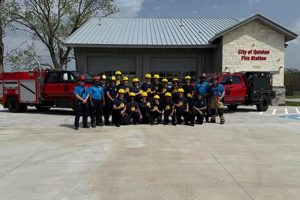
Comprehensive volunteer training is an indispensable component of the Leonardtown Volunteer Fire Department’s (LVFD) operational efficacy. The proficiency of its volunteer personnel directly correlates to the quality and rigor of the training programs implemented. Effective training ensures the safety of both the volunteers and the community they serve.
- Fire Suppression Techniques
This facet encompasses practical instruction in fire behavior, fire attack strategies, and the proper utilization of firefighting equipment. LVFD volunteers receive hands-on training in live-fire scenarios, simulating real-world conditions to hone their skills. Examples include training exercises involving controlled burns in acquired structures, allowing volunteers to practice coordinated fire suppression tactics under the supervision of experienced instructors. Inadequate training in this area can lead to inefficient fire suppression efforts, increasing the risk of property damage and firefighter injuries.
- Emergency Medical Services (EMS) Certification
Many LVFD volunteers pursue Emergency Medical Technician (EMT) or paramedic certifications, enabling them to provide pre-hospital medical care. This involves completing extensive classroom instruction, clinical rotations, and practical skills assessments. Volunteers learn to assess patient conditions, administer basic and advanced life support, and transport patients to medical facilities. Real-life examples include LVFD volunteers responding to motor vehicle accidents, providing immediate medical attention to injured individuals while awaiting ambulance transport. Lack of adequate EMS training can compromise the quality of patient care and negatively impact survival rates.
- Rescue Operations Training
LVFD volunteers receive specialized training in various rescue disciplines, including vehicle extrication, water rescue, and technical rescue. This training involves learning the proper use of hydraulic rescue tools, ropes and rigging systems, and other specialized equipment. Volunteers participate in simulated rescue scenarios to practice their skills in a controlled environment. For instance, LVFD volunteers may participate in mock vehicle extrication exercises, practicing techniques to safely remove trapped occupants from damaged vehicles. Insufficient rescue training can hinder the department’s ability to effectively respond to rescue emergencies, potentially endangering the lives of victims.
- Hazardous Materials (HazMat) Awareness
LVFD volunteers receive training in hazardous materials awareness, enabling them to recognize and respond safely to incidents involving hazardous substances. This training includes instruction in chemical identification, personal protective equipment (PPE), and decontamination procedures. Volunteers learn to assess the risks associated with hazardous materials incidents and take appropriate actions to protect themselves and the public. An example is LVFD volunteers participating in simulated HazMat response exercises, practicing containment and decontamination techniques. Inadequate HazMat training can expose volunteers to hazardous substances, posing significant health risks.
The commitment to ongoing volunteer training is vital for the LVFD to maintain its operational readiness and effectively serve the Leonardtown community. The diverse skills and knowledge gained through these training programs empower LVFD volunteers to respond competently and confidently to a wide range of emergency situations, contributing to the overall safety and well-being of the community.
4. Equipment maintenance

The Leonardtown Volunteer Fire Department (LVFD) relies heavily on the consistent operational readiness of its equipment. Dedicated equipment maintenance is not merely a routine task but rather a crucial determinant of the department’s ability to effectively respond to emergencies and ensure the safety of both its personnel and the community.
- Preventative Maintenance Programs
Proactive maintenance schedules are implemented to detect and address potential equipment failures before they occur. This encompasses routine inspections, lubrication, fluid changes, and component replacements based on manufacturer recommendations and usage patterns. For instance, regular inspection of fire hoses for leaks or wear, and servicing of the pumping apparatus on fire engines, are examples of preventative measures designed to maintain optimal performance. Consistent adherence to such programs minimizes unexpected breakdowns and prolongs the lifespan of critical equipment.
- Apparatus Maintenance and Repair
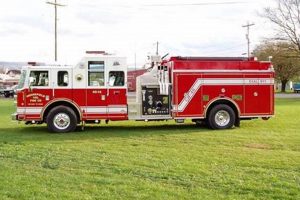
Fire apparatus, including fire engines, ladder trucks, and ambulances, undergo rigorous maintenance and repair procedures. This involves qualified mechanics and technicians performing complex repairs, overhauling engines, and maintaining intricate systems such as braking, steering, and electrical components. A real-world instance includes the meticulous repair of a fire engine’s water pump to ensure adequate water pressure during fire suppression operations. The integrity of the apparatus directly influences the LVFD’s capacity to deliver essential services.
- Personal Protective Equipment (PPE) Inspection and Care
Firefighters’ safety hinges on the integrity of their Personal Protective Equipment (PPE), which includes turnout gear, helmets, gloves, and self-contained breathing apparatus (SCBA). Regular inspections are conducted to identify any damage or wear that could compromise the equipment’s protective capabilities. Additionally, proper cleaning and decontamination procedures are followed to remove contaminants and maintain the equipment’s functional performance. An example would be the routine inspection and maintenance of SCBA units to ensure proper air supply and mask seal during hazardous atmospheres. Neglecting PPE maintenance poses a significant risk to firefighter safety.
- Specialized Equipment Maintenance
The LVFD utilizes a diverse array of specialized equipment, including hydraulic rescue tools (Jaws of Life), thermal imaging cameras, and communication systems. Each piece of equipment requires specific maintenance procedures to ensure its functionality during emergency situations. An example would be the regular calibration and testing of thermal imaging cameras to ensure accurate readings during search and rescue operations. Proper maintenance of specialized equipment enhances the LVFD’s ability to effectively address complex rescue scenarios.
The facets of equipment maintenance are interconnected and collectively contribute to the operational readiness of the LVFD. Consistent adherence to maintenance protocols, coupled with well-trained personnel, ensures that the department can respond effectively to emergencies, protect the community, and safeguard the lives of its volunteers. Conversely, inadequate equipment maintenance can lead to equipment failures, delayed response times, and increased risks to both firefighters and the public.
5. Mutual aid agreements

Mutual aid agreements are critical cooperative arrangements that significantly augment the operational capacity of the Leonardtown Volunteer Fire Department (LVFD). These agreements establish pre-arranged protocols for resource sharing and collaborative response during large-scale emergencies or when local resources are overwhelmed.
- Resource Augmentation
Mutual aid agreements enable the LVFD to access additional manpower, specialized equipment, and expertise from neighboring fire departments and emergency services agencies. This resource augmentation is particularly vital during incidents requiring extensive firefighting operations, complex rescue efforts, or prolonged incident management. For instance, during a large structure fire, the LVFD may request additional fire engines, ladder trucks, and personnel from neighboring departments to supplement its own resources. The coordinated deployment of these resources enhances the overall effectiveness of the emergency response.
- Geographic Coverage Expansion
These agreements extend the LVFDs effective service area by providing backup coverage when local resources are committed to other incidents. This ensures that emergency calls within Leonardtown and its surrounding areas are promptly addressed, even when multiple incidents occur simultaneously. An instance includes a neighboring department responding to a medical emergency in Leonardtown while the LVFD is engaged at a fire scene. This expanded coverage minimizes response times and improves the overall level of emergency medical service provided to the community.
- Specialized Team Deployment
Mutual aid agreements facilitate the deployment of specialized teams and resources that the LVFD may not possess internally. These specialized resources can include hazardous materials teams, technical rescue teams, or wildland firefighting crews. An example would be the deployment of a regional hazardous materials team to Leonardtown in response to a chemical spill, providing specialized expertise and equipment to contain and mitigate the incident. Access to these specialized teams enhances the LVFD’s capability to handle complex and potentially dangerous emergencies.
- Cost-Effective Resource Sharing
Mutual aid agreements promote cost-effective resource sharing among participating agencies. Rather than each department individually investing in expensive specialized equipment or maintaining large reserve capacities, they can collectively pool their resources and share them as needed. This collaborative approach reduces duplication of effort, optimizes resource utilization, and ultimately saves taxpayer dollars. For example, several volunteer fire departments in a region may jointly purchase and maintain a specialized heavy rescue vehicle, sharing its use through a pre-established mutual aid agreement. This reduces the financial burden on any single department while ensuring access to essential rescue capabilities.
The reliance on mutual aid agreements demonstrates the LVFD’s commitment to collaborative emergency management and its recognition of the importance of interagency cooperation. These agreements are essential for maintaining a high level of emergency preparedness and ensuring the safety and well-being of the Leonardtown community. The proactive cultivation and strengthening of these partnerships remain critical to the LVFD’s continued success.
Frequently Asked Questions Regarding the Leonardtown Volunteer Fire Department
The following addresses common inquiries pertaining to the operation, function, and community role of this essential emergency service provider.
Question 1: What specific geographic area does this organization serve?
The primary service area encompasses the immediate vicinity of Leonardtown, Maryland, and extends to portions of St. Mary’s County as defined by established response boundaries. Specific boundaries are subject to change based on interagency agreements and evolving community needs.
Question 2: How is the Leonardtown Volunteer Fire Department funded?
Funding is derived from a combination of sources, including county appropriations, fundraising activities, and grants. Financial contributions from the community are vital for sustaining operational capabilities and acquiring necessary equipment.
Question 3: What training is required of volunteer firefighters?
Volunteer firefighters undergo extensive training programs exceeding minimum state standards. This encompasses fire suppression techniques, emergency medical services, hazardous materials awareness, and rescue operations. Continuous training is mandatory to maintain proficiency and ensure operational readiness.
Question 4: How can community members become involved as volunteers?
Interested individuals can apply through the department’s website or in person. Background checks and physical assessments are required. Various volunteer roles are available, ranging from firefighting and emergency medical services to administrative support.
Question 5: What types of emergency calls does the department respond to?
The department responds to a wide range of emergencies, including structural fires, vehicle accidents, medical emergencies, hazardous materials incidents, and rescue operations. The scope of services provided is comprehensive and aligned with community needs.
Question 6: How does the department coordinate with other emergency service providers?
Coordination is achieved through established mutual aid agreements and participation in regional emergency management initiatives. Interoperability is prioritized to ensure seamless collaboration during multi-agency responses.
Understanding these aspects provides valuable insight into the operations and dedication of this community asset.
The subsequent section will address the historical development and evolution of the LVFD.
Concluding Remarks
The preceding exploration of the Leonardtown Volunteer Fire Department underscores its indispensable role in safeguarding the community. From comprehensive training and equipment maintenance to emergency response protocols and collaborative mutual aid agreements, the department’s operational efficacy is multifaceted. Sustained community support remains a foundational element, enabling the provision of essential services and ensuring the department’s long-term viability.
Continued vigilance in fostering community engagement and maintaining operational readiness is paramount. As emergency landscapes evolve, the Leonardtown Volunteer Fire Department’s adaptive capacity will be crucial in meeting emerging challenges and upholding its commitment to public safety. Its sustained dedication to protecting lives and property will remain a cornerstone of the community’s resilience.