Table of Contents

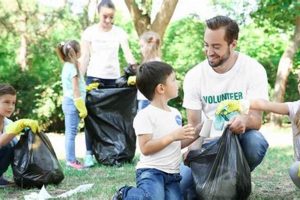
Volunteerism within Lee County provides avenues for individuals to contribute skills and time to various non-profit organizations, governmental agencies, and community initiatives. Such engagement supports the delivery of vital services, enhances community well-being, and fosters a stronger social fabric. Examples include assisting at food banks, tutoring children, supporting environmental conservation efforts, and providing aid during disaster relief operations.
Participation in these endeavors strengthens the community by addressing critical needs and promoting civic responsibility. Volunteers often report increased personal satisfaction, enhanced skills, and a broader understanding of local issues. Historically, volunteerism in Lee County has played a pivotal role in supplementing limited resources and addressing emerging challenges, particularly during times of economic hardship or natural disasters, ensuring essential services reach those who require them most.
The following sections will delve into the diverse range of available options, resources for finding suitable placements, and the positive impact these efforts have on both the volunteers and the recipients of their service throughout the region. Considerations for prospective volunteers, including required skills, time commitments, and necessary background checks, will also be examined.
Guidance for Engaging with Lee County Volunteer Opportunities
Prospective participants in Lee County’s volunteer sector should carefully consider several factors to ensure a productive and mutually beneficial experience. These considerations will assist in selecting roles that align with individual skills, interests, and availability.
Tip 1: Assess Personal Skills and Interests: A thorough self-evaluation is crucial. Individuals should identify their strengths, whether they lie in direct interaction with people, organizational tasks, or specialized skills such as data entry or landscaping. Matching skills to the needs of an organization increases volunteer effectiveness and satisfaction.
Tip 2: Determine Availability and Commitment Level: Evaluate available time realistically. Organizations rely on volunteers to fulfill specific schedules. Committing to more hours than can be reliably provided can negatively impact the organization’s operations. Consider both the frequency and duration of commitment. A consistent, albeit limited, schedule is often more valuable than sporadic, lengthy engagements.
Tip 3: Research Potential Organizations Thoroughly: Investigate the missions and activities of various organizations before applying. Ensure the organization’s values align with personal beliefs and that its work genuinely interests you. Review their websites, annual reports, and any available volunteer handbooks or descriptions.
Tip 4: Understand Volunteer Role Responsibilities: Obtain a clear understanding of the expected duties and responsibilities. Ask for a detailed job description or request a meeting with the volunteer coordinator to discuss expectations, training procedures, and reporting structures.
Tip 5: Inquire About Training and Support: Adequate training is essential for effective volunteer work. Ascertain whether the organization provides sufficient onboarding, ongoing training, and access to support resources. This ensures volunteers are equipped to perform their roles competently and confidently.
Tip 6: Clarify Background Check Requirements: Be prepared to undergo background checks, particularly when working with vulnerable populations such as children or the elderly. Understand the organization’s policies regarding background checks and provide accurate information during the application process. Allow ample time for the process to be completed before commencing volunteer duties.
Tip 7: Maintain Open Communication with the Volunteer Coordinator: Regularly communicate with the volunteer coordinator to address any concerns, provide feedback, and ensure alignment with the organization’s goals. Proactive communication fosters a positive working relationship and helps resolve issues promptly.
By adhering to these guidelines, prospective volunteers can maximize their positive impact on the Lee County community and derive personal fulfillment from their contributions. Thoughtful planning and commitment are key to successful and sustainable volunteer engagement.
The following sections will cover potential challenges faced during volunteer work and methods for overcoming them, followed by a summary of resources available to connect individuals with suitable opportunities within Lee County.
1. Diverse community needs

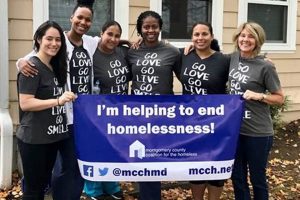
The correlation between diverse community needs and Lee County volunteer opportunities is characterized by a responsive ecosystem where the former necessitates the latter. Lee County’s demographic landscape encompasses a wide array of socio-economic circumstances, age groups, and cultural backgrounds, each presenting unique challenges and requirements. Food insecurity, homelessness, environmental conservation, educational support, and healthcare access represent only a fraction of the diverse needs that demand attention. Volunteer opportunities within the county arise directly from the urgency to address these disparities and improve the overall quality of life for all residents. A direct cause-and-effect relationship exists: as community needs become more pronounced or complex, the demand for targeted volunteer initiatives subsequently increases. Without a thorough understanding of these diverse needs, volunteer efforts risk being misdirected or ineffective, potentially exacerbating existing problems or failing to reach those who require assistance most urgently.
The importance of recognizing diverse community needs as a fundamental component of volunteer opportunities manifests in several practical ways. Organizations that conduct comprehensive needs assessments are better positioned to design targeted programs and recruit volunteers with the specific skills and expertise required to make a meaningful impact. For example, a program aimed at improving literacy rates among low-income children would benefit from recruiting volunteers with backgrounds in education or experience working with youth. Similarly, environmental conservation efforts would require individuals with expertise in biology, ecology, or related fields. Real-life examples include the Harry Chapin Food Bank, which relies on volunteers to distribute food to individuals and families experiencing food insecurity; Habitat for Humanity, which engages volunteers in building affordable housing for low-income residents; and various environmental organizations that utilize volunteer labor for beach cleanups and habitat restoration projects. These examples illustrate how effectively addressing diverse needs requires a nuanced understanding of the specific challenges faced by different segments of the community and a strategic deployment of volunteer resources to address those challenges.
In conclusion, the recognition and prioritization of diverse community needs are paramount to the success and impact of Lee County volunteer opportunities. By accurately identifying and understanding these needs, organizations can develop targeted programs, recruit qualified volunteers, and ultimately improve the lives of residents across the county. The challenge lies in maintaining a constant awareness of evolving community needs and adapting volunteer initiatives accordingly to ensure resources are allocated effectively and that no segment of the population is left behind. This understanding is critical for maximizing the positive impact of volunteerism and fostering a more equitable and resilient community.
2. Resource accessibility

The availability of resources significantly influences the effectiveness and participation rates within Lee County’s volunteer sector. Accessibility encompasses logistical support, information dissemination, and inclusive practices that enable individuals to engage in opportunities irrespective of their socio-economic circumstances or physical limitations. Limited resource accessibility can create barriers, hindering both volunteer recruitment and the successful execution of community programs.
- Transportation Availability
Adequate transportation is critical, particularly for volunteers without personal vehicles or those residing in geographically isolated areas of Lee County. Many volunteer positions require travel to specific locations, and the absence of reliable transportation options can dissuade potential participants. Organizations can mitigate this barrier by offering transportation stipends, coordinating carpools, or partnering with public transportation providers to facilitate access. For example, senior citizen centers often struggle to find volunteers due to transportation limitations among their target demographic. Addressing this issue can significantly expand the pool of available volunteers.
- Information Dissemination
Effective communication channels are essential for connecting individuals with relevant opportunities. Information regarding volunteer positions, application processes, and training schedules must be readily available through multiple platforms, including online databases, community newsletters, and local media outlets. Limited access to technology or digital literacy skills can exclude certain segments of the population. Organizations should, therefore, employ a multi-faceted approach to information dissemination, incorporating both digital and traditional methods. Posting flyers in community centers and partnering with local libraries can broaden reach to those without consistent internet access.
- Financial Barriers and Support
While volunteerism is inherently unpaid, indirect financial burdens can deter participation. These may include the cost of childcare, professional attire, or background checks. Organizations can address these barriers by providing stipends to cover expenses, offering childcare services during volunteer hours, or subsidizing the cost of background checks. Some non-profits also provide training and skill-building opportunities, which can enhance a volunteer’s future employment prospects and offset initial financial concerns. Understanding these financial implications is crucial for fostering a truly inclusive volunteer environment.
- Accessibility for Individuals with Disabilities
Volunteer opportunities should be accessible to individuals with disabilities, ensuring equal participation and contribution. This requires organizations to provide reasonable accommodations, such as accessible facilities, modified tasks, and assistive technologies. A commitment to inclusivity not only expands the pool of potential volunteers but also enriches the organization’s perspective and enhances its ability to serve a diverse community. Organizations that prioritize accessibility demonstrate a commitment to equity and social responsibility.
In summary, addressing resource accessibility is paramount to maximizing participation in Lee County volunteer opportunities. Overcoming logistical, informational, and financial barriers ensures that individuals from all segments of the community can contribute their skills and time, strengthening both the organizations they serve and the broader Lee County community. A strategic focus on resource accessibility is not merely a matter of convenience but a fundamental aspect of creating an equitable and impactful volunteer ecosystem.
3. Skill-based matching

Skill-based matching, the practice of aligning volunteer aptitudes and experience with specific task requirements, is a critical component of effective volunteer management within Lee County opportunities. Its application maximizes volunteer engagement, enhances organizational efficiency, and ensures the delivery of high-quality services to the community.
- Enhanced Volunteer Satisfaction
When volunteers are assigned roles that leverage their existing skills, they experience increased job satisfaction and a stronger sense of accomplishment. For example, a retired accountant volunteering to assist a non-profit with financial record-keeping is likely to find the experience more fulfilling than if assigned to general administrative tasks. This alignment fosters a deeper commitment to the organization and reduces volunteer attrition rates.
- Improved Organizational Efficiency
Placing volunteers in positions that match their skills streamlines workflows and reduces the need for extensive training. A volunteer with prior experience in data entry, for instance, can immediately contribute to an organization’s data management efforts without requiring significant instruction. This improves overall organizational efficiency and allows staff to focus on core program activities. The United Way of Lee, Hendry, and Glades Counties effectively utilizes skill-based matching to place volunteers in roles that directly support their community impact initiatives.
- Optimized Resource Utilization
Skill-based matching ensures that volunteer resources are utilized effectively by channeling expertise where it is most needed. This reduces the likelihood of mismatched assignments that could lead to inefficiencies or errors. For instance, recruiting medical professionals to provide healthcare services during a disaster relief effort is a direct application of skill-based matching, ensuring that specialized skills are available when and where they are most crucial. Community Cooperative, Inc. regularly seeks volunteers with specific skill sets to support their various programs addressing hunger and homelessness.
- Increased Service Quality
By assigning volunteers to roles that align with their abilities, organizations can enhance the quality of the services they provide. For example, a skilled carpenter volunteering to repair homes for low-income families can ensure that the work is completed to a high standard. This not only improves the living conditions of the recipients but also enhances the organization’s reputation and credibility within the community. Habitat for Humanity’s reliance on skilled construction volunteers exemplifies this benefit.
In conclusion, skill-based matching is an indispensable element of successful volunteer programs within Lee County. Its implementation contributes to enhanced volunteer satisfaction, improved organizational efficiency, optimized resource utilization, and increased service quality. By prioritizing skill-based matching, organizations can maximize the impact of their volunteer efforts and strengthen their ability to serve the community effectively.
4. Time commitments

The temporal aspect of volunteer service is a critical determinant in the effectiveness and sustainability of Lee County volunteer opportunities. Prospective volunteers’ ability to dedicate specific timeframes significantly influences organizational operations and program delivery. Understanding the correlation between required time commitments and individual availability is paramount for successful placement and long-term engagement.
- Varied Commitment Durations
Lee County volunteer positions necessitate a range of time commitments, from short-term, episodic engagements to ongoing, long-term involvement. Short-term opportunities, such as participating in a one-day beach cleanup or assisting at a single fundraising event, attract individuals with limited availability or those seeking to sample different volunteer experiences. Conversely, long-term roles, such as mentoring a child or providing regular administrative support to a non-profit, require a sustained commitment over months or years. Organizations must clearly articulate the required commitment duration to attract appropriate volunteers and manage expectations effectively. Misalignment between volunteer availability and organizational needs can lead to volunteer attrition and disruption of services.
- Scheduling Flexibility
The degree of scheduling flexibility offered by an organization significantly impacts volunteer recruitment and retention. Volunteer opportunities with rigid, predetermined schedules may exclude individuals with work or family obligations. Organizations that offer flexible scheduling, allowing volunteers to choose their hours or work remotely, can attract a wider pool of potential participants. Many organizations utilize online scheduling platforms to enable volunteers to self-select shifts that align with their availability. This approach enhances volunteer satisfaction and ensures consistent coverage of essential tasks.
- Impact on Volunteer Retention
Realistic assessment and management of time commitments directly correlate with volunteer retention rates. Volunteers who feel overwhelmed by the required time investment are more likely to disengage. Organizations should provide clear expectations regarding time commitments during the recruitment process and offer ongoing support to help volunteers manage their schedules effectively. Regular check-ins, flexible scheduling options, and opportunities for recognition can foster a sense of appreciation and encourage continued participation. High volunteer turnover can negatively impact organizational efficiency and program continuity.
- Seasonal Fluctuations in Demand
Volunteer needs often fluctuate seasonally, with increased demand during holidays, disaster relief efforts, or specific program cycles. Organizations must anticipate these fluctuations and adjust their recruitment strategies accordingly. Short-term volunteer opportunities can effectively address surge demands, while long-term volunteers provide stability and continuity throughout the year. A diversified volunteer base, encompassing both short-term and long-term commitments, enables organizations to effectively respond to changing community needs and maintain consistent service delivery. Coordination with local universities or community groups can supplement volunteer numbers during peak seasons.
In conclusion, thoughtful consideration of time commitments is crucial for both prospective volunteers and organizations offering Lee County volunteer opportunities. Clear communication, flexible scheduling, and realistic expectations are essential for attracting and retaining dedicated volunteers, ultimately strengthening the community’s capacity to address pressing needs and improve the quality of life for all residents.
5. Measurable Impact

The tangible results stemming from Lee County volunteer opportunities necessitate quantifiable metrics to assess effectiveness and guide future initiatives. Volunteer efforts, while intrinsically valuable, require analysis to ascertain their impact on addressing community needs. This involves identifying key performance indicators (KPIs) aligned with organizational goals, such as the number of individuals served, the value of resources distributed, or the improvement in specific community outcomes. A causal relationship exists: volunteer activities drive outputs, and measuring these outputs reveals the scope and effectiveness of the volunteer contribution. Without quantifiable data, organizations cannot effectively demonstrate their impact to stakeholders, secure funding, or optimize their programs for maximum benefit. For example, a literacy program employing volunteer tutors needs to track improvements in students’ reading levels to validate its effectiveness and inform instructional strategies. Demonstrating measurable impact validates the investment of time and resources by volunteers, donors, and the community.
Practical application of impact measurement involves several key steps. Firstly, organizations must establish clear and measurable objectives for each volunteer program. This requires defining specific, achievable, relevant, and time-bound (SMART) goals. Secondly, they must implement data collection methods to track progress towards these goals. This may involve surveys, interviews, pre- and post-assessments, or tracking the utilization of services. The data collected must then be analyzed to identify trends, assess program effectiveness, and inform adjustments. For instance, Habitat for Humanity could measure its impact by tracking the number of affordable homes built with volunteer labor and the subsequent improvement in the living conditions of recipient families. The Harry Chapin Food Bank could measure its impact by tracking the number of meals distributed by volunteers and the reduction in food insecurity among vulnerable populations. These examples illustrate how organizations can translate volunteer efforts into measurable outcomes, providing valuable insights for program improvement and resource allocation. The Volunteer Center, a valuable resource for individuals and organizations, often provides tools and guidance for impact measurement, reinforcing its importance.
In summary, the ability to quantify the impact of Lee County volunteer opportunities is essential for demonstrating value, securing resources, and optimizing program effectiveness. By establishing clear objectives, implementing robust data collection methods, and analyzing results, organizations can ensure that volunteer efforts translate into tangible improvements in community well-being. The challenge lies in consistently and accurately measuring impact across diverse programs and communicating results effectively to stakeholders. Ultimately, a commitment to measurable impact strengthens the volunteer sector’s accountability and its ability to address the evolving needs of the Lee County community.
6. Ongoing support systems
Sustained engagement within Lee County volunteer opportunities hinges significantly on the presence and efficacy of ongoing support systems. These systems, encompassing training, mentorship, recognition, and resource provision, are crucial for volunteer retention, effectiveness, and overall program success. The absence of adequate support structures can lead to volunteer burnout, decreased performance, and ultimately, a reduction in the capacity of organizations to meet community needs.
- Comprehensive Training Programs
Effective volunteer roles often require specialized knowledge or skills. Ongoing training programs ensure that volunteers are adequately prepared to fulfill their responsibilities and adapt to evolving organizational needs. These programs may include workshops, online modules, or on-the-job mentorship. For instance, volunteers assisting at a domestic violence shelter require training in crisis intervention and confidentiality protocols. The quality and accessibility of training directly impact the volunteer’s confidence and ability to contribute meaningfully.
- Mentorship and Peer Support Networks
Pairing new volunteers with experienced mentors fosters a sense of belonging and provides guidance during the initial stages of involvement. Mentors offer practical advice, share insights into organizational culture, and provide emotional support. Peer support networks create opportunities for volunteers to connect with one another, share experiences, and build camaraderie. These networks are particularly valuable in roles that can be emotionally challenging, such as providing hospice care or working with vulnerable populations. The availability of mentorship programs contributes significantly to volunteer retention and overall program effectiveness.
- Recognition and Appreciation Initiatives
Acknowledging and celebrating volunteer contributions reinforces their value and motivates continued engagement. Recognition initiatives may include formal awards ceremonies, informal thank-you notes, or public acknowledgment in organizational newsletters or social media platforms. Regular expressions of appreciation demonstrate that volunteer efforts are valued and contribute to a positive organizational culture. A lack of recognition can lead to feelings of undervaluation and ultimately, volunteer attrition. Effective recognition strategies are tailored to individual preferences and recognize both individual and team accomplishments.
- Access to Resources and Reimbursement
Volunteers often incur expenses related to their service, such as transportation costs, childcare fees, or the purchase of necessary supplies. Providing access to resources, such as transportation assistance or stipends for childcare, can remove financial barriers and enable broader participation. Reimbursement for out-of-pocket expenses demonstrates respect for volunteer contributions and ensures that financial limitations do not prevent individuals from engaging in meaningful service. Clear policies regarding resource allocation and reimbursement are essential for transparency and equitable access.
The presence of robust ongoing support systems is not merely a supplementary aspect of Lee County volunteer opportunities but a foundational requirement for sustained success. Organizations that prioritize volunteer support foster a positive and productive environment, attract and retain dedicated individuals, and ultimately, enhance their capacity to address community needs effectively. The absence of such support mechanisms can undermine even the most well-intentioned volunteer initiatives, highlighting the critical importance of investing in volunteer well-being and professional development.
Frequently Asked Questions
The following questions and answers address common inquiries regarding volunteering in Lee County, providing clarity on various aspects of participation and organizational practices.
Question 1: What types of volunteer opportunities are available in Lee County?
Volunteer opportunities span a wide spectrum of sectors, including healthcare, education, environmental conservation, social services, and disaster relief. Specific roles range from direct service positions, such as tutoring or providing meals to the homeless, to administrative roles, such as data entry or event planning. The availability of opportunities varies depending on the needs of local non-profit organizations and governmental agencies.
Question 2: How does one locate available volunteer positions in Lee County?
Available positions are typically advertised through online platforms, such as the United Way’s volunteer portal, organization websites, and community bulletin boards. Local newspapers and community centers also often list volunteer opportunities. Networking with existing volunteers or contacting organizations directly can also yield information about available positions.
Question 3: Are there age restrictions for volunteering in Lee County?
Age restrictions vary depending on the specific volunteer opportunity and the policies of the sponsoring organization. Some positions are open to minors, while others require volunteers to be 18 years or older. Certain roles, particularly those involving sensitive information or direct interaction with vulnerable populations, may have minimum age requirements due to legal or insurance considerations. Parental consent is typically required for minors to participate in volunteer activities.
Question 4: What background checks are required for volunteers in Lee County?
Background check requirements depend on the nature of the volunteer position and the policies of the organization. Positions involving direct interaction with children, the elderly, or individuals with disabilities typically require comprehensive background checks, including criminal history checks and sex offender registry searches. The cost of background checks may be borne by the volunteer or the organization, depending on their individual policies. Volunteers should inquire about background check requirements during the application process.
Question 5: Are volunteers covered by insurance in Lee County?
Insurance coverage for volunteers varies depending on the organization and the nature of the volunteer activity. Some organizations provide liability insurance to cover volunteers while they are performing their duties. Volunteers should inquire about insurance coverage during the application process and ensure they understand the scope and limitations of the coverage. It is advisable for volunteers to maintain their own personal health insurance.
Question 6: Is there a minimum time commitment required for volunteer positions in Lee County?
Minimum time commitment requirements vary depending on the organization and the specific volunteer role. Some positions require a fixed schedule, while others offer greater flexibility. Short-term volunteer opportunities, such as one-day events, may require a minimal time commitment. Long-term positions, such as mentoring or tutoring, typically require a more substantial and sustained commitment. Prospective volunteers should carefully consider their availability and select positions that align with their time constraints.
The information provided addresses frequently encountered questions. Engaging with Lee County volunteer opportunities provides valuable avenues for community contribution.
The subsequent section examines available resources to connect potential volunteers with suitable roles throughout the county.
Conclusion
The preceding analysis clarifies the multifaceted dimensions of Lee County volunteer opportunities. Critical aspects encompass community needs, resource accessibility, skill-based matching, temporal commitments, demonstrable impact, and continuous support systems. A comprehensive understanding of these factors is essential for both volunteers and organizations to maximize effectiveness and foster sustainable engagement.
Strategic investment in volunteer support mechanisms and a commitment to measurable outcomes are paramount to addressing Lee County’s evolving needs. The sustained vitality of the community relies on the continued participation of informed and dedicated individuals contributing their time and expertise to meaningful endeavors. The collective effort fortifies the social fabric and ensures a resilient future for Lee County.