Table of Contents
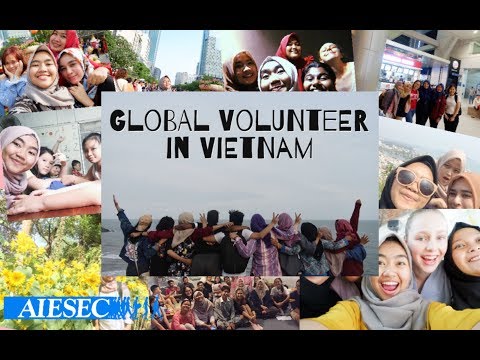
Volunteering abroad as a young person is one of the most transformative experiences you can have, and few organizations have mastered it quite like AIESEC. Founded in 1948, AIESEC is the world’s largest youth-led nonprofit, operating in more than 100 countries and territories, and its Global Volunteer program has placed hundreds of thousands of young people into cross-cultural volunteer projects aligned with the United Nations Sustainable Development Goals (SDGs). If you have been searching for the best AIESEC global youth volunteer programs, this guide breaks down the top project types, the most reliable destinations, realistic costs, eligibility rules, and insider tips so you can choose the experience that genuinely fits your goals—whether you are a first-time traveler or a seasoned volunteer looking for your next international chapter.
What Is the AIESEC Global Volunteer Program?
The AIESEC Global Volunteer program is a short-term international volunteering initiative designed for people aged 18 to 30. Unlike traditional voluntourism, every project is structured around a specific SDG, such as quality education, climate action, gender equality, or reduced inequalities. Projects typically run for 6 to 8 weeks, and participants—called Exchange Participants (EPs)—live with host families or in shared accommodation while working with local NGOs, schools, and community organizations.
What makes the program stand out is its youth-to-youth model. AIESEC members, most of whom are university students themselves, handle the matching, cultural preparation, and in-country support. This creates a peer-driven experience that feels far less corporate than many commercial volunteer abroad companies, while still offering structured logistics like airport pickup, housing arrangements, and cultural integration activities.
Why AIESEC Ranks Among the Best Youth Volunteer Organizations Worldwide
Before diving into specific programs, it helps to understand why AIESEC consistently appears on lists of top international volunteering opportunities for students and young professionals:
- Global reach with local roots: AIESEC operates through local university committees, so projects are grounded in genuine community needs rather than manufactured placements.
- SDG-aligned projects: Every Global Volunteer experience maps to a UN Sustainable Development Goal, which adds credibility and purpose to your contribution.
- Affordability: There is no large program fee in most countries; volunteers usually cover flights, visa, insurance, and sometimes a small administrative or logistics fee.
- Leadership development: AIESEC frames every project as a leadership journey, complete with reflection sessions, goal-setting, and a “learning space” designed to build self-awareness and global mindset.
- Certification: Upon completion, you receive an official AIESEC experience certificate and access to a global alumni network spanning decades.
The Best AIESEC Global Youth Volunteer Programs by Theme
AIESEC does not market fixed “packages”—instead, its platform lists hundreds of live projects across themes. Based on participant reviews, project quality, and long-term impact, these are the strongest categories to consider.
1. Quality Education and Teaching Programs (SDG 4)
Education projects are the most popular and consistently well-run AIESEC volunteer experiences. Volunteers teach English, basic computer literacy, or creative subjects in schools, orphanages, and community centers. Countries like Indonesia, Vietnam, Egypt, India, and Poland run particularly mature education projects with established curricula and strong local support teams. If you want visible, daily impact and plenty of interaction with children and teens, this is the category to prioritize.
2. Climate Action and Environmental Conservation (SDG 13)
Environmental projects range from beach clean-ups and reforestation in Indonesia and the Philippines to sustainability awareness campaigns in Turkey and Colombia. These projects suit volunteers interested in environmental science, conservation, or activism. Expect hands-on fieldwork, community workshops, and collaboration with local environmental NGOs.
3. Health Awareness and Well-Being Projects (SDG 3)
These programs focus on public health education—hygiene campaigns, mental health awareness, nutrition workshops, and sports-based youth development. They are ideal for pre-med, nursing, psychology, or public health students who want grassroots exposure without needing clinical certifications. Egypt, India, and Ukraine have historically hosted strong health-focused projects.
4. Gender Equality and Women’s Empowerment (SDG 5)
Women’s empowerment projects involve skills training, entrepreneurship mentoring, and awareness workshops for women and girls in underserved communities. India, Morocco, and Egypt frequently list high-impact initiatives here. These placements demand emotional maturity and cultural sensitivity, making them better suited to volunteers with some prior community work experience.
5. Reduced Inequalities and Community Development (SDG 10)
These projects support refugees, rural communities, and people with disabilities through inclusive education, vocational training, and social integration activities. Programs in Turkey, Poland, and Colombia—often centered on refugee support—are among the most meaningful and challenging placements in the entire AIESEC portfolio.
6. Cultural Exchange and Heritage Preservation
Some of the most enjoyable AIESEC programs blend volunteering with cultural immersion: teaching through storytelling, organizing cultural festivals, and promoting local heritage. Taiwan, Japan, and Romania offer standout cultural projects where the exchange itself is the core mission.
Top Destinations for AIESEC Global Volunteer Projects: A Comparison
Destination choice dramatically shapes your experience. Here is a comparison of the most reliable and popular countries for AIESEC volunteering:
| Destination | Strongest Project Themes | Typical Cost of Living | Best For |
| Egypt | Education, health awareness, women’s empowerment | Low | Budget travelers, first-timers |
| Indonesia | Education, climate action, community development | Low | Environmental and teaching enthusiasts |
| India | Women’s empowerment, education, health | Very low | Deep community immersion |
| Turkey | Refugee support, cultural exchange, environment | Moderate | Meaningful social impact work |
| Poland | Education, cultural heritage, inclusion | Moderate | European cultural experience |
| Colombia | Sustainability, education, youth development | Moderate | Spanish learners, Latin America exposure |
| Taiwan | Cultural exchange, education, technology | Moderate to high | Safe, organized first international trip |
Costs, Duration, and What Is Actually Included

One of the most common questions young people ask is whether AIESEC volunteering is free. The honest answer: the program itself carries no large participation fee in most countries, but you remain responsible for personal expenses. Here is a realistic breakdown:
- Flights: The largest cost, typically $300–$900 depending on distance and season.
- Visa fees: Varies by nationality and destination; some host countries provide invitation letters to simplify the process.
- Accommodation and meals: Many projects provide free or subsidized housing (host families or volunteer apartments); food is sometimes included, sometimes not.
- Administrative/registration fee: Some AIESEC member countries charge a modest fee (often $30–$150) to cover logistics and screening.
- Travel insurance: Mandatory, and arranged by you.

Project duration ranges from 6 weeks (minimum) to 8 weeks (maximum) for the standard Global Volunteer track. Shorter “pop-up” projects occasionally appear, but the classic six-to-eight-week window is where you will find the best-structured opportunities.
Who Can Apply? Eligibility and Requirements
AIESEC keeps eligibility deliberately simple to maximize youth access:
- Age 18–30 at the time of the exchange.
- Functional English—fluency is not required, but you must communicate with your host committee and workplace.
- Enrollment or recent graduation is common but not strictly required in all member countries.
- Availability for the full project duration—dropping out early damages host community trust.
- Openness to cultural adjustment—AIESEC screens for adaptability during interviews.
No specific degree, teaching certificate, or volunteer history is required for most projects, which is exactly why the program is a favorite among university students seeking their first international experience.
Step-by-Step: How to Apply for an AIESEC Global Volunteer Program
- Create an account on aiesec.org and select the Global Volunteer product.
- Complete your profile with your skills, availability, and preferred regions.
- Search live opportunities using filters like SDG theme, country, and start date.
- Apply to specific projects and prepare for an interview with the hosting AIESEC committee.
- Sign the agreement and pay any applicable fee, then begin visa and travel preparations.
- Attend preparation seminars covering cultural shock, safety, and project expectations.
- Travel, volunteer, and complete your Outgoing Preparation—then receive your certificate and join the alumni network.
The entire process typically takes 2 to 8 weeks from application to acceptance, so apply at least three months before your intended departure date.
Expert Tips to Get the Most Out of Your AIESEC Volunteer Experience
- Choose the project, not just the country. A mediocre project in a dream destination will disappoint you faster than a great project in a place you had never considered.
- Read recent EP reviews and ask the host committee for contact details of past volunteers before accepting an offer.
- Prepare culturally: Learn basic local phrases, dress norms, and food customs. This single effort transforms how communities receive you.
- Set personal learning goals using AIESEC’s leadership framework—self-awareness, empowering others, world citizenship, and solution orientation.
- Document your impact: Photos, reflections, and measurable outcomes (students taught, trees planted, workshops delivered) make the experience powerful for future employers and scholarship applications.
- Stay flexible: Projects in developing regions sometimes shift schedules. The volunteers who thrive are the ones who adapt gracefully.
Frequently Asked Questions About AIESEC Global Volunteer Programs
How much does an AIESEC Global Volunteer program cost in total?
Total out-of-pocket costs usually range from $700 to $2,000 depending on your home country, destination, and flight prices. AIESEC itself charges little to no program fee in most member countries; your budget should focus on flights, visa, insurance, personal spending, and occasionally a small administrative fee charged by the local entity.
Is AIESEC Global Volunteer good for first-time international travelers?
Yes—arguably it is one of the best choices for beginners. Because peer volunteers and local AIESEC members support you at every stage, from airport pickup to weekly check-ins, the program offers a safety net that independent volunteering lacks. Destinations like Taiwan, Poland, and Egypt are particularly beginner-friendly due to well-established host committees.

Can I choose the exact country and project I want in AIESEC?
You can express preferences and apply directly to specific listed projects, but acceptance depends on host committee selection. Applying to 3–5 projects across similar themes increases your odds dramatically. Flexibility with destination, especially toward high-supply countries like Egypt, Indonesia, and India, significantly speeds up matching.
Do I need teaching experience for AIESEC education volunteer projects abroad?
No formal teaching experience or certificate is required for most education projects. Host organizations provide orientation and lesson frameworks, and your role emphasizes conversational practice, creativity, and enthusiasm. That said, any prior tutoring, coaching, or mentoring experience will help you stand out during the interview stage.
Is AIESEC volunteering safe for young women traveling alone?
AIESEC provides structured support including vetted accommodation, local emergency contacts, and cultural preparation, and millions of young women have completed the program safely. Still, standard precautions apply: research your destination, share your itinerary with family, follow host committee guidance, and choose countries with strong AIESEC infrastructure if safety is your top concern.
How long does the AIESEC application and matching process take?
From signing up on aiesec.org to receiving a project acceptance, expect two to eight weeks. Adding visa processing and flight booking, you should begin the journey at least 10–12 weeks before your preferred start date, and earlier for destinations requiring lengthy visa procedures.
Final Thoughts: Choosing the Right AIESEC Program for You
The best AIESEC global youth volunteer programs are not defined by a single country or project title—they are defined by the alignment between a community’s real needs and your genuine willingness to serve. Whether you choose to teach English in a bustling Indonesian classroom, support refugee integration in Turkey, or run sustainability workshops in Colombia, the six-to-eight-week journey will reshape how you see leadership, culture, and your own capabilities. Start early, apply broadly, prepare honestly, and commit fully. The Sustainable Development Goals may be global, but the impact—and the growth—is deeply personal, and AIESEC remains one of the most accessible, credible, and life-changing gateways into international youth volunteering today.