Table of Contents

Picture yourself kneeling in a trench at sunrise, brushing centuries of soil away from a Roman mosaic or a Bronze Age pottery shard. For thousands of travelers each year, that dream becomes reality through volunteer archaeology programs overseas. But before you grab a trowel and book a flight, you need to understand one crucial topic: archaeology dig abroad volunteer requirements and age. The rules are more flexible than most people assume, yet they vary significantly between programs, countries, and excavation types. This guide breaks down every requirement you are likely to encounter, from minimum age policies and fitness expectations to visas, insurance, and costs, so you can choose the right excavation project with confidence.
What Are the Basic Requirements to Volunteer on an Archaeological Dig Abroad?
The good news first: you do not need an archaeology degree, a university enrollment status, or years of excavation experience to join most international digs. Organizations like the Archaeological Institute of America (AIA) maintain fieldwork bulletins specifically designed to connect enthusiastic amateurs with professional excavations. Directors consistently say that motivation, reliability, and a willingness to learn matter more than credentials.
That said, nearly every reputable program will expect you to meet a baseline set of requirements:
- Minimum age compliance – most digs require volunteers to be at least 18 years old.
- Reasonable physical fitness – excavation involves kneeling, bending, shoveling, and carrying buckets for hours.
- Up-to-date health protections – a current tetanus vaccination is almost universally required.
- Valid travel documents – a passport with at least six months of validity and, in some countries, a volunteer or cultural visa.
- Travel medical insurance – many field schools and NGOs make coverage mandatory.
- Signed liability waiver – standard for heritage organizations and universities alike.
- Commitment to the full session – most projects run in one, two, or four-week blocks and expect attendance for the entire period.
Do You Need Prior Archaeology Experience?
For the majority of volunteer positions, no prior experience is required. On-site training covers the essentials: how to excavate in stratigraphic layers, record finds on context sheets, use a total station, and handle artifacts correctly. However, certain skills genuinely boost your application. If you can draw, take systematic photographs, process GIS data, or speak the local language, mention it prominently. Volunteer coordinators remember candidates who bring something extra to the team.
Physical Fitness and Health Expectations
Archaeological fieldwork is genuinely demanding. You may kneel for six to eight hours daily in heat, dust, or mud. Some projects, like underwater or cave excavations, require swimming ability or caving certifications. Before applying, honestly assess your capacity for:
- Repeated bending, squatting, and kneeling on uneven ground
- Lifting 10–15 kg (22–33 lbs) buckets of soil or equipment
- Working outdoors in high temperatures or unpredictable weather
- Walking to remote sites that vehicles cannot reach
Programs rarely demand athletic perfection, but they do expect self-awareness. Many projects now offer lab-based or survey roles for volunteers who prefer lighter physical work, so ask about alternatives during the application process.
Age Requirements: How Old Do You Have to Be to Dig Abroad?

Age is the single most common question prospective volunteers ask, and the answer has layers. The standard minimum for independent volunteering is 18 years old, because programs cannot legally supervise minors overnight or assume guardianship responsibilities. Below that threshold, options still exist, but they come with conditions.
Programs for Teenagers (Ages 14–17)
A growing number of organizations run teen-specific field programs with enhanced supervision, staff-to-student ratios, and structured curricula. Programs such as those offered by Projects Abroad, some university-run summer field schools, and specialized youth heritage camps accept participants as young as 14 or 16, often requiring parental consent forms and sometimes parental accompaniment. These teen programs typically cost more because supervision is resource-intensive, but they deliver exceptional educational value for students considering archaeology careers.
Family and Parent-Child Digs
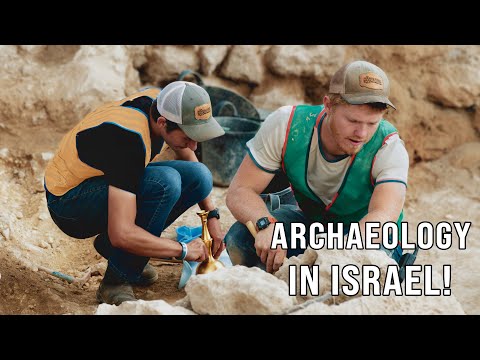
Some excavations, particularly community archaeology projects in the UK, Israel, and parts of Europe, welcome families with children as young as 10 or 12, provided a parent participates alongside them. These sessions usually involve lighter tasks like finds washing, sieving, and surface surveying rather than deep excavation.
Is There an Upper Age Limit?
Officially, no. Archaeology is one of the most age-inclusive volunteer sectors in existence. Retirees in their 60s and 70s regularly join digs worldwide, and program directors frequently praise older volunteers for their discipline, patience, and meticulous recording skills. The only real constraint is physical capability, not birthdate. If you can safely handle the workload, your application is welcome.
| Program Type | Typical Minimum Age | Supervision Level | Best For |
| Independent volunteer dig | 18+ | Standard field supervision | Adults, students, career changers |
| University field school | 18+ (some accept 17 with consent) | Academic instruction | Students seeking credit |
| Teen archaeology program | 14–16 | Intensive, chaperoned | High school students |
| Family excavation project | 10–12 with parent | Parent-participatory | Families traveling together |
| Senior-friendly or lab-based roles | No upper limit | Adjusted workload | Older adults, limited-mobility volunteers |
Field Schools vs. Volunteer Digs: Which Path Fits You?
Understanding the distinction between these two formats prevents costly mistakes. A field school is an accredited training course, usually affiliated with a university, where you pay tuition and receive formal instruction and sometimes academic credit. A volunteer dig is a participation arrangement where you support a professional excavation, often covering your own room and board through a program fee.
Choose a field school if you want structured teaching, a verified certificate, or university credit. Choose a volunteer program if you already have some comfort with hands-on learning, want more flexibility in dates, or prefer shorter commitments. Both routes satisfy the curiosity of first-timers, but field schools generally cost more, frequently between $2,000 and $5,000 for a multi-week session, while volunteer fees commonly range from $500 to $2,500 depending on location and inclusions.
Documentation, Visas, and Insurance Requirements
Bureaucratic preparation trips up more volunteers than physical fitness ever does. Before departure, confirm the following:
- Passport validity – many countries require at least six months of validity beyond your arrival date.
- Visa category – short volunteer stays often fall under tourist entry rules in countries like Greece, Jordan, and Peru, but others, including parts of Southeast Asia and Africa, require dedicated volunteer or work-camp visas. Always verify with the program organizer and the destination embassy.
- Proof of insurance – obtain travel medical coverage that includes emergency evacuation; excavation sites are frequently far from hospitals.
- Vaccination records – beyond tetanus, check destination-specific recommendations such as hepatitis A or typhoid.
- Background checks – any program involving minors or community schools, common in Latin American heritage projects, may require police clearance certificates.
How Much Does It Cost to Volunteer on an Archaeological Dig Abroad?
Costs vary enormously by region and program structure. Excavations in the Mediterranean and Near East often charge $1,000–$3,000 for a session that includes housing, meals, and training. Community-based projects in the UK sometimes charge modest weekly fees of £150–£400. Third-party facilitators like Earthwatch, GoEco, and Projects Abroad bundle accommodation, food, insurance, and support into higher fees, often $2,000–$4,000, but they also handle logistics that independent digs leave to you. Remember to budget separately for flights, visas, personal gear, and weekend travel.
How to Choose and Apply for the Right Program: A Step-by-Step Approach
- Define your interests – prehistoric, classical, biblical, maritime, or industrial archaeology each offer distinct experiences.
- Set your budget and dates – most digs run May through September in the Northern Hemisphere.
- Browse reputable directories – the AIA Fieldwork Opportunities Bulletin, university anthropology department listings, and established volunteer platforms are reliable starting points.
- Contact the director directly – a short, sincere email explaining your background and asking questions signals genuine commitment.
- Verify supervision and ethics – legitimate projects employ professional archaeologists, follow local heritage laws, and publish clear safety protocols.
- Apply early – popular field schools fill by early spring, sometimes requiring two references and a brief statement of interest.
Expert Tips for First-Time Archaeology Volunteers

- Pack for the trench, not the resort – bring broken-in boots, knee pads, work gloves, a wide-brimmed hat, and clothing you do not mind ruining.
- Ask about daily schedules – many digs start at 5 or 6 a.m. to avoid midday heat; knowing this prevents brutal first-week fatigue.
- Learn basic recording concepts beforehand – a weekend spent reading about stratigraphy and context recording pays off enormously on day one.
- Respect the artifact chain of custody – never pocket finds, photograph sensitive contexts without permission, or post site locations publicly online.
- Build relationships – many professional archaeologists began as volunteers; the person supervising your unit may one day write your reference letter.
Conclusion: Your Age Is Rarely a Barrier to Digging Into the Past
The requirements for volunteering on an archaeological dig abroad are refreshingly accessible: be at least 18 for independent programs (or 14–16 through supervised teen tracks), maintain basic fitness, secure valid travel documents and insurance, and bring genuine enthusiasm. There is no upper age ceiling, no degree requirement, and no secret handshake. Whether you are a high school student dreaming of your first excavation, a professional seeking a meaningful sabbatical, or a retiree pursuing a lifelong passion, a project somewhere in the world is waiting for your hands. Research thoroughly, apply early, prepare physically, and you will soon trade your desk chair for a bucket line, uncovering history one context at a time.
Frequently Asked Questions
What is the minimum age to volunteer on an archaeological dig abroad?
Most independent programs require volunteers to be 18 or older. However, supervised teen programs accept participants from 14–16 with parental consent, and family-oriented community excavations sometimes welcome children as young as 10 when accompanied by a participating parent or guardian.
Can I join an archaeology dig abroad without a degree or experience?
Yes. The majority of volunteer digs require no prior education or excavation experience. On-site training covers basic techniques like troweling, sieving, and finds processing, though bringing skills such as drawing, photography, or GIS mapping strengthens your application.
Are archaeological dig volunteer programs suitable for seniors over 60?
Absolutely. There is no upper age limit on most excavations, and older volunteers are valued for their reliability and attention to detail. Seniors should assess physical demands honestly and can request lighter roles such as finds washing, cataloging, or survey work when available.
How much does it cost to volunteer on an archaeological excavation overseas?
Expect program fees between $500 and $3,000 for a typical one-to-four-week session, covering accommodation, meals, and training. Add flights ($300–$1,200), visa costs, insurance, and personal equipment. University field schools with academic credit can exceed $5,000.
Do I need a special visa to volunteer on a dig abroad?
It depends on the destination and duration. Many countries, including Greece, Italy, and Peru, permit short volunteer stints under standard tourist entry, while others require a dedicated volunteer visa. Always confirm requirements with the program organizer and the destination’s embassy before booking travel.
What physical requirements should I meet before applying to a dig?
You should be comfortable kneeling, bending, and lifting around 10–15 kg repeatedly, and tolerate extended outdoor work in heat or sun. A current tetanus vaccination is mandatory on nearly all sites, and comprehensive travel medical insurance with evacuation coverage is strongly recommended.