Table of Contents

Individuals who dedicate their time and effort to the Contra Costa County Food Bank play a crucial role in its operation. These unpaid workers assist in various tasks, including sorting and packing food donations, distributing food to those in need, and providing administrative support. For example, an individual may spend several hours each week sorting canned goods or assisting at a mobile food pantry.
The involvement of these community members is essential for the Food Bank’s ability to serve a large population facing food insecurity. Their contributions significantly reduce operational costs, allowing the organization to allocate more resources to acquiring and distributing food. Furthermore, their engagement fosters a sense of community and promotes awareness of hunger issues within the county. The history of the Food Bank is intertwined with the dedication of countless individuals who have generously offered their assistance over the years.
The following sections will detail the specific activities undertaken by individuals supporting the Food Bank, the requirements for participation, and the impact these contributions have on the wider community. Further discussion will address frequently asked questions and provide resources for those interested in becoming involved.
Essential Guidance for Food Bank Support
The following guidance aims to assist those contributing their time to the Contra Costa County Food Bank, ensuring effectiveness and safety during their service.
Tip 1: Adhere to Scheduled Commitments. Reliability is crucial. Unfulfilled commitments impact the Food Bank’s ability to distribute food efficiently. Notify the volunteer coordinator well in advance if unable to attend a scheduled shift.
Tip 2: Prioritize Food Safety Protocols. Meticulously follow all guidelines regarding food handling, storage, and preparation. Wash hands thoroughly before and after handling food items. Discard any items exhibiting signs of spoilage.
Tip 3: Dress Appropriately for the Work Environment. Wear comfortable, closed-toe shoes and clothing suitable for physical activity. Consider wearing layers, as warehouse temperatures can fluctuate. Adhere to any specific dress code requirements outlined by the Food Bank.
Tip 4: Maintain a Positive and Professional Demeanor. Interactions with colleagues, staff, and recipients should be respectful and courteous. Remember that recipients may be experiencing difficult circumstances, and empathy is essential.
Tip 5: Communicate Effectively with Staff. Ask questions when unsure about procedures or tasks. Report any safety concerns or issues encountered during a shift promptly to a supervisor.
Tip 6: Respect Confidentiality. Do not disclose any personal information about recipients or other colleagues. Maintain the privacy and dignity of all individuals involved with the Food Bank.
Tip 7: Stay Informed about Food Bank Policies. Regularly review updates and announcements from the Food Bank regarding procedures, safety protocols, and upcoming events. Attend any required training sessions to stay current on best practices.
Adherence to these guidelines enhances the effectiveness and impact of each contribution, promoting a safe and supportive environment for all. Consistent application of these principles ensures the Food Bank can better serve the community.
The subsequent section will address the long-term impact of sustained support and highlight the ways these efforts contribute to alleviating food insecurity in Contra Costa County.
1. Community Involvement

Community involvement forms the bedrock of the Contra Costa County Food Bank’s volunteer program. The success of the organization is directly proportional to the active participation of residents who dedicate their time and skills. Without a robust base of local supporters, the Food Bank would struggle to meet the escalating demands of food insecurity within the county. The engagement is not merely a matter of resource supplementation; it represents a fundamental connection between those who have resources and those who need them.
Effective community involvement manifests in numerous ways. Local businesses sponsor food drives, schools organize collection campaigns, and faith-based organizations mobilize their congregations to provide assistance. These actions highlight the diverse channels through which residents contribute. For example, a local grocery store might partner with the Food Bank to donate surplus produce, while a senior center could organize packing events where members prepare food boxes for distribution. These targeted initiatives demonstrate the practical application of community spirit in addressing a tangible need.
Sustaining a high level of community involvement requires continuous effort and strategic outreach. The Food Bank invests in raising awareness about the scope of food insecurity and the impact of assistance. It cultivates relationships with local leaders and organizations, fostering a collaborative environment. Furthermore, it provides training and resources to ensure individuals contribute meaningfully and safely. In essence, community involvement is not just a supplementary resource, but an essential component of the Food Bank’s overall strategy to combat hunger, embodying the collective responsibility of residents in creating a more equitable community.
2. Food Sorting

Food sorting constitutes a crucial operational component of the Contra Costa County Food Bank, directly impacting its ability to efficiently distribute safe and usable food to individuals facing food insecurity. Individuals participating in sorting activities ensure that the food provided meets quality standards and is appropriately categorized for distribution.
- Inspection for Safety and Quality
Volunteers meticulously inspect donated food items for signs of spoilage, damage, or expiration. This process prevents the distribution of unsafe food, protecting the health of recipients. For example, volunteers discard dented cans, packages with broken seals, or produce exhibiting mold growth. Strict adherence to safety guidelines is paramount during this phase.
- Categorization and Organization
After inspection, food items are categorized based on type (canned goods, produce, dry goods, etc.) and organized accordingly. This system facilitates efficient storage and distribution, allowing the Food Bank to quickly locate and allocate resources based on demand. For instance, volunteers may separate canned vegetables from canned fruits and organize them on designated shelves.
- Repackaging and Labeling
Some bulk donations require repackaging into smaller, more manageable portions for individual recipients or families. Volunteers assist in repackaging these items and ensuring accurate labeling with essential information, such as the product name, ingredients, and expiration date. This is especially important for items like rice, beans, or pasta that are received in large quantities.
- Adherence to Food Bank Guidelines
Volunteers receive training on specific food handling and sorting procedures established by the Food Bank. This ensures consistency and compliance with safety regulations. Volunteers learn about proper hygiene practices, temperature control, and waste disposal procedures. Following these guidelines minimizes the risk of contamination and ensures the integrity of the food supply.
The dedication to these facets demonstrates the crucial role individuals play in the effective functioning of the Contra Costa County Food Bank. Through meticulous inspection, categorization, and adherence to established guidelines, individuals significantly contribute to the provision of safe, nutritious food to those in need, solidifying the Food Bank’s ability to address food insecurity within the community.
3. Distribution Assistance

Distribution assistance constitutes a vital function within the Contra Costa County Food Bank’s operations, representing the final and crucial step in delivering food to individuals and families facing food insecurity. This activity is heavily reliant on the dedication and efforts of individuals.
- Mobile Food Pantry Support
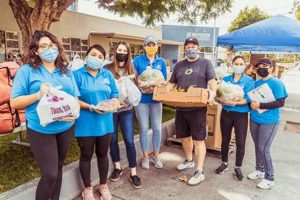
Mobile food pantries extend the reach of the Food Bank into underserved communities. Individuals directly assist in setting up distribution sites, unloading food deliveries, and interacting with recipients. For instance, individuals may help organize food items on tables, guide recipients through the distribution process, and provide information about other available resources. This hands-on approach ensures efficient and equitable access to food in areas with limited resources.
- Warehouse Packaging and Loading
Before distribution, food items are often packaged into family-sized boxes or bags at the Food Bank’s warehouse. Individuals contribute by assembling these packages, ensuring each contains a variety of nutritious items. Subsequently, they assist in loading the packaged food onto trucks for transport to distribution sites. This labor-intensive task ensures that food is prepared and ready for delivery to those in need.
- Direct Delivery to Homebound Individuals
For individuals with mobility limitations or other challenges, the Food Bank offers direct delivery services. Individuals may volunteer to deliver food boxes directly to the homes of these recipients, ensuring that even those unable to visit distribution sites receive essential sustenance. This personalized service addresses the unique needs of vulnerable populations within Contra Costa County.
- Information and Resource Provision
Distribution assistance extends beyond simply handing out food. Individuals provide information to recipients about other available resources, such as CalFresh enrollment, job training programs, and healthcare services. This holistic approach addresses the root causes of food insecurity and empowers individuals to improve their overall well-being. Individuals act as a bridge, connecting recipients with the support they need to achieve long-term stability.
These multifaceted contributions are crucial to the success of the Contra Costa County Food Bank. Individuals provide the manpower and personal connection necessary to ensure food reaches those who need it most, addressing immediate hunger needs while also promoting long-term self-sufficiency.
4. Administrative Support

Administrative support constitutes a critical, often unseen, element of the Contra Costa County Food Bank’s operational framework. The efficiency and effectiveness of the Food Banks mission hinge upon the robust infrastructure provided by administrative personnel, many of whom are individuals who dedicate their time.
- Data Entry and Management
Individuals engaged in administrative support often assist with data entry tasks, meticulously recording information about donations, recipients, and activities. This data forms the basis for tracking inventory, measuring program impact, and reporting to stakeholders. For example, individuals might enter details of incoming food donations into a database or update recipient information in a client management system. Accurate data management is essential for informed decision-making and resource allocation.
- Communications and Outreach
Supporting communication efforts is another key role. Individuals may assist with preparing newsletters, managing social media accounts, responding to inquiries, and creating outreach materials to promote the Food Bank’s services and initiatives. For example, an individual might design flyers for an upcoming food drive or draft email communications to supporters. These activities help to raise awareness and engage the community.
- Grant Writing and Reporting Assistance
Securing funding is vital for the Food Bank’s sustainability, and individuals contribute by assisting with grant writing and reporting activities. Tasks may include researching funding opportunities, compiling data for grant applications, and preparing reports for funders. For instance, an individual might gather statistics on food distribution to include in a grant proposal. These efforts directly support the Food Bank’s ability to acquire resources and expand its services.
- Clerical and Organizational Tasks
Individuals frequently handle a range of general clerical and organizational tasks that maintain the smooth operation of the Food Bank. This can involve answering phones, managing correspondence, filing documents, and maintaining office supplies. For example, an individual might organize the Food Bank’s filing system or assist with scheduling meetings. These seemingly small tasks collectively contribute to a well-functioning and efficient administrative environment.
In summary, administrative support, often provided by dedicated individuals, underpins every aspect of the Contra Costa County Food Bank’s operations. From data management to grant writing, these contributions ensure the organization can effectively serve the community and combat food insecurity. The dedication in these roles allows the Food Bank to focus its resources on its core mission: providing food to those in need.
5. Impact Measurement

The quantifiable impact of the Contra Costa County Food Bank is inextricably linked to the contributions of individuals. Measurement of this impact is essential for demonstrating the value and effectiveness of the organization’s programs, and the data derived from this process informs strategic decisions regarding resource allocation and program development. Individuals, through their participation in various roles, directly influence the data collected and the subsequent analysis of its impact. For example, the hours dedicated by individuals sorting and packing food translate directly into the number of families served. Similarly, individual efforts in data entry and administrative tasks ensure accurate tracking of donations and distributions, enabling a comprehensive understanding of the Food Bank’s reach and effectiveness. Without the active involvement of individuals, the Food Bank would lack the manpower necessary to collect and analyze the data required for meaningful impact assessment.
Consider the scenario of a mobile food pantry staffed largely by dedicated residents. By meticulously recording the number of individuals served, the types of food distributed, and any additional support services provided (e.g., information on CalFresh applications), the Food Bank can demonstrate the specific impact of this particular program in addressing food insecurity within a designated community. This data, collected at the point of service by these individuals, provides valuable insights into the needs of the community and informs decisions regarding the frequency and location of future mobile pantry events. Furthermore, feedback gathered from recipients, often facilitated by individual interactions, provides qualitative data that complements the quantitative metrics, offering a more holistic understanding of the program’s impact. This combined data can then be used to advocate for increased funding or to refine the program model for greater effectiveness.
In conclusion, impact measurement is not merely an abstract exercise; it is a concrete process that relies heavily on the contributions of individuals at all levels of the Contra Costa County Food Bank. The accuracy and comprehensiveness of impact data are directly proportional to the engagement and dedication of these individuals. While challenges exist in standardizing data collection methods and ensuring data integrity, the commitment to rigorous impact measurement is crucial for demonstrating the Food Bank’s value to the community, securing ongoing funding, and ultimately, achieving its mission of alleviating food insecurity. This data also informs the strategic direction of the organization, allowing for continuous improvement and a more targeted approach to addressing the needs of vulnerable populations.
Frequently Asked Questions Regarding Individuals Supporting the Contra Costa County Food Bank
The following section addresses common inquiries concerning participation at the Contra Costa County Food Bank, providing clarity on expectations, requirements, and the overall process.
Question 1: What are the minimum age requirements for individuals supporting the Food Bank?
The minimum age for individuals supporting the Food Bank independently is typically 16 years old. Individuals younger than 16 may participate with adult supervision, depending on the specific tasks involved. Specific age restrictions may vary by location and activity; therefore, contacting the Volunteer Coordinator for clarification is advisable.
Question 2: What level of time commitment is expected from individuals offering their assistance?
The time commitment for individuals is flexible and depends on their availability and the Food Bank’s needs. Shifts can range from a few hours to a full day, and the frequency of participation is determined on an individual basis. While regular, consistent support is greatly valued, the Food Bank accommodates individuals with varying schedules.
Question 3: Is prior experience required to support the Food Bank?
No prior experience is generally required. The Food Bank provides on-the-job training for most tasks. However, certain roles, such as those involving data entry or administrative tasks, may benefit from basic computer skills. A willingness to learn and a positive attitude are the most important qualifications.
Question 4: Are background checks required for individuals at the Food Bank?
Background checks are typically required for individuals working directly with vulnerable populations, such as children or seniors, or those in positions of significant trust. The Volunteer Coordinator will inform applicants if a background check is necessary and will provide instructions on how to complete the process.
Question 5: What safety measures are in place to protect individuals at the Food Bank?
The Food Bank prioritizes the safety of all individuals. Comprehensive safety protocols are in place, including training on proper lifting techniques, food handling procedures, and emergency procedures. The Food Bank also provides necessary personal protective equipment, such as gloves and masks. Adherence to safety guidelines is strictly enforced.
Question 6: How does the Food Bank recognize and appreciate the contributions of individuals offering their assistance?
The Food Bank recognizes that those offering their assistance are integral to its mission. Recognition may include certificates of appreciation, newsletters highlighting individual contributions, and invitations to special events. The most significant form of appreciation, however, is the knowledge that their efforts are directly impacting the lives of individuals and families facing food insecurity.
Understanding these fundamental aspects of participation ensures a more seamless and impactful experience. Prospective contributors are encouraged to contact the Contra Costa County Food Bank directly for further clarification or to express their interest in joining the team.
The following section will provide resources for those interested in joining the team.
Conclusion
This exploration has demonstrated the multifaceted significance of the Contra Costa County Food Bank volunteer. From direct engagement in food sorting and distribution to essential administrative support and impact measurement, their contributions form the backbone of the organization’s capacity to address food insecurity within the county. The preceding sections have outlined the specific activities undertaken by these individuals, the guidelines they adhere to, and the profound impact their efforts have on the lives of vulnerable populations.
The ongoing commitment of individuals dedicated to the Contra Costa County Food Bank is critical to ensuring the sustained provision of food assistance to those in need. As the challenges of food insecurity persist, the value of their contributions cannot be overstated. Their dedication not only alleviates immediate hunger but also strengthens the fabric of the community, fostering a sense of collective responsibility for the well-being of all its members. Continued support and engagement are essential to building a more food-secure future for Contra Costa County.