Table of Contents

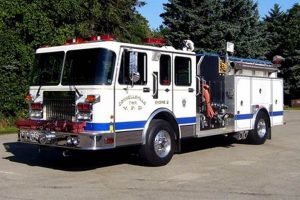
An organization provides essential fire suppression and emergency response services within a specific geographical area, relying primarily on unpaid personnel. These individuals dedicate their time and skills to protecting lives and property from the dangers of fire, medical emergencies, and other hazardous situations. The structure generally consists of trained members who respond to calls for assistance, operating under a defined chain of command.
The existence of such entities allows communities, particularly those in rural or underserved areas, to maintain a critical safety net. They offer cost-effective protection compared to fully-funded, career-staffed departments. These organizations often represent a strong sense of community and civic duty, playing a vital role in local emergency preparedness and response capabilities. Historically, they represent the core values of volunteerism and community support.
The following sections will detail specific aspects of operational structure, funding mechanisms, training programs, and community engagement strategies typical of such an organization, providing a comprehensive understanding of its functions and contributions.
Operational Guidance
The following points offer advice distilled from the experiences of emergency service organizations. They are intended to enhance operational effectiveness and safety.
Tip 1: Standardize Equipment and Training: Consistent equipment across the organization streamlines training and maintenance, reducing the potential for errors during emergency operations. For example, all personnel should be trained on the same model of self-contained breathing apparatus (SCBA).
Tip 2: Implement a Robust Incident Command System (ICS): A clearly defined ICS ensures coordinated and effective response efforts. Regular drills and simulations should reinforce personnel understanding of ICS roles and responsibilities.
Tip 3: Prioritize Regular Equipment Maintenance: Scheduled maintenance checks for all apparatus and equipment are crucial. This includes inspecting hoses, pumps, and vehicles to prevent failures during critical situations.
Tip 4: Conduct Thorough Post-Incident Analysis: Following each incident, a comprehensive review should identify areas for improvement. This analysis should focus on both positive outcomes and opportunities to enhance response protocols.
Tip 5: Emphasize Continuous Training and Education: Firefighting techniques, medical protocols, and hazardous materials handling procedures evolve. Continuing education ensures personnel remain current with best practices.
Tip 6: Foster Strong Community Relationships: Community outreach programs can significantly improve public awareness of fire safety and emergency preparedness. This includes fire prevention education in schools and public demonstrations.
Tip 7: Maintain Accurate and Up-to-Date Mapping Data: Accurate maps of the service area, including hydrant locations and building layouts, are essential for efficient response. Regularly updating this data ensures its reliability.
Implementing these strategies will significantly enhance the operational capabilities and overall effectiveness of any emergency response organization. The focus should always remain on preparedness, safety, and continuous improvement.
The subsequent section will elaborate on strategies for volunteer recruitment and retention, addressing challenges unique to volunteer-based emergency services.
1. Community Protection

The existence of a volunteer fire service is directly linked to the level of community protection afforded to a given area. In the absence of a fully funded, career-staffed fire department, a volunteer organization often represents the sole provider of fire suppression, emergency medical services, and rescue operations. The geographical area and the number of residents are protected by this particular organization. The presence of the organization correlates directly with reduced property damage, lower insurance rates, and improved overall safety for residents. It fills a crucial void in emergency services coverage, mitigating potential risks and enhancing the quality of life for community members.
For example, consider a rural town with limited tax revenue. Establishing a fully professional fire department might be financially infeasible. In such cases, a volunteer fire department, staffed by local residents, can provide an essential level of protection that would otherwise be unavailable. Regular responses to structure fires, vehicle accidents, and medical emergencies demonstrates the organization’s practical significance. Community Protection is an important element of the operation’s core.
Consequently, maintaining a strong, well-trained, and adequately equipped volunteer fire service is paramount for community safety. Ongoing recruitment efforts, consistent training programs, and community support are essential for ensuring the long-term viability and effectiveness of the organization. Challenges include volunteer burnout, funding constraints, and the increasing demands placed on volunteer emergency responders. Addressing these challenges through strategic planning and community engagement is vital for sustaining the level of protection it provides.
2. Volunteer Recruitment

Volunteer recruitment forms the backbone of operational sustainability. Without a consistent influx of dedicated individuals, the service cannot effectively fulfill its mission of providing fire suppression and emergency response to the community it serves. The success of recruitment efforts directly impacts the organization’s ability to maintain adequate staffing levels, ensuring prompt and efficient response capabilities.
- Community Outreach and Awareness
Raising awareness of the organization’s role and the importance of volunteerism within the community is crucial. Participation in local events, open houses at the fire station, and public service announcements can effectively attract potential recruits. Lack of community awareness directly limits recruitment efforts. For example, sponsoring a booth at the county fair to engage directly with residents.
- Incentive Programs and Benefits
While the primary motivation for volunteerism is often altruistic, offering incentives can enhance recruitment and retention. These incentives can include access to training opportunities, equipment stipends, or recognition programs. Insufficient incentives lead to difficulty in attracting and retaining qualified volunteers. For instance, providing free or discounted EMT certification courses to its members.
- Targeted Recruitment Strategies
Tailoring recruitment strategies to specific demographics within the community can significantly improve success rates. Targeting individuals with relevant skills or experience, such as those in the medical field or construction trades, can yield valuable additions to the team. Ignoring specific skill sets within the community limits the pool of eligible candidates. Creating specific informational campaigns aimed at different segments of the population increases the chances of finding qualified and dedicated members.
- Streamlined Application and Training Process
A clear and efficient application process, coupled with comprehensive and accessible training programs, can make volunteerism more appealing. Lengthy or complicated application procedures and inadequate training can deter potential recruits. Simplifying the application form and providing flexible training schedules can encourage more individuals to join.
These facets of volunteer recruitment highlight the multifaceted approach required to maintain a strong and effective volunteer fire service. Effective recruitment strategies are not static; they require continuous evaluation and adaptation to meet the changing needs and demographics of the community. The long-term viability depends on its ability to attract, train, and retain a dedicated team of volunteer firefighters.
3. Emergency Response

The core function of a volunteer fire department centers on emergency response. The effectiveness in mitigating damage and saving lives during incidents such as structure fires, medical emergencies, and hazardous material spills defines its value to the community. Response time, the level of preparedness, and the coordinated actions of its personnel dictate the outcome of these critical events. Each alarm represents a direct test of its training, equipment, and operational structure.
Effective emergency response relies on several key elements. These include rapid dispatch capabilities, well-maintained and readily available apparatus, adequately trained personnel proficient in firefighting techniques and emergency medical procedures, and a clear command structure during incidents. Consider a scenario involving a residential fire where timely arrival prevents the fire from spreading to neighboring properties. Or imagine a swift extrication of injured individuals from a vehicle accident, enabling paramedics to provide critical medical care. These examples demonstrate the practical impact of a well-prepared and highly responsive volunteer fire department.
Ultimately, the quality of emergency response reflects the overall health of the organization. Challenges, such as limited funding, recruitment difficulties, and the increasing complexity of emergency situations, can significantly impact response capabilities. Continuous training, strategic resource allocation, and strong community support are vital for overcoming these challenges and ensuring that it remains a reliable and effective provider of emergency services. The ability to respond quickly, safely, and effectively to any call for assistance is the paramount measure of its success.
4. Equipment Readiness

Equipment readiness directly impacts operational effectiveness and safety. Properly maintained and functional equipment enables personnel to perform their duties efficiently and minimizes the risk of equipment failure during critical moments. This aspect comprises regular inspection, maintenance, repair, and replacement of all firefighting apparatus, tools, and protective gear. Without a commitment to readiness, response capabilities are severely compromised.
Consider the consequences of a malfunctioning fire hose at the scene of a structure fire. Reduced water pressure or a burst hose could impede suppression efforts and potentially endanger firefighters. Or, picture a self-contained breathing apparatus (SCBA) failing to provide adequate air supply inside a smoke-filled building, placing the firefighter’s life at risk. Therefore, scheduled maintenance checks, proper storage procedures, and ongoing training on equipment usage are critical for its preparedness. Furthermore, understanding the budgetary implications for equipment needs is crucial for strategic planning.
Its effectiveness is inextricably linked to its ability to maintain its equipment. Regular inspections, thorough maintenance programs, and sufficient funding for upgrades are crucial elements. Challenges include budget constraints, limited access to specialized repair services, and the volunteer nature of the organization, which can impact the availability of personnel for maintenance tasks. Overcoming these challenges through proactive planning and strong community support is vital. The community’s safety hinges, in part, on the operational status of the essential tools for emergency services.
5. Training Standards

Rigorous training standards form the bedrock of a volunteer fire department’s operational efficacy and safety. These standards, often based on national certifications and best practices, ensure that personnel possess the necessary skills and knowledge to effectively respond to a wide array of emergency situations. A structured training program instills competence, promotes consistency in operations, and mitigates the risks inherent in firefighting and emergency medical services. The absence of adherence to accepted training standards is a direct cause of increased risk of injury or death for both the responders and the public.
Consider the practical applications of standardized training. For instance, firefighters trained to National Fire Protection Association (NFPA) standards for structural firefighting are equipped with the knowledge and skills to safely enter burning buildings, conduct search and rescue operations, and effectively suppress fires. Similarly, Emergency Medical Technician (EMT) certification ensures that personnel can provide basic life support and stabilize patients at the scene of medical emergencies. Its commitment to maintaining these standards directly enhances the level of service provided to the community. The commitment also improves their ability to integrate with other departments during mutual aid scenarios.
The challenge lies in maintaining these standards within a volunteer context, where personnel have limited time and resources. Overcoming this challenge requires creative solutions, such as online training programs, regional training academies, and partnerships with career fire departments. Ongoing investment in training is not merely an expense; it is a fundamental investment in the safety and well-being of the community. A continued adherence to high training standards directly translates to improved emergency outcomes. Ultimately fostering greater community trust in the department’s capabilities.
Frequently Asked Questions
The following addresses common inquiries regarding operational structure, service provision, and community interaction. The intention is to provide clear, concise answers to promote public understanding.
Question 1: What constitutes the primary service area of this department?
The primary service area encompasses the geographic boundaries defined by the local governing body. Specific details regarding these boundaries are available on the county website or directly through the department’s administrative office. Calls outside the defined area are handled through mutual aid agreements with neighboring departments.
Question 2: How does this department maintain operational funding?
Funding sources consist of a combination of local tax revenue, grants from state and federal agencies, and fundraising activities conducted by the department and affiliated organizations. These funds are allocated to equipment maintenance, training programs, and operational expenses.
Question 3: What type of training is required for volunteer firefighters?
All volunteer firefighters are required to complete mandatory training programs that meet or exceed standards set by the National Fire Protection Association (NFPA) and relevant state agencies. This training includes coursework, practical exercises, and ongoing continuing education.
Question 4: How are emergency calls received and dispatched?
Emergency calls are received through the county’s central dispatch center. Dispatchers then notify the appropriate personnel via pagers and mobile communication devices. This system ensures a rapid and coordinated response to all emergencies.
Question 5: What types of emergencies does the department respond to?
The department responds to a variety of emergencies, including structure fires, vehicle accidents, medical emergencies, hazardous material incidents, and technical rescues. The department is equipped and trained to handle a broad spectrum of incidents.
Question 6: How can members of the community support the department?
Community members can support the department through financial donations, volunteering their time for administrative or fundraising tasks, and participating in fire prevention education programs. Community involvement is vital to the department’s continued success.
The answers provided offer a basic overview of operations and community interaction. For specific inquiries, direct contact with department personnel is encouraged.
The following section will discuss ways that individuals can engage with and contribute to the organization, emphasizing the importance of community involvement.
Conclusion
This exploration has detailed various facets crucial to understanding operations: Community protection, volunteer recruitment, emergency response protocols, equipment readiness, and adherence to stringent training standards. The complex interplay of these factors determines the efficacy in safeguarding lives and property. The community relies heavily on the organization’s readiness and capabilities.
Continued support, both in terms of financial resources and active volunteerism, will ensure the ongoing capacity to serve and protect. The future of effective emergency services hinges on the commitment of individuals and the community working in concert to address the evolving challenges and needs of the region it serves.