Table of Contents

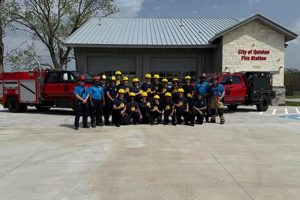
This organization represents a group of dedicated individuals within the Seaford community who provide essential fire suppression, rescue, and emergency medical services on a non-paid basis. These members commit their time and skills to protect lives and property, responding to a variety of incidents including structure fires, vehicle accidents, and medical emergencies. Their service ensures the safety and well-being of residents and businesses within their designated service area.
The existence of such a unit is vital for communities, particularly those where budgetary constraints or population size may not justify a fully paid, professional fire service. The historical context of these organizations often reveals a long tradition of community self-reliance and mutual aid. The contributions of these personnel significantly reduce response times and mitigate the impact of emergencies, leading to reduced property loss and improved survival rates for those in need. Their presence fosters a sense of security and community spirit.
The following sections will delve into the specific operational aspects, training requirements, and community involvement activities characteristic of such a fire service model, further highlighting its crucial role in safeguarding the area it serves. This includes an examination of their equipment, response protocols, and ongoing efforts to recruit and retain volunteers.
Safety Recommendations
Adherence to the following guidelines is critical for minimizing the risk of fire and ensuring personal safety in the event of an emergency.
Tip 1: Smoke Detector Maintenance: Regularly inspect and test smoke detectors. Replace batteries at least annually, or according to manufacturer recommendations. Ensure detectors are installed on every level of the home and outside sleeping areas.
Tip 2: Cooking Safety Practices: Never leave cooking unattended. Keep flammable materials away from stovetops and ovens. In case of a grease fire, do not use water; instead, smother the flames with a lid or baking soda.
Tip 3: Heating Appliance Inspection: Before using heating appliances, such as furnaces or space heaters, have them inspected by a qualified technician. Maintain a safe distance between heating sources and combustible materials.
Tip 4: Electrical Safety Awareness: Avoid overloading electrical outlets and extension cords. Replace damaged cords and wiring promptly. Consult a qualified electrician for any electrical repairs or installations.
Tip 5: Escape Plan Development: Create and practice a home fire escape plan with all household members. Designate a meeting point outside the home and ensure everyone knows the escape routes.
Tip 6: Safe Storage of Flammable Liquids: Store flammable liquids, such as gasoline and propane, in approved containers and in well-ventilated areas away from ignition sources.
Tip 7: Carbon Monoxide Detection: Install carbon monoxide detectors on every level of the home, particularly near sleeping areas. Ensure regular testing and battery replacement.
Implementing these preventative measures significantly reduces the likelihood of fire incidents and enhances the chances of survival in an emergency situation.
By prioritizing these recommendations, residents contribute to a safer community environment. Vigilance and preparedness are essential elements of fire safety.
1. Emergency Response

Emergency response constitutes the fundamental purpose and most visible function of the Seaford Volunteer Fire Department. The effectiveness of its emergency response capabilities directly correlates to the safety and well-being of the community it serves. When an alarm is received, the department’s personnel are activated to address a range of incidents, including structure fires, vehicle accidents with injuries, hazardous material releases, and medical emergencies. The speed and efficiency of this response are critical factors in mitigating damage, rescuing individuals, and preserving life. For instance, a rapid response to a house fire can prevent its escalation, limiting property loss and potentially saving occupants. Similarly, efficient extrication techniques employed at a motor vehicle accident can significantly improve the chances of survival for those trapped within the wreckage.
The department’s ability to provide effective emergency response is contingent upon several factors. These include the availability of trained personnel, the readiness of specialized equipment, and the implementation of well-defined operational protocols. Regular drills and simulations are conducted to maintain proficiency in various emergency scenarios. Furthermore, the department collaborates with other emergency service agencies, such as local police and emergency medical services, to ensure a coordinated and seamless response. This interagency cooperation is essential for handling complex incidents that require a multi-faceted approach. For example, a large-scale hazardous materials incident necessitates close coordination between fire personnel, hazardous materials specialists, and environmental agencies to contain the threat and protect the public.
Ultimately, the emergency response capabilities are the embodiment of the Seaford Volunteer Fire Department’s commitment to serving the community. Despite relying on volunteers, the department maintains a high level of professionalism and dedication to ensuring public safety. Challenges such as volunteer recruitment and retention, funding limitations, and the increasing complexity of emergency situations require ongoing attention and proactive strategies. However, the unwavering commitment of the volunteer firefighters remains a cornerstone of the community’s resilience and security.
2. Community Service

The commitment to community service extends beyond emergency response, forming an integral part of the Seaford Volunteer Fire Departments function. The department actively engages in initiatives that promote fire safety awareness, provide educational resources, and foster positive relationships with local residents. This proactive involvement strengthens the bond between the department and the community, fostering trust and mutual respect. A direct result of this engagement is heightened community preparedness, leading to a reduction in preventable emergencies. For example, conducting fire safety demonstrations at local schools equips children with the knowledge to recognize and respond to fire hazards, consequently reducing the likelihood of fire-related incidents in their homes. Similarly, offering CPR training to community members empowers them to provide immediate medical assistance in critical situations, potentially saving lives before emergency responders arrive.
The department’s engagement in community events, such as parades, festivals, and charity fundraisers, further demonstrates its commitment to serving the wider needs of the community. Participating in these events provides an opportunity to interact with residents in a non-emergency setting, building rapport and promoting a sense of shared responsibility for community well-being. In addition, the department’s involvement in community service projects, such as providing assistance to elderly or disabled residents, reinforces its role as a caring and supportive organization. These actions contribute to a positive perception of the fire department, encouraging residents to support its activities and participate in volunteer recruitment efforts. The impact of this positive image extends to fundraising campaigns, where community members are more likely to donate to an organization that is actively involved in improving the quality of life for local residents.
In summary, the Seaford Volunteer Fire Department’s dedication to community service is a critical component of its overall mission. By actively engaging with residents, promoting fire safety awareness, and providing support to those in need, the department strengthens its connection with the community and fosters a culture of preparedness. While challenges such as limited resources and competing demands may exist, the unwavering commitment to community service remains a defining characteristic of the organization, reinforcing its vital role in safeguarding the well-being of the Seaford area.
3. Volunteer Recruitment

Volunteer recruitment is fundamentally critical to the operational viability of the Seaford Volunteer Fire Department. The department relies almost entirely on the commitment of unpaid volunteers to provide essential fire suppression, rescue, and emergency medical services. A consistent and effective recruitment strategy directly impacts the department’s ability to respond to emergencies within its designated service area. A decline in volunteer numbers inevitably leads to reduced response capabilities, potentially delaying arrival times at emergency scenes and compromising the safety of both residents and the volunteer firefighters themselves. For example, if the department lacks sufficient personnel during a structural fire, the ability to conduct search and rescue operations may be severely limited, resulting in increased risk to occupants and firefighters alike.
Successful volunteer recruitment hinges on several factors. These include actively promoting the benefits of volunteering, providing adequate training and support to new recruits, and fostering a positive and inclusive environment within the department. Recruitment efforts often involve community outreach activities, such as attending local events, conducting public demonstrations, and partnering with schools and community organizations. Moreover, the department must address common barriers to volunteerism, such as time constraints, perceived risks, and lack of prior experience. Implementing flexible scheduling options, providing comprehensive training programs, and ensuring the availability of appropriate safety equipment can encourage individuals to join and remain active within the organization. A practical example of this can be observed in fire departments that offer evening and weekend training sessions, allowing individuals with full-time jobs to participate.
The significance of volunteer recruitment extends beyond simply maintaining adequate staffing levels. It also contributes to the long-term sustainability and effectiveness of the Seaford Volunteer Fire Department. By attracting diverse individuals with a wide range of skills and backgrounds, the department can enhance its capabilities and adapt to evolving community needs. Challenges such as an aging volunteer base and increased competition for volunteer time require ongoing attention and innovative solutions. However, a proactive and strategic approach to volunteer recruitment remains essential for ensuring that the department continues to serve as a vital community resource for years to come. Without sufficient volunteers, the department faces the risk of diminished service quality or, in extreme cases, the need to transition to a paid fire service, which would place a significant financial burden on the community.
4. Training Standards

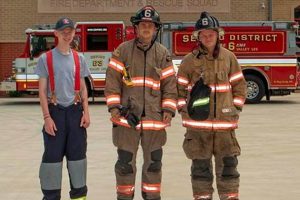
Rigorous training standards form the bedrock of operational effectiveness for the Seaford Volunteer Fire Department. These standards, often mandated by state and national regulatory bodies, dictate the minimum level of competency required for volunteer firefighters to safely and effectively perform their duties. Inadequate training directly translates to increased risks for both the firefighters and the community they serve. For instance, a lack of proficiency in structural firefighting techniques can lead to preventable injuries, increased property damage, or even loss of life within a burning building. Conversely, adherence to established protocols and regular skill maintenance drills significantly enhances the department’s ability to mitigate emergencies and protect lives. An example is the consistent practice of search and rescue drills, leading to faster and more efficient victim extraction during a real-world incident.
The practical application of these training standards extends beyond emergency response. It includes ongoing education in areas such as hazardous materials handling, medical first response, and incident command systems. This continuous learning ensures that personnel are equipped to handle a wide range of emergency scenarios, maintaining the department’s versatility and adaptability. For example, firefighters trained in hazardous materials response are better prepared to contain spills, identify risks, and protect the environment from contamination. Furthermore, properly trained incident commanders can effectively manage resources, coordinate personnel, and make critical decisions during large-scale emergencies, preventing chaos and maximizing the effectiveness of the response.
In summary, the connection between training standards and the Seaford Volunteer Fire Department is inextricable. Upholding these standards is not merely a procedural requirement; it is a moral imperative. Challenges such as limited funding, time constraints for volunteers, and the complexity of modern firefighting techniques necessitate a constant commitment to improving training programs and providing adequate resources. Failure to prioritize training jeopardizes the safety of the community and undermines the department’s ability to fulfill its mission. Therefore, a focus on continuous improvement in training and skill development is essential for the continued success and viability of the Seaford Volunteer Fire Department.
5. Equipment Maintenance

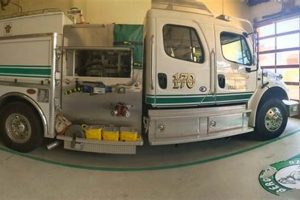
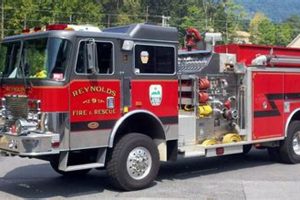
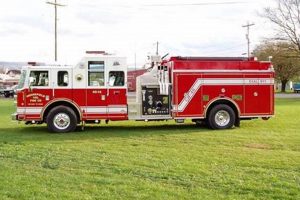
The operational readiness of the Seaford Volunteer Fire Department is directly contingent upon consistent and thorough equipment maintenance. This encompasses a wide array of tools and vehicles, from fire engines and specialized rescue apparatus to personal protective equipment and communication systems. Neglecting this critical function results in compromised response capabilities, increased risk to personnel, and potential delays in providing essential services to the community. A malfunctioning fire hose during a structure fire, for example, can impede suppression efforts, allowing the fire to spread and endangering both occupants and firefighters. Similarly, a poorly maintained breathing apparatus can expose personnel to toxic fumes, leading to serious health consequences.
Effective maintenance programs within the department typically involve scheduled inspections, preventative maintenance procedures, and prompt repairs when issues arise. These programs often include detailed checklists, training for personnel on proper equipment usage and care, and adherence to manufacturer recommendations. The investment in a robust maintenance program is justified by the enhanced reliability of equipment during emergency situations. Well-maintained equipment extends its lifespan, reducing the need for costly replacements and ensuring that resources are available when needed most. Furthermore, meticulous record-keeping of maintenance activities provides a valuable audit trail, demonstrating accountability and ensuring compliance with safety regulations. An example is the regular inspection and certification of ladders, which helps prevent structural failures that could cause serious injuries.
Ultimately, equipment maintenance is an indispensable component of the Seaford Volunteer Fire Department’s commitment to public safety. The challenges associated with volunteer staffing and funding limitations require innovative solutions to ensure that equipment is consistently maintained to the highest standards. This could involve seeking grants, leveraging community partnerships, or implementing a volunteer maintenance program. Addressing these challenges proactively guarantees that the department remains prepared to respond effectively to emergencies, safeguarding the lives and property of the community it serves. The dedication to equipment maintenance reflects the broader commitment to professionalism and excellence within the Seaford Volunteer Fire Department.
6. Financial Support

The operational effectiveness and long-term sustainability of the Seaford Volunteer Fire Department are inextricably linked to the availability of adequate financial support. This funding enables the department to maintain equipment, provide training, and ensure the availability of resources necessary for effective emergency response. The absence of sufficient financial backing can directly compromise the department’s ability to serve the community.
- Municipal Funding Allocations
A significant portion of the financial support often originates from municipal budgets. These allocations are determined by local government priorities and are subject to fluctuations based on economic conditions. For example, a reduction in local tax revenues may result in decreased funding for the department, potentially impacting its ability to purchase new equipment or maintain existing apparatus.
- Fundraising Activities and Donations
The department relies heavily on community fundraising activities, such as pancake breakfasts, car washes, and direct donation campaigns. These efforts not only generate revenue but also foster a sense of community ownership and support for the fire service. The success of these activities is dependent on community participation and the department’s ability to effectively communicate its needs and accomplishments.
- Grants and External Funding Sources
Securing grants from federal, state, and private organizations is a crucial aspect of financial sustainability. These grants often target specific needs, such as equipment upgrades, training programs, or infrastructure improvements. Applying for and managing these grants requires significant administrative effort and expertise, demanding resources that are sometimes limited within a volunteer organization. A successful grant application can provide the department with resources that would otherwise be unattainable.
- Equipment Replacement and Maintenance Costs
A substantial portion of the financial resources is dedicated to the upkeep and replacement of aging equipment. Fire engines, rescue tools, and protective gear have limited lifespans and require regular maintenance to ensure operational readiness. Deferring maintenance due to financial constraints can lead to equipment failures, compromising the safety of firefighters and the effectiveness of emergency response. The cost of replacing a fire engine, for instance, can represent a significant financial burden for the department.
The Seaford Volunteer Fire Department’s continued ability to provide essential services to the community hinges on a diversified and sustainable financial support model. Balancing municipal funding, fundraising efforts, grant acquisition, and responsible management of resources is essential for ensuring the department’s long-term viability and its capacity to respond effectively to emergencies.
Frequently Asked Questions
The following questions and answers address common inquiries regarding the operations and role of the Seaford Volunteer Fire Department.
Question 1: What constitutes a volunteer fire department?
The organization comprises individuals who provide fire suppression, rescue, and emergency medical services without financial compensation. These personnel dedicate their time and skills to safeguard the community.
Question 2: How is the Seaford Volunteer Fire Department funded?
Funding sources typically include a combination of municipal allocations, community fundraising activities, grants from governmental and private organizations, and individual donations. The allocation of resources directly impacts operational capabilities.
Question 3: What training is required of volunteer firefighters?
Volunteer firefighters are required to undergo rigorous training programs that meet or exceed state and national standards. Training encompasses fire suppression techniques, hazardous materials handling, medical first response, and incident command systems. Continuing education is essential for maintaining proficiency.
Question 4: How can the community support the Seaford Volunteer Fire Department?
Community members can support the organization through financial donations, participation in fundraising events, volunteering their time, and promoting fire safety awareness. Support directly bolsters the department’s ability to serve effectively.
Question 5: What types of emergencies does the Seaford Volunteer Fire Department respond to?
The department responds to a broad spectrum of emergencies, including structure fires, vehicle accidents, hazardous materials incidents, medical emergencies, and rescue operations. Versatility and adaptability are critical for addressing diverse situations.
Question 6: How does the volunteer fire department coordinate with other emergency services?
The department collaborates closely with local police, emergency medical services, and other relevant agencies to ensure a coordinated and seamless response to emergencies. Interagency cooperation is vital for handling complex incidents effectively.
These answers provide essential insight into the operations and support mechanisms of the Seaford Volunteer Fire Department, emphasizing its vital role within the community.
The next section will discuss the community impact and future challenges for the Seaford Volunteer Fire Department.
Conclusion
This exploration has detailed various facets of the Seaford Volunteer Fire Department, encompassing its operational framework, community engagement, recruitment necessities, training requisites, equipment maintenance protocols, and financial dependencies. The analysis underscores the organization’s fundamental role in safeguarding the community through diligent service and preparedness.
The continued success of the Seaford Volunteer Fire Department hinges upon sustained community backing, diligent adherence to training benchmarks, and proactive adaptation to emerging challenges. Recognizing the critical function of this organization in community safety should compel stakeholders to ensure its future viability and operational excellence.