Table of Contents

The means by which individuals and organizations seek recognition for volunteer contributions through the President’s Volunteer Service Award involve a structured process. This process typically requires documenting volunteer hours, identifying an eligible certifying organization, and submitting an application that meets specific criteria outlined by the awarding body. The application details the nature of the volunteer work, the duration of service, and its impact on the community or cause supported.
Gaining recognition through this award underscores the significance of civic engagement and provides several benefits. It not only acknowledges dedication to service but also inspires others to become involved in volunteer activities. Furthermore, it can enhance the recipient’s reputation and potentially open doors to further opportunities within their field or community. Historically, the award has served as a prominent symbol of national appreciation for volunteerism, encouraging a culture of service across the nation.
Understanding the eligibility requirements, identifying participating organizations authorized to certify volunteer hours, and navigating the application portals are crucial steps. Resources outlining the guidelines, providing access to relevant platforms, and offering guidance on effectively documenting volunteer activities will be explored to facilitate the application process.
Guidance on Seeking the President’s Volunteer Service Award
This section provides actionable guidance for successfully navigating the process of seeking recognition through the President’s Volunteer Service Award. The aim is to offer specific strategies for a streamlined application and optimal representation of volunteer contributions.
Tip 1: Comprehensive Documentation: Maintain meticulous records of all volunteer activities. Documentation should include dates, times, specific tasks performed, and the name of the organization where the service occurred. A detailed logbook can serve as evidence when applying.
Tip 2: Verify Certifying Organization Eligibility: Ensure the organization where volunteer work is conducted is an officially recognized certifying organization for the President’s Volunteer Service Award. Confirming eligibility prevents delays or disqualification during the application process.
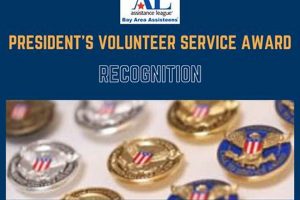
Tip 3: Align Activities with Award Criteria: Familiarize oneself with the different award levels (Bronze, Silver, Gold, and Lifetime Achievement) and their corresponding hour requirements. Target volunteer efforts to meet the thresholds for the desired level.
Tip 4: Articulate Impact: When describing volunteer activities in the application, focus on the tangible impact made on the community or population served. Quantifiable results and specific examples strengthen the case for recognition.
Tip 5: Adhere to Submission Deadlines: Be vigilant about application deadlines set by the certifying organization. Late submissions may not be considered. Plan ahead and gather all necessary documentation well in advance of the deadline.
Tip 6: Seek Endorsements: Where possible, obtain letters of recommendation from supervisors or colleagues who can attest to the quality and dedication displayed during volunteer service. These endorsements add credibility to the application.
Tip 7: Review and Proofread: Before submitting the application, thoroughly review all information for accuracy and completeness. Proofread the text for any grammatical errors or typos. A polished application reflects positively on the applicant.
By following these recommendations, individuals can enhance their prospects of receiving the President’s Volunteer Service Award. Diligent preparation and a clear representation of the impact of volunteer work are key to a successful application.
With a solid understanding of these guidelines, applicants are better positioned to effectively seek the formal acknowledgment afforded by this prestigious award.
1. Eligibility Requirements
Eligibility requirements represent a foundational element governing the process of applying for the President’s Volunteer Service Award. These stipulations, set forth by the administering bodies, delineate the parameters defining who may qualify for recognition based on their volunteer service. Non-adherence to these prerequisites invariably results in application disqualification, highlighting their critical importance. Factors such as age, citizenship or residency status, and the nature of the volunteer organization often feature prominently within these specified conditions. Consequently, individuals intending to seek acknowledgement through this award must initially confirm their compliance with all mandated eligibility criteria before undertaking any further procedural steps.
The practical significance of understanding eligibility manifests in preventing wasted effort and resources. For example, if an applicant is not a U.S. citizen or lawful permanent resident, despite fulfilling all other volunteer hour requirements, their application will be deemed ineligible. Similarly, certain types of service may be excluded, such as court-ordered community service or activities primarily benefiting the volunteer rather than the wider community. Therefore, thorough research into current eligibility rules saves time and enables prospective applicants to focus their energies on qualifying activities. Organizations involved in certifying volunteer hours also bear a responsibility to verify eligibility before submitting nominations.
In summary, eligibility requirements serve as a gatekeeping mechanism ensuring the President’s Volunteer Service Award is bestowed upon individuals who genuinely meet the stipulated criteria. Failure to acknowledge and comply with these stipulations renders the application process futile. Understanding these requirements from the outset is crucial for aligning volunteer efforts with applicable guidelines and maximizing the potential for successful recognition. While specific stipulations may evolve over time, the overarching principle of adhering to established eligibility criteria remains a constant necessity for all applicants.
2. Certifying Organizations
Certifying organizations serve as the linchpin in the formal process by which volunteer service is recognized through the President’s Volunteer Service Award. An individual’s volunteer hours, the primary metric for award qualification, must be validated by an officially designated certifying organization. This validation ensures the integrity of the award system, preventing self-reporting inaccuracies and providing a trusted intermediary between the volunteer and the awarding body. Without the involvement of a certifying organization, an application is incomplete and ineligible for consideration. The organizations vouch for the accuracy of the hours submitted and often provide a platform through which volunteers can track and report their contributions.
The importance of certifying organizations is multifaceted. They ensure that volunteer work aligns with the spirit of the award, promoting community betterment and addressing genuine needs. They also shoulder the administrative burden of verifying volunteer activity, allowing the awarding body to focus on the broader goals of promoting volunteerism. For instance, a local chapter of Habitat for Humanity may act as a certifying organization, tracking the hours contributed by volunteers in constructing homes. These hours, properly documented and submitted through Habitat for Humanity, can then be used by individuals to apply for the President’s Volunteer Service Award. This system creates a structured pathway for recognizing and celebrating meaningful contributions.
In conclusion, understanding the role of certifying organizations is paramount to successfully seeking the President’s Volunteer Service Award. These organizations are not merely administrative entities but essential partners in the recognition process. They guarantee the credibility of the award and facilitate a standardized approach to documenting and acknowledging volunteer contributions. Identifying a participating certifying organization and adhering to its reporting procedures are therefore crucial steps in the pursuit of this prestigious honor.
3. Hour Documentation
Accurate and verifiable hour documentation is an indispensable component of the process, by which individuals pursue recognition through the President’s Volunteer Service Award. Without meticulous records of time dedicated to eligible volunteer activities, an application is deemed incomplete and ineligible for consideration. The awarding organizations require substantiation of the time commitment as a primary criterion for assessing eligibility for the various award levels.
- Methods of Tracking
Volunteer hours may be documented through various means, including but not limited to electronic tracking systems provided by the certifying organization, handwritten logs countersigned by a supervisor, or official letters from the organization confirming the dates and times of service. The chosen method must provide a clear and auditable trail of the volunteer’s involvement. An example would be using a platform like VolunteerMatch’s reporting feature or a timesheet provided by a local non-profit.
- Verification Procedures
Certifying organizations play a critical role in verifying the accuracy of submitted hour documentation. These organizations typically require volunteers to submit their records for review and approval. Verification may involve cross-referencing volunteer logs with attendance records, contacting supervisors to confirm the hours claimed, or requiring volunteers to provide supplementary documentation. This ensures the integrity of the reporting process, maintaining the prestige of the award. For instance, a school’s community service coordinator may verify student volunteer hours before submitting them to a national organization.
- Eligible Activities
Not all activities qualify as volunteer service eligible for inclusion in hour documentation. Generally, only unpaid activities that benefit the community or a non-profit organization are considered. Activities performed as part of a job requirement, court-ordered community service, or those that primarily benefit the volunteer are typically excluded. Understanding the specific guidelines outlining eligible and ineligible activities is crucial. Tutoring at a local library would generally qualify, while doing chores for a family member would not.
- Record Retention
Maintaining meticulous records of volunteer hours and supporting documentation is essential, not only for the initial application but also for potential audits or requests for clarification. Retaining copies of all logs, timesheets, and verification letters for a specified period ensures the applicant can readily address any inquiries. Some certifying organizations may require volunteers to keep records for a specific duration after the application is submitted. This promotes transparency and accountability in the award process.
These facets of hour documentation directly influence the likelihood of a successful application for the President’s Volunteer Service Award. Applicants are advised to prioritize accurate and verifiable record-keeping from the outset of their volunteer activities to avoid complications during the submission process. The diligent maintenance and verification of volunteer hours constitute a fundamental aspect of earning formal recognition for community service.
4. Application Forms
Application forms represent a crucial gateway within the structured process through which individuals seek the President’s Volunteer Service Award. These forms, typically standardized by the certifying organizations or the administering body, collect pertinent information about the volunteer, the nature of their service, and the impact of their contributions. The accurate and complete submission of the application form directly influences the prospects of receiving the award, functioning as a critical document upon which eligibility and merit are evaluated. A failure to properly complete these forms inevitably impedes the application’s progress, potentially leading to rejection.
The application form serves as a comprehensive record, detailing specific aspects of the volunteer’s service that are essential for assessment. For instance, the form collects information on the number of volunteer hours accrued, the name and contact information of the certifying organization, and a narrative description of the volunteer activities undertaken. Furthermore, the form often includes space for the volunteer to articulate the impact of their service on the community, demonstrating how their efforts have contributed to addressing a specific need or challenge. This allows evaluators to discern the tangible benefits arising from the volunteer work. An example would be an application describing how a volunteer’s tutoring services improved literacy rates at a local community center, supported by quantifiable data.
In summary, the accurate and complete filling out of application forms is an indispensable step in successfully navigating the process of applying for the President’s Volunteer Service Award. These forms consolidate essential information, enable evaluators to assess the merit and impact of volunteer contributions, and ultimately determine eligibility for the award. While challenges such as form complexity or information gaps may arise, understanding the purpose and requirements of these forms is fundamental to achieving recognition for volunteer service. This underscores the critical link between meticulous documentation, the accurate completion of application forms, and the broader aim of acknowledging and celebrating civic engagement.
5. Impact Statements
Impact statements, within the framework of applying for the President’s Volunteer Service Award, represent a critical component of the overall evaluation process. These statements serve to articulate the quantifiable or qualitative effects resulting from the applicant’s volunteer efforts, thereby substantiating the value and significance of their contributions.
- Quantifying Outcomes
Quantifying outcomes within impact statements involves presenting numerical data to illustrate the direct results of volunteer work. For instance, a volunteer tutoring students might cite an improvement in average test scores or graduation rates. A volunteer involved in environmental conservation could report the number of trees planted or the amount of waste collected. This provides tangible evidence of the volunteer’s contribution and its positive influence on the target population or environment. Such quantification strengthens the application.
- Narrative Descriptions of Qualitative Change
While quantitative data is valuable, impact statements also benefit from narrative descriptions of qualitative changes. These narratives illuminate the less measurable, yet equally important, outcomes of volunteer service. Examples include testimonials from beneficiaries, descriptions of increased community engagement, or accounts of personal growth among those served. The use of storytelling, focused on demonstrating the positive changes effected by the volunteer’s efforts, can significantly enhance the impact statement and contribute to a more compelling application.
- Connecting Actions to Results
A well-crafted impact statement clearly connects the volunteer’s specific actions to the observed results. It is insufficient to simply list activities performed; the statement must explicitly demonstrate how those activities translated into tangible benefits. For example, rather than stating “organized a food drive,” the statement should explain “organized a food drive, collecting 500 pounds of food that provided 200 meals to families in need.” This direct link between effort and outcome reinforces the significance of the volunteer’s contribution and strengthens the application’s overall impact.
- Specificity and Contextualization
Effective impact statements are characterized by specificity and contextualization. The statement should provide concrete details about the volunteer’s activities and the environment in which they were performed. Generalizations and vague descriptions should be avoided. Contextualizing the volunteer work within the broader community or organizational mission helps to demonstrate the alignment of the volunteer’s efforts with larger goals. This provides a fuller picture of the volunteer’s contribution and reinforces its value to the certifying organization and the awarding body.
The integration of these elementsquantifiable outcomes, qualitative descriptions, clear connections between actions and results, and contextual specificityinto impact statements is paramount for a successful application for the President’s Volunteer Service Award. These statements provide the critical link between volunteer activities and their beneficial effects, ensuring that the applicant’s contributions are fully recognized and appreciated.
6. Submission Deadlines
Adherence to established submission deadlines forms an indispensable element of the process by which individuals pursue the President’s Volunteer Service Award. These deadlines, stipulated by the certifying organizations or the administering body, dictate the timeframe within which applications must be received to be considered for recognition. Failure to meet these deadlines invariably results in application disqualification, underscoring their critical importance.
- Application Window Closure
The designated submission deadlines mark the cessation of the application acceptance period. Applications received after this date, regardless of the extent of volunteer contributions documented, are typically not evaluated. This enforced cut-off ensures administrative efficiency and fairness in the evaluation process. For instance, a certifying organization might specify a deadline of December 31st, meaning applications submitted on January 1st or later are automatically excluded from consideration for that award cycle. This requires proactive planning and timely action from prospective applicants.
- Impact on Award Cycle
Submission deadlines directly influence the award cycle by defining the period in which applications are gathered, reviewed, and ultimately, awards are conferred. These deadlines enable certifying organizations to organize their evaluation procedures, allocate resources effectively, and ensure timely recognition of deserving volunteers. Deviation from the stipulated timeframe disrupts this carefully structured process. Late applications, even those demonstrating exceptional volunteer service, introduce logistical challenges and undermine the integrity of the award cycle’s timeline.
- Applicant Responsibility
Meeting submission deadlines constitutes a fundamental responsibility incumbent upon applicants seeking the President’s Volunteer Service Award. Proactive planning, meticulous record-keeping of volunteer hours, and timely submission of required documentation are essential to fulfilling this obligation. Applicants must ascertain the specific deadlines set by their certifying organization and allocate sufficient time to complete the application process before the closure date. This requires a commitment to organization and adherence to established timelines.
- Exceptions and Extensions
While strict adherence to submission deadlines is generally enforced, exceptional circumstances may occasionally warrant consideration for extensions. However, such extensions are typically granted only in rare cases, such as unforeseen personal emergencies or technical difficulties preventing timely submission. Applicants seeking an extension must provide compelling justification and supporting documentation to the certifying organization. The granting of an extension remains at the discretion of the certifying organization, emphasizing the importance of adhering to the original deadline whenever possible.
The preceding facets underscore the centrality of submission deadlines to successfully seeking the President’s Volunteer Service Award. Applicants must prioritize adherence to these timelines, recognizing their impact on the award cycle and the overall evaluation process. Proactive planning, diligent preparation, and timely submission of applications are essential to maximizing the prospects of achieving recognition for dedicated volunteer service.
7. Verification Process
The verification process constitutes a foundational element within the application procedures for the President’s Volunteer Service Award. It ensures the integrity and credibility of the award by substantiating the reported volunteer hours and activities, preventing fraudulent or inaccurate claims. This process safeguards the value of the award and maintains its reputation as a genuine recognition of dedicated service.
- Hour Validation by Certifying Organizations
Certifying organizations, pre-approved entities, play a central role in validating volunteer hours. These organizations often maintain internal tracking systems or require volunteers to submit detailed logs of their service. Verification may involve comparing submitted hours with attendance records, contacting supervisors for confirmation, or reviewing project documentation. A local food bank, for instance, may require volunteers to sign in and out, providing a record that can be cross-referenced with submitted applications. This external validation lends credibility to the reported hours and ensures they meet the required standards for the award.
- Activity Eligibility Assessment
The verification process extends beyond simply confirming the number of hours volunteered; it also involves assessing the eligibility of the activities themselves. Certain activities, such as court-ordered community service or activities primarily benefiting the volunteer, are typically excluded. Certifying organizations review the descriptions of volunteer activities provided in the application to ensure they align with the established guidelines. For example, if an applicant claims hours for performing personal errands for a family member, those hours would likely be deemed ineligible. This ensures that the award recognizes genuine community service.
- Background Checks and Risk Mitigation
In certain cases, particularly when working with vulnerable populations, the verification process may incorporate background checks or other risk mitigation measures. This ensures the safety and well-being of those served by volunteers and protects the integrity of the award program. Certifying organizations may require volunteers to undergo criminal background checks or reference checks before they are approved to volunteer. For instance, organizations working with children often mandate background checks to prevent potential harm. This aspect of the verification process underscores the commitment to ethical conduct and responsible volunteerism.
- Audit and Accountability Mechanisms
To maintain the integrity of the verification process, auditing and accountability mechanisms are often implemented. The administering body may conduct periodic audits of certifying organizations to ensure they are adhering to established procedures and accurately verifying volunteer hours. This may involve reviewing documentation, interviewing volunteers and supervisors, or conducting site visits. The presence of these oversight mechanisms promotes accountability and discourages fraudulent activity. This aspect emphasizes the ongoing commitment to the integrity and credibility of the President’s Volunteer Service Award.
In summary, the verification process is a multifaceted system designed to ensure the President’s Volunteer Service Award is bestowed upon deserving individuals who have made genuine and verifiable contributions to their communities. By validating volunteer hours, assessing activity eligibility, implementing risk mitigation measures, and establishing audit mechanisms, the verification process upholds the value and prestige of this important national recognition.
Frequently Asked Questions Regarding the Application for the President’s Volunteer Service Award
This section addresses common inquiries pertaining to the application process for the President’s Volunteer Service Award, offering clarification and guidance on key aspects.
Question 1: What constitutes eligible volunteer service for the President’s Volunteer Service Award?
Eligible volunteer service encompasses unpaid activities that benefit the community or a designated non-profit organization. Activities performed as part of job requirements, court-ordered community service, or those primarily benefiting the volunteer are typically excluded.
Question 2: How does one locate a certifying organization for the President’s Volunteer Service Award?
Certifying organizations can be identified through the official President’s Volunteer Service Award website or by contacting local non-profit organizations and inquiring about their participation in the award program. Organizations must be pre-approved to certify volunteer hours.
Question 3: What documentation is required to verify volunteer hours for the President’s Volunteer Service Award?
Acceptable documentation may include electronic tracking systems provided by the certifying organization, handwritten logs countersigned by a supervisor, or official letters from the organization confirming the dates and times of service. The chosen method must provide a clear and auditable trail.
Question 4: Are there specific age requirements for applicants seeking the President’s Volunteer Service Award?
The President’s Volunteer Service Award recognizes volunteers across various age groups. Different award levels (Bronze, Silver, Gold, Lifetime Achievement) have varying hour requirements, but there is no minimum age to participate. However, certain certifying organizations may have age-related policies.
Question 5: What is the significance of the impact statement in the application for the President’s Volunteer Service Award?
The impact statement serves to articulate the quantifiable or qualitative effects resulting from the applicant’s volunteer efforts. It substantiates the value and significance of their contributions and should demonstrate how their activities translated into tangible benefits for the community or organization served.
Question 6: What recourse is available if an application for the President’s Volunteer Service Award is denied?
In the event of application denial, applicants may contact the certifying organization to inquire about the reasons for the decision. Understanding the specific rationale for denial can inform future applications or provide an opportunity to address any deficiencies in documentation or eligibility.
Understanding these frequently asked questions can streamline the application process and increase the likelihood of successful recognition for volunteer service.
The subsequent section will explore resources and tools available to assist applicants in navigating the application process.
President’s Volunteer Service Award
The exploration of the President’s Volunteer Service Award how to apply reveals a structured and meticulous process designed to formally acknowledge dedicated volunteer contributions. Key elements include adherence to eligibility requirements, engagement with certifying organizations, accurate hour documentation, comprehensive application forms, impactful statements, timely submission, and rigorous verification. Each of these aspects contributes to the overall integrity and value of the award.
The process serves as a conduit for national recognition of sustained volunteerism, it also reinforces the importance of civic engagement and its positive influence on society. Individuals are encouraged to diligently pursue this formal acknowledgment, thereby reinforcing the national ethos of selfless service and inspiring broader participation in community betterment. By adhering to the outlined guidelines, volunteers not only enhance their prospects of receiving the award but also contribute to its continued prestige and significance.