Table of Contents

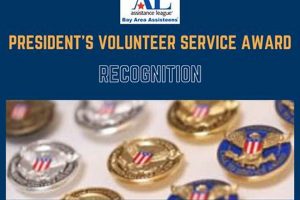
The Presidential recognition program acknowledges the positive impact of volunteers in communities across the United States and inspires others to engage in service. It offers individuals, families, and groups an opportunity to be honored for their commitment to addressing critical societal needs through dedicated volunteer hours. The awards are distributed at various levels, reflecting the amount of time dedicated to volunteer activities over a 12-month period. For instance, a child dedicating 50 hours to volunteering might receive a bronze level, while an adult accumulating over 500 hours could be awarded a gold level.
This commendation serves as a powerful motivator, encouraging continued civic engagement and highlighting the value of selfless contributions to society. It provides formal acknowledgement of the substantial impact volunteers have on improving lives and fostering a stronger sense of community. Its origins trace back to a desire to formally recognize and celebrate the spirit of volunteerism, fostering a culture of service and inspiring others to contribute their time and talents to address pressing social issues. This acknowledgment boosts morale, fosters a sense of belonging, and demonstrates the tangible difference volunteers can make.
The eligibility criteria, award levels, and nomination process are outlined in detail on the program’s official website. Further information regarding the specific areas of community service recognized, the types of volunteer activities that qualify, and the application procedures can also be found there. Understanding these aspects is crucial for individuals and organizations seeking to nominate deserving volunteers for this prestigious honor.
Tips Regarding the Presidential Volunteer Service Award
Maximizing the effectiveness of nominations and participation in the Presidential Volunteer Service Award program requires attention to detail and a strategic approach. Following these guidelines can enhance the likelihood of recognition and ensure a positive experience.
Tip 1: Accurate Record Keeping: Maintain meticulous records of volunteer hours. Include dates, specific activities performed, and the organization or cause benefited. This documentation is crucial for substantiating nominations.
Tip 2: Align Activities with Eligibility: Ensure that volunteer activities align with the program’s eligibility criteria. Activities such as donating goods or services are considered, as are certain types of political activities.
Tip 3: Understand the Award Levels: Familiarize yourself with the different award levels (Bronze, Silver, Gold, and Lifetime) and their corresponding hour requirements. This understanding allows for targeted goal-setting.
Tip 4: Strong Nomination Narrative: When submitting a nomination, craft a compelling narrative that highlights the nominee’s impact. Quantify the results of their efforts and showcase their dedication.
Tip 5: Utilize Certifying Organizations: Seek out officially designated certifying organizations to streamline the nomination process. These organizations possess the authority to verify and submit nominations on behalf of volunteers.
Tip 6: Adhere to Deadlines: Be mindful of nomination deadlines and plan accordingly. Late submissions may not be considered.
Tip 7: Promote the Award: Encourage recipients to promote their achievements. This recognition can inspire others to engage in volunteerism.
By following these suggestions, individuals and organizations can effectively navigate the system and maximize the benefits associated with this distinguished form of recognition.
The subsequent sections of this article will address common questions and concerns related to the practical implementation of the program.
1. National Recognition
The association between national recognition and the President’s Volunteer Service Award centers on the formal acknowledgement by the United States government of exemplary volunteer contributions. This recognition transcends local acknowledgment, carrying a weight of national significance that can elevate the perception and impact of volunteer efforts.
- Prestigious Validation
The endorsement associated with the award lends credibility and prestige to volunteer work. This validation can be instrumental in attracting further support and resources for the organizations and causes the volunteers serve. For instance, a non-profit organization highlighting the commendation bestowed upon its volunteers may find increased donor confidence and volunteer recruitment.
- Visibility and Awareness
The national scope of recognition generates widespread awareness of volunteer efforts. Media coverage and public announcements associated with the award elevate the profile of both the volunteers and the issues they address. This increased visibility can translate into broader community engagement and a greater understanding of the importance of volunteerism.
- Motivation and Inspiration
The prospect of receiving national recognition serves as a powerful motivator for current and prospective volunteers. This tangible acknowledgement of service can fuel continued dedication and inspire others to engage in volunteer activities. The example set by past recipients acts as a testament to the potential impact of individual contributions.
- Standards of Excellence
The President’s Volunteer Service Award establishes benchmarks for volunteer performance. It defines specific hour requirements and eligibility criteria, thereby setting a standard of excellence for those engaged in community service. This framework encourages volunteers to strive for meaningful contributions and to meticulously document their efforts.
The cumulative effect of these facets underscores the significant role national recognition plays in amplifying the impact of volunteer efforts. By formally acknowledging dedication and achievement, the award bolsters the spirit of volunteerism and reinforces its vital contribution to the fabric of the nation.
2. Volunteer Hours
Volunteer hours serve as the fundamental metric for determining eligibility and recognition within the Presidential Volunteer Service Award program. Accumulation of a specified quantity of these hours, within a 12-month period, directly correlates to the level of commendation an individual or group receives. Without documented and verifiable volunteer hours, individuals are ineligible for any level of recognition under the program. The connection is thus causal: dedicated time spent volunteering is the active ingredient that leads to potential formal acknowledgement.
The strategic importance of meticulously tracking and reporting volunteer hours stems from the structured framework of the award program. For example, a high school student dedicating 75 hours to tutoring underprivileged children easily achieves a Silver level award. An adult volunteer mentoring aspiring entrepreneurs for over 250 hours within a year could earn a Gold award. These verifiable milestones highlight the practical significance. The ability to quantify and demonstrate service hours provides tangible evidence of a volunteer’s commitment and impact.
Understanding the nexus between tracked volunteer hours and the commendation underscores the importance of organized and dedicated volunteer efforts. The system prevents arbitrary claims of service. Organizations seeking to recognize their volunteers must prioritize accurate record-keeping and clear reporting processes. The program ultimately reinforces the value of sustained dedication to community service through the quantifiable measure of time contributed.
3. Community Impact
The influence of community impact resonates deeply within the framework of the Presidential Volunteer Service Award. It is not merely about accruing hours but about effecting tangible, positive change in local areas and beyond. The award serves as a formal acknowledgment of volunteers whose efforts demonstrably improve the lives of others and strengthen the social fabric of their communities.
- Addressing Critical Needs
The award recognizes those volunteers who dedicate their time and talents to addressing pressing societal issues. Examples include individuals who provide food and shelter to the homeless, tutor disadvantaged youth, or offer support to victims of domestic violence. Such efforts contribute directly to alleviating suffering and improving the overall well-being of vulnerable populations. The commendation underscores the importance of targeted interventions that respond to specific community needs.
- Fostering Civic Engagement
The accolade recognizes volunteers who promote civic engagement and participation in community affairs. This encompasses individuals who organize voter registration drives, advocate for policy changes, or serve on local boards and committees. Their involvement strengthens democratic processes and empowers citizens to shape the future of their communities. The awarding of service validates these efforts.
- Environmental Stewardship
Volunteers dedicated to environmental stewardship are often celebrated through this program. These are individuals who clean up parks and waterways, plant trees, or educate others about conservation practices. Such actions contribute to preserving natural resources and promoting environmental sustainability for future generations. Acknowledgment reinforces environmental responsibility.
- Enhancing Quality of Life
The award acknowledges volunteers whose efforts enhance the overall quality of life in their communities. This includes individuals who organize community events, promote arts and culture, or provide recreational opportunities for children and families. These activities foster a sense of belonging and create vibrant, thriving communities. The commendation underscores the value of enrichment activities.
In summation, the Presidential Volunteer Service Award serves as a powerful mechanism for recognizing and celebrating those individuals whose contributions have a significant and measurable impact on their communities. By highlighting the transformative power of volunteerism, the program inspires others to get involved and contribute to building a stronger, more resilient society. Its significance extends beyond individual recognition, underscoring the crucial role of civic engagement in addressing societal challenges and improving the lives of all citizens.
4. Eligibility Criteria
The Presidential Volunteer Service Award’s integrity and value are intrinsically linked to its stringent eligibility criteria. These criteria function as a gatekeeper, ensuring that recognition is bestowed upon individuals and groups who have genuinely dedicated their time and effort to impactful volunteer activities. Without clearly defined and enforced guidelines, the value of the award would be diluted, potentially diminishing its motivational impact and prestige. The direct correlation can be understood through cause and effect: adherence to eligibility requirements is the cause, and the maintenance of the award’s credibility and significance is the effect.
A primary criterion is the verification of volunteer hours. The program mandates that a certain number of hours must be completed within a 12-month period to qualify for various award levels (Bronze, Silver, Gold, and Lifetime). For example, to receive the Gold award, adults typically need to accumulate 500 or more hours of volunteer service. These hours must be documented and certified by an approved organization, ensuring accountability and preventing fraudulent claims. Activities with a political association or that generate a profit are generally ineligible, highlighting that the award is intended for selfless service.
Understanding the relevance of these prerequisites is vital for prospective nominees and certifying organizations. A failure to meet the specified criteria results in disqualification, regardless of the perceived value or impact of the volunteer work. Upholding these standards safeguards the award’s legitimacy and reinforces the importance of structured, verifiable community engagement. The existence of these standards fosters confidence in the program’s integrity and ensures that this is a meaningful recognition of individuals who have truly made a difference through sustained, impactful volunteerism.
5. Inspiring Service
The intrinsic purpose of the Presidential Volunteer Service Award extends beyond mere recognition of past deeds; it functions as a catalyst for future engagement. The award mechanism aims to foster a ripple effect, whereby celebrating existing volunteer efforts ignites a sense of responsibility and encourages others to embrace civic involvement. Awards, therefore, provide a formal platform to showcase dedication and impact, motivating others to emulate such commitment. The connection is causal: the acknowledgment of past service serves as a stimulus for future volunteerism within communities and across the nation.
The inspiring service component manifests in several ways. Award recipients frequently become ambassadors for volunteerism, sharing their experiences and encouraging others to participate. For example, a young recipient who organized a community cleanup initiative might use the award to gain visibility and attract more volunteers to future events. A senior citizen who dedicated thousands of hours to mentoring at-risk youth could inspire others in their age group to offer similar support. The publicity generated by the awards elevates the profile of volunteer opportunities, allowing potential volunteers to identify areas where their skills and interests align with community needs. Media coverage of recipients often emphasizes the accessibility and rewards of volunteer work, demystifying the process and encouraging wider participation.
Understanding the pivotal role of motivating service is thus critical for maximizing the impact of the Presidential Volunteer Service Award. Nominating organizations and award administrators can strategically leverage the recognition to cultivate a culture of volunteerism. By highlighting the diverse achievements and personal narratives of award recipients, they can demonstrate the tangible benefits of civic engagement and inspire a new generation of volunteers to dedicate their time and talents to addressing critical societal challenges. The awards, consequently, represent not just a culmination of past efforts, but also a launchpad for future contributions and sustained community development.
Frequently Asked Questions
This section addresses common inquiries and clarifies potential uncertainties concerning the Presidential Volunteer Service Award program.
Question 1: What activities qualify for the Presidential Volunteer Service Award?
Qualifying activities encompass unpaid work that benefits others and addresses community needs. Examples include tutoring, mentoring, assisting at food banks, participating in environmental cleanups, and volunteering at hospitals. Activities benefiting only the volunteer or their immediate family do not qualify.
Question 2: Is there an age restriction for eligibility?
The award is available to United States citizens or lawful permanent residents of all ages. However, the required number of volunteer hours varies depending on the age group. The age categories are: Kids (ages 5-10), Teens (ages 11-15), Young Adults (ages 16-25), and Adults (26+).
Question 3: How does one nominate a volunteer for the President’s Volunteer Service Award?
Nominations must be submitted through a certified organization. Individuals cannot directly nominate themselves. A list of certifying organizations is available on the official program website. The certifying organization verifies the volunteer hours and submits the nomination on the volunteer’s behalf.
Question 4: What documentation is needed to verify volunteer hours?
Acceptable documentation typically includes records from the volunteer organization, such as timesheets or letters confirming the volunteer’s service. The documentation must specify the dates, activities, and total hours volunteered. The certifying organization may have specific requirements for documentation.
Question 5: Can volunteer hours from different organizations be combined to meet the award criteria?
Yes, volunteer hours from multiple organizations can be combined, provided that all activities meet the eligibility requirements. Accurate records from each organization must be maintained and submitted to the certifying organization.
Question 6: Is there a deadline for submitting nominations?
The deadline for submitting nominations varies depending on the certifying organization. It is advisable to contact the certifying organization directly to inquire about their specific deadlines and procedures.
The answers provided offer a more comprehensive understanding of the practical aspects of participating in the recognition program.
The next segment will delve into the historical background and evolution of the award.
Presidential Volunteer Service Award Conclusion
This discourse has elucidated “what is the president’s volunteer service award,” defining it as a formal national commendation for sustained, impactful volunteer contributions. The program operates on clearly defined eligibility criteria, emphasizing verifiable volunteer hours and meaningful community benefit. National recognition, diverse levels of awards, and promotion of volunteering contribute to its effect.
The continuation of structured volunteer engagements serves as a pivotal strategy in strengthening communities across the nation. The Presidential Volunteer Service Award not only recognizes these efforts but galvanizes further participation, reinforcing the integral role of civic duty in addressing societal requirements and promoting public wellbeing in the upcoming years.