


Table of Contents

Every afternoon across the United States, millions of kids walk through the doors of their local Boys and Girls Club looking for a safe place to learn, play, and grow. What makes those clubs truly transformative, however, is not the building or the basketball court — it’s the people. Volunteer programs at Boys and Girls Clubs give community members a direct way to shape young lives through mentorship, tutoring, coaching, and skill-building. Whether you can spare one hour a week or one full afternoon, the right volunteer opportunity can turn your time into a measurable, life-changing investment in the next generation. This guide breaks down the best boys and girls club volunteer programs available today, how to join them, and how to make the biggest impact once you do.
Why Boys and Girls Club Volunteer Programs Are Worth Your Time
Boys and Girls Clubs of America (BGCA) serves more than four million young people through thousands of club locations nationwide, many of them in underserved neighborhoods where affordable after-school care is scarce. Club staff work tirelessly, but the demand for one-on-one attention consistently outpaces capacity. That’s where volunteers come in. Research on youth development consistently shows that a consistent, caring adult is the single strongest predictor of a child’s long-term academic and emotional success. When you volunteer with a youth development organization like BGCA, you’re not just filling time — you’re closing the mentorship gap for kids who may not have access to tutors, coaches, or career role models otherwise.
Volunteering also strengthens the community fabric around each club. Local businesses, colleges, and families that engage with clubs report stronger neighborhood ties and higher youth retention rates. In short, these programs create a win-win: kids gain stability and inspiration, while volunteers gain purpose, skills, and genuine connection.
The Best Boys and Girls Club Volunteer Programs to Explore
Not all volunteer roles are the same, and the best fit depends on your skills, schedule, and personality. Here are the most impactful and widely available program areas across local club chapters.
1. Academic Support and Homework Help (Power Hour)
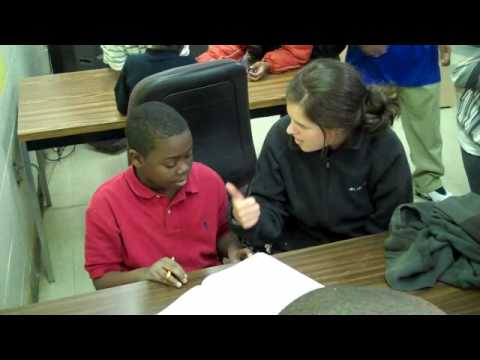
Power Hour is BGCA’s flagship homework assistance and tutoring program, and it’s one of the easiest entry points for new volunteers. You don’t need a teaching license — just patience, solid foundational skills in math, reading, or writing, and a willingness to sit beside a student and encourage them. Volunteers typically help kids ages 6 to 18 complete assignments, build study habits, and prepare for tests. If you’re a college student, retiree, or working professional with weekday evening availability, this role delivers visible, immediate results.
2. Youth Sports and Recreation Coaching (Triple Play)
Triple Play is BGCA’s signature wellness program combining physical activity, healthy eating, and social-emotional learning. Volunteers who love sports can coach basketball, soccer, flag football, or lead general fitness games. You don’t need to be a former athlete; enthusiasm, fairness, and consistency matter far more than technical expertise. Coaching roles are ideal for people who want high-energy, active volunteering rather than desk-based tasks.
3. STEM and Technology Education Programs
Many clubs now run robotics clubs, coding workshops, and DIY STEM labs, often in partnership with corporate sponsors. Volunteers with backgrounds in engineering, IT, or science can lead hands-on experiments, mentor robotics teams, or help kids explore 3D printing and game design. These programs are especially valuable because they expose kids to career paths they might never encounter otherwise, making them some of the highest-impact volunteer opportunities for professionals in technical fields.
4. Arts and Creative Expression Programs
ImageMakers, the club’s national photography and visual arts initiative, along with music, dance, and drama offerings, depend heavily on creative volunteers. If you’re a photographer, musician, painter, or designer, you can run workshops, judge art contests, or help kids build portfolios. Arts volunteering tends to attract people who want to build confidence and self-expression in quieter, more intimate group settings.
5. Teen Mentorship and Career Readiness
Older youth participate in programs like Keystone Club (a teen leadership group), Torch Club for middle schoolers, and the Youth of the Year scholarship competition. Volunteers here serve as career mentors, mock interviewers, college application advisors, and public speaking coaches. This is an excellent match for HR professionals, entrepreneurs, managers, and college admissions alumni who can offer real-world guidance on resumes, internships, and financial literacy.
6. Health and Life Skills Workshops

Programs like Healthy Habits and Smart Moves teach nutrition, conflict resolution, goal-setting, and resistance to peer pressure. Nurses, dietitians, counselors, and social workers often find these volunteer roles deeply rewarding because they address the root challenges kids face outside the classroom.
| Volunteer Program | Best For | Typical Commitment | Skills Needed |
| Power Hour Tutoring | Students, retirees, patient helpers | 1–2 hours weekly | Basic academics, encouragement |
| Triple Play Sports Coaching | Active, energetic volunteers | 2–3 hours weekly | Team spirit, reliability |
| STEM/Robotics Mentoring | Engineers, IT professionals | 2–4 hours weekly or project-based | Technical knowledge, curiosity |
| Arts & ImageMakers | Creative professionals | 1–2 hours weekly | Craft skill, patience |
| Teen Career Mentorship | Business and HR professionals | Monthly sessions or events | Career insight, communication |
| Health & Life Skills | Healthcare and counseling backgrounds | Varies by workshop | Subject expertise, empathy |
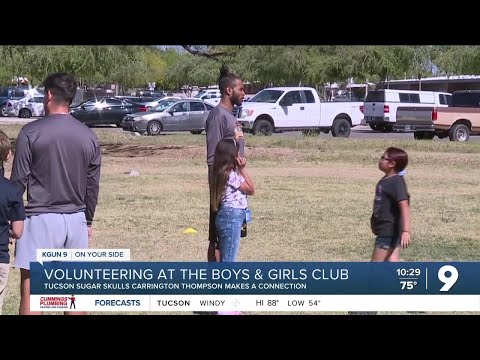
How to Become a Boys and Girls Club Volunteer: Step-by-Step
Getting started is simpler than most people expect, and local clubs actively recruit because demand always exceeds supply. Follow this process:
- Locate your nearest club. Use the club finder on the official BGCA website or search for “boys and girls club volunteer opportunities near me” to identify local chapters and Independent Clubs in your area.
- Review available roles. Most clubs publish current needs, from homework tutors to event helpers, on their websites or volunteer coordination platforms.
- Complete the application. Expect to provide basic personal information, references, and your availability window.
- Pass a background check. Because you’ll work with minors, all clubs require criminal background screening, often including child abuse registry checks. This usually takes one to two weeks.
- Attend orientation and training. Many clubs offer a one-time session covering child safety policies, mandated reporting, and behavior management basics.
- Start small and stay consistent. Begin with a recurring weekly slot. Consistency matters more to kids than the total hours you log.
Volunteer Requirements, Screening, and Age Guidelines
Most clubs require volunteers to be at least 16 to 18 years old, though some locations run junior volunteer or teen service programs for high school students earning community service hours. Adults should be prepared to complete annual background re-screening in many jurisdictions. Group volunteering — corporate teams, college clubs, church groups — is also welcomed for special events, clean-up days, and holiday drives, usually with lighter screening requirements since a staff member supervises throughout.
Virtual and Flexible Volunteer Opportunities
Can’t commit to in-person visits? Many clubs now offer remote options, especially since expanded digital programming. Virtual volunteers can tutor students over video calls, record career-readiness talks, review teen resumes, judge essay and art contests, or support fundraising and social media campaigns from home. These flexible roles are perfect for remote workers, people with mobility limitations, or volunteers living far from a club location but wanting to support youth development anyway.
Expert Tips to Get the Most Out of Your Volunteer Experience
- Show up consistently. Kids form attachments quickly; the volunteers they remember are the ones who came back every week.
- Ask the staff what they actually need. Club directors know their gaps — sometimes the highest-need role isn’t the one you assumed.
- Focus on relationships, not outcomes. You won’t transform every child’s grades, but every encouraging conversation compounds over time.
- Bring your real-world story. Sharing your career path, failures, and successes gives kids a mental model of what’s possible.
- Set boundaries and follow safety protocols. Always follow club supervision rules; they protect kids and you.
- Track your hours. Useful for employer volunteer grants, scholarship applications, and resume building.
How Volunteering Benefits You, Too
Beyond the altruistic reward, boys and girls club volunteer programs strengthen your own profile. Volunteers develop leadership, communication, and cross-cultural skills that employers value highly. College applicants gain authentic service narratives. Companies increasingly offer paid volunteer time off and matching grants, turning your hours into additional donations for the club. Many volunteers also report reduced stress and a stronger sense of community belonging — benefits backed by a large body of research on civic engagement and wellbeing.
Final Thoughts
The best boys and girls club volunteer program isn’t the most prestigious one — it’s the one you’ll stick with. Whether you choose tutoring in Power Hour, coaching Triple Play sports, mentoring teens on career readiness, or supporting STEM labs remotely, your consistency is what turns a good program into a life-changing one. Start by contacting your local club this week, complete the screening, and commit to a schedule you can realistically maintain. A few hours a month may feel small to you, but to a kid who needs one steady adult in their corner, it can mean everything.
Frequently Asked Questions
What are the requirements to volunteer at a Boys and Girls Club near me?
Requirements vary slightly by chapter, but nearly all clubs require a completed volunteer application, a criminal background check (often including a child abuse registry search), references, and attendance at an orientation covering child safety and conduct policies. Most locations ask volunteers to be at least 16–18 years old, and some roles require additional training, such as coaching certification or mandated reporter training.
Can teenagers earn community service hours through boys and girls club volunteer programs?
Yes. Many clubs operate junior volunteer programs for high school students who need service hours for graduation, National Honor Society, or college applications. Teens typically assist with younger youth programs, special events, sports leagues, and administrative tasks under staff supervision. Always confirm hour-logging procedures with the club’s volunteer coordinator beforehand.
How much time do I need to commit to a boys and girls club volunteer program?
Most clubs recommend a recurring commitment of one to two hours per week for at least a semester, since consistency benefits kids most. However, episodic options exist too — one-day events, career fairs, judging contests, and corporate group service days. Virtual roles can be even more flexible, sometimes requiring only a few hours per month.
Are there virtual boys and girls club volunteer opportunities for remote volunteers?
Absolutely. Many chapters offer remote tutoring via video platforms, virtual career mentoring, online judging for art and essay competitions, and digital support for fundraising or marketing. If no club exists near you, contact regional BGCA offices or nearby chapters directly and ask about their remote volunteer pipeline — demand for virtual mentors has grown significantly.
Do I need teaching or coaching experience to volunteer at a Boys and Girls Club?
No formal experience is required for most roles. Power Hour tutors simply need patience and basic academic competence, and sports volunteers need enthusiasm more than athletic credentials. Clubs provide orientation, and staff remain on site to guide you. Subject-matter professionals (in STEM, arts, or careers) simply have more specialized program options available.
What’s the difference between volunteering at a Boys and Girls Club and a program like Big Brothers Big Sisters?
Boys and Girls Club volunteering is typically site-based and structured — you serve alongside other volunteers during club hours, with staff supervision, and flexible scheduling. Big Brothers Big Sisters focuses on one-on-one long-term matching between a single mentor and a child, requiring a larger time commitment (often a year or more). If you want structured, flexible, group-oriented service, a Boys and Girls Club is usually the easier entry point; if you want deep individual mentorship, consider both and choose based on your availability.