


Table of Contents
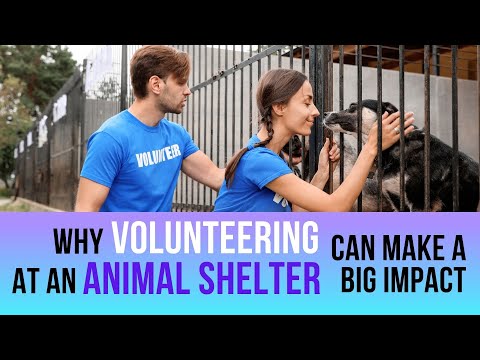
Animal shelter nonprofit volunteer roles include dog walking, cat socialization, adoption counseling, foster care, transport, event support, grooming, and administrative help. Most shelters welcome beginners and provide hands-on training for every position. Volunteers choose schedules that fit their lives, from weekly shifts to occasional weekend events, making this an accessible way to help homeless animals nearby.
What shelter volunteers actually do each day
Shelter volunteers handle the daily care that keeps resident animals healthy, calm, and ready for adoption. A typical shift includes walking dogs, scrubbing kennels, refilling water bowls, and sitting quietly with cats who crave company. Volunteers also socialize nervous animals so they adjust more easily to life inside a home. Some days involve bathing pets before meet-and-greet visits or photographing new arrivals for adoption listings. Every task, however small it seems, directly improves an animal’s chance of finding a family.
Animal interaction is only half the picture, because shelters also run on people-centered work. Front-desk helpers greet adopters, answer phones, and guide visitors toward the right staff member. Others sort donations, wash laundry, assemble adoption packets, or drive animals to veterinary appointments. These behind-the-scenes jobs free paid staff to focus on medical care and adoption matchmaking. Many shelters need office and logistics help just as badly as extra hands in the kennels.
Every shelter expects volunteers to follow staff direction around the animals in their care. Newcomers learn each organization’s handling rules, from leash protocols to reading canine and feline body language. If a dog seems overwhelmed or a cat swats, the right response is stepping back and notifying a coordinator. Respecting these guidelines protects you, the animals, and everyone working alongside you. Sound judgment during shifts builds trust and often leads to bigger responsibilities later.
How to start volunteering at your local shelter
Getting started with animal shelter nonprofit volunteer roles usually begins with a simple application on the shelter’s website or at the front desk. Most organizations ask for basic contact details, your weekly availability, and any relevant experience with animals. After that comes an orientation session where staff explain safety rules, daily routines, and shift sign-ups. Some shelters also request a short interview or a background check for certain sensitive positions. Within a few weeks, most new volunteers are ready for their first supervised shift.
Training varies by role and by organization, but nobody expects prior experience on day one. Dog walkers learn leash handling and how to respond when a dog pulls, freezes, or barks. Cat socializers learn to let animals approach on their own terms rather than forcing contact. Adoption counselors practice talking with visitors about each pet’s personality, quirks, and needs. Ask plenty of questions during training, because coordinators would rather repeat instructions than see anyone get hurt.
How to stand out as a new volunteer
Reliability impresses shelter coordinators more than any special skill or prior experience. Showing up on time, keeping a regular schedule, and communicating promptly when plans change makes you someone staff can depend on. Volunteers who ask for extra training or offer to cover open shifts often get first pick of rewarding assignments. Taking notes helps too, since remembering a dog’s quirks or a cat’s favorite toy shows genuine care. That reputation opens doors to advanced opportunities like foster coordination or event leadership.
Six volunteer positions you can fill right away
Most shelters organize volunteer work into clearly defined positions, each with its own training and time commitment. Dog walkers and cat socializers handle daily exercise and enrichment, while adoption counselors connect visitors with their future pets. Foster caregivers take animals home temporarily, and event teams power fundraisers and off-site adoption days. Transport drivers, groomers, and administrative helpers round out the roster. Here are six positions new volunteers can typically begin within their first weeks.
- Dog walking and exercise — leash walks, playtime, and potty breaks that keep energetic dogs calm and adoptable.
- Cat socialization — quiet handling, brushing, and interactive play that build trust with shy or stressed cats.
- Adoption counseling — greeting visitors, answering questions, and helping families find pets that match their lifestyle.
- Foster care — providing a temporary home for puppies, kittens, or animals recovering from medical procedures.
- Event and fundraising support — helping with adoption days, donation drives, auctions, and community outreach booths.
- Animal transport — driving animals to veterinary appointments, off-site events, or partner rescues.
Each position suits a different personality and schedule, so there is genuinely something for everyone. Volunteers who crave calm, one-on-one time often love cat socialization best. People who enjoy conversation tend to thrive as adoption counselors, matching families with the right companion. Drivers and event helpers usually work in short bursts, which fits busy calendars better than weekly kennel shifts.

Do not hesitate to sample several positions before settling on a favorite. Shelters encourage experimenting because a volunteer who enjoys the work stays far longer. Tell your coordinator which tasks energize you and which drain you, and they will steer you toward the right fit. Many long-term volunteers eventually combine roles, such as weekday dog walking plus monthly adoption events.
Skills, age rules, and requirements shelters expect
Shelters value dependability, patience, and a calm presence around stressed animals more than any technical skill. Physical demands vary by role, since dog walking means managing strong leashes while cleaning shifts involve lifting, bending, and scrubbing. Nearly every organization requires volunteers to complete orientation and agree to written safety policies before their first shift. Certain positions need extra training or a background check, especially those involving money, transport, or unsupervised access. Being honest about your comfort level keeps both you and the animals safe.
Age requirements differ from one shelter to the next, so always check the policy before applying. Many organizations welcome teen volunteers with a parent’s permission, while hands-on animal duties often carry higher minimum ages for safety. Family volunteering programs let parents and children serve together, which builds compassion early. Younger helpers can usually take on tasks like laundry, donation sorting, or reading to cats instead. Coordinators can almost always suggest age-appropriate options even when kennel access is limited.
What to wear and bring on your first day

Wear closed-toe shoes and clothes you do not mind ruining, because kennel work involves water, fur, and disinfectant. Leave dangling jewelry at home and skip strong perfumes, since sensitive animals react badly to overpowering scents. Bring water, a small snack, and any paperwork the shelter has not yet processed. Arrive a few minutes early to meet your coordinator and review the shift plan together. Expect sore muscles and a full heart by the time your first day wraps up.
Animal shelter nonprofit volunteer roles compared at a glance
The table below compares three common positions by their main duties, typical commitment, and the volunteers who fit them best. Dog walking suits active people who want outdoor, physical work with dogs. Cat socialization fits calm, patient helpers who prefer quiet interaction indoors. Foster care demands the most responsibility because animals live in your home, yet it frees the most kennel space. Use this comparison to match a role to your schedule and personality.

| Position | Main duties | Typical commitment | Best suited for |
|---|---|---|---|
| Dog walker | Leash walks, playtime, basic kennel cleaning | One or two recurring shifts weekly | Active people who enjoy outdoor work |
| Cat socializer | Quiet handling, brushing, interactive play | Flexible visits on a weekly basis | Calm, patient helpers who prefer indoors |
| Foster caregiver | Daily home care, feeding, behavior notes | Ongoing care until the animal is adopted | Responsible people with pet-friendly homes |
Commitment levels differ sharply between these roles, so look beyond the job titles. Kennel volunteers can finish a set shift and leave the animals in staff care afterward. Foster caregivers carry responsibility around the clock, including overnight mishaps and emotional goodbyes on adoption day. Event volunteers often work a single long day per fundraiser, which suits people with packed weekday schedules. Match the intensity of the role to the energy you can honestly give.
Every shelter weights these positions differently, so treat the table as a starting point rather than a rulebook. A small county operation may desperately need fosters while a large city facility has a long walker waitlist. Ask your local coordinator which gaps they struggle to fill most each season. Filling an urgent need often means faster training, deeper responsibility, and a bigger impact on the animals nearby.
Growing from casual helper to shelter leader
Volunteering can stay casual forever, but many people naturally take on more as months pass. Regulars receive first invitations to advanced training, special projects, and leadership openings. Some shelters invite experienced volunteers to mentor newcomers, lead orientation sessions, or coordinate foster placements. Others discover a passion for fundraising, photography, or community outreach that grows into a defined role. The key is telling your coordinator you want to grow, because nonprofits love promoting from within.
Leadership roles carry real weight in how a nonprofit operates day to day. Volunteer coordinators, event chairs, and foster managers shape everything from shift coverage to adoption outcomes. Taking on these duties teaches project management, budgeting, and public speaking while serving animals at the same time. Many nonprofit boards actively recruit dedicated volunteers who already understand the shelter’s mission. If board service interests you, ask the executive director what pathway exists at your organization.
Turning shelter experience into an animal career
Shelter work builds a practical resume for animal-related careers without requiring any formal schooling. Regular volunteers gain hands-on experience in animal handling, behavior observation, and public communication that employers respect. Veterinary clinics, grooming businesses, pet daycare operations, and rescue groups often hire people with shelter backgrounds. Some volunteers use their record of service to apply for veterinary technician programs or behavior certification courses. Even if you never work with animals professionally, the skills transfer to teamwork, scheduling, and community service everywhere.
Frequently asked questions about shelter volunteering
Do I need experience with animals to volunteer?
No, most shelters train every volunteer from scratch during orientation. Staff teach safe handling, cleaning routines, and how to read basic animal body language. A lifelong pet owner and a complete beginner often start in the exact same entry-level role. Enthusiasm, reliability, and a willingness to learn matter far more than past experience. If a position does require special skills, such as photography or transport, the shelter usually provides that training too.
How much time does shelter volunteering take each week?
Most volunteers commit to one or two shifts weekly, though exact expectations vary by shelter and role. A single shift usually lasts a few hours, including check-in, briefing, and cleanup. Some positions, like event support, only ask for a handful of hours each month. Fostering is the largest commitment because animals depend on you every single day until adoption. Choose a schedule you can sustain, since consistent attendance helps animals more than occasional heroic effort.
Can teenagers and families volunteer together?
Many shelters run youth or family programs, but age rules vary from one organization to the next. Some duties welcome younger helpers alongside a parent, while hands-on animal care often carries higher minimum ages for safety. Tasks like laundry, donation sorting, baking enrichment treats, or reading to cats usually work well for kids. Call your local shelter before applying to learn its exact policy. Family volunteering builds empathy and gives children a structured way to give back.
Does volunteering help me start an animal career?
Yes, animal shelter nonprofit volunteer roles are a respected entry point into animal-related work. Employers and admissions committees value documented hours of hands-on animal handling and public interaction. Volunteers build references, learn medical terminology, and watch experienced behavior specialists in action. Many people discover a calling in grooming, training, veterinary medicine, or nonprofit management during their shifts. Even a single steady year of service gives your resume a story interviewers remember.
What should I wear and bring on my first day?
Wear closed-toe, non-slip shoes and clothes that can handle water, dirt, and loose fur. Skip dangling jewelry and strong fragrances, since both can stress animals or snag on kennel equipment. Bring a water bottle, a small snack, and any paperwork the shelter still needs from you. Tie back long hair and trim nails short for safe, comfortable animal handling. A pocket notebook helps you record kennel numbers, animal names, and coordinator instructions during early shifts.
Shelters everywhere depend on volunteers to keep animals fed, exercised, and emotionally supported while they wait for homes. Whether you can offer a few hours a month or several days a week, a position exists that fits your life. Start by contacting one local shelter, attending an orientation, and signing up for a first shift. The dogs and cats in your community are waiting, and the door is open.