Table of Contents

A crucial component of emergency services within a specific geographical area, the entity provides fire suppression, rescue operations, and often, basic medical assistance to the community it serves. Such an organization is typically staffed by unpaid members of the public, dedicating their time and skills to safeguarding lives and property.
The reliance on community members fosters a strong bond between the service and the population it protects. This volunteer model often allows for more localized knowledge of the terrain and population, enabling a quicker and more tailored response in emergency situations. Furthermore, the historical context often reveals a lineage of dedicated individuals committed to public safety since the area’s early development.
Understanding the structure, operational procedures, and training requirements for personnel within the organization is vital for effective collaboration during large-scale incidents. The following sections detail the specific functionalities and community impact it provides.
Community Safety Guidelines
The following guidelines are provided to enhance community safety and preparedness, informed by the operational experience of fire and rescue service personnel.
Tip 1: Smoke Detector Maintenance: Ensure smoke detectors are installed on every level of the home and inside and outside sleeping areas. Test detectors monthly and replace batteries annually, or as recommended by the manufacturer.
Tip 2: Home Fire Escape Plan: Develop and practice a home fire escape plan with all occupants. Identify two exits from each room and designate a meeting place outside the home.
Tip 3: Cooking Safety Practices: Never leave cooking unattended. Keep flammable materials away from stoves and ovens. In the event of a grease fire, cover the pan with a lid and turn off the heat.
Tip 4: Safe Use of Heating Appliances: Maintain a safe distance between space heaters and combustible materials. Ensure proper ventilation when using fuel-burning appliances such as fireplaces and kerosene heaters.
Tip 5: Electrical Safety Awareness: Avoid overloading electrical outlets and extension cords. Replace frayed or damaged electrical cords immediately. Inspect electrical panels for any signs of damage or overheating.
Tip 6: Carbon Monoxide Detection: Install carbon monoxide detectors near sleeping areas. Ensure proper maintenance of fuel-burning appliances to prevent carbon monoxide buildup.
Tip 7: Regular Chimney Inspections: Schedule annual chimney inspections and cleaning to prevent creosote buildup, which can lead to chimney fires.
Effective implementation of these guidelines can significantly reduce the risk of fire-related incidents and improve overall community safety.
These recommendations serve as a foundational step towards enhancing community resilience and minimizing potential hazards. The following sections will explore additional measures to further strengthen safety protocols.
1. Community Service

Community service forms a cornerstone of operations, extending beyond emergency response to proactive engagement and support within the community served. This engagement is multifaceted, designed to enhance public safety awareness and foster a sense of civic responsibility.
- Public Education Programs
The provision of public education programs, such as fire safety demonstrations in schools and community centers, equips citizens with essential knowledge and skills. These programs directly reduce the likelihood of preventable emergencies and empower individuals to take proactive safety measures. Practical demonstrations and educational materials are routinely disseminated, targeting different age groups and demographics within the community.
- Community Outreach Initiatives
Participation in community events, such as local fairs and festivals, provides opportunities for direct interaction with residents. These initiatives facilitate relationship-building and allow personnel to address specific community concerns related to fire safety and emergency preparedness. Information booths, equipment displays, and informal Q&A sessions are commonly employed during these events.
- Volunteer Recruitment Drives
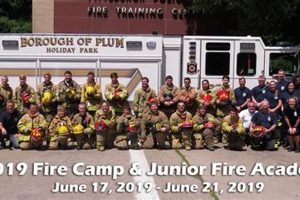
Active recruitment of volunteers is crucial for sustaining the organization’s operational capacity. Community service includes efforts to attract new members, highlighting the rewarding experience of serving the public and contributing to the collective well-being of the community. Recruitment events, informational sessions, and testimonials from current volunteers are utilized to engage potential candidates.
- Support for Local Organizations
Collaboration with other local organizations, such as schools, hospitals, and non-profits, strengthens the overall community support network. This can involve providing logistical support during community events, participating in joint training exercises, or offering assistance in times of need. Such partnerships enhance the organization’s ability to respond effectively to emergencies and promote a sense of unity within the community.
These diverse community service activities reinforce the critical role of the organization as not only an emergency responder but also a vital community partner. This multifaceted approach enhances public safety, promotes civic engagement, and strengthens the social fabric of the area served.
2. Volunteer Staffing

Volunteer staffing serves as the operational backbone. The organization’s capacity to provide emergency services directly relies on the commitment of individuals dedicating their time and skills without monetary compensation. Recruitment and retention of volunteers are therefore critical to its continued functionality. The availability of personnel dictates the scope of services that can be offered, ranging from basic fire suppression to advanced medical support. A well-staffed unit ensures timely response and adequate resources during emergencies.
The consequences of insufficient volunteer numbers are significant. Delayed response times, limited availability of specialized skills, and increased strain on existing personnel can compromise public safety. For example, during a major incident requiring multiple units, a lack of volunteers could necessitate reliance on external resources from neighboring districts, potentially delaying assistance. Conversely, robust volunteer numbers permit the organization to maintain a high level of readiness, offer diverse services, and actively participate in community outreach programs.
Sustaining volunteer staffing involves ongoing recruitment efforts, comprehensive training programs, and fostering a supportive organizational culture. Recognizing the value of volunteers and providing them with the necessary resources and development opportunities is essential for long-term operational success. Challenges include balancing volunteer commitments with personal lives, ensuring adequate training levels, and addressing the evolving needs of the community served. The effectiveness of the volunteer model ultimately determines the organization’s ability to fulfill its vital role within the district.
3. Emergency Response

Emergency response constitutes a core function, directly defining its purpose within the community. The effectiveness of this response is a critical metric for evaluating the organization’s overall performance and contribution to public safety.
- Incident Command System Implementation
Adherence to the Incident Command System (ICS) provides a standardized framework for managing emergency situations. This system ensures clear lines of communication, efficient resource allocation, and coordinated actions among responding personnel. During a structure fire, for example, the ICS framework dictates the roles and responsibilities of firefighters, paramedics, and support staff, streamlining the response effort and minimizing confusion.
- Timely Dispatch and Arrival
The speed and efficiency with which resources are dispatched and arrive at the scene significantly impact the outcome of an emergency. Factors such as location, traffic conditions, and resource availability can affect response times. Advanced mapping technologies, strategic station placement, and well-maintained equipment contribute to minimizing delays and maximizing the chances of a positive outcome. For instance, rapid response to a cardiac arrest incident greatly increases the likelihood of survival.
- Resource Adequacy and Deployment
The availability of appropriate resources, including trained personnel, specialized equipment, and sufficient supplies, is crucial for handling diverse emergency scenarios. Proper assessment of the situation allows for the deployment of the necessary resources to effectively mitigate the threat. This may involve dispatching additional fire engines to a large-scale fire, or specialized rescue teams to a technical rescue incident. The availability of these resources is directly dependent on volunteer staffing levels and budgetary considerations.
- Coordination with External Agencies
Effective emergency response often requires collaboration with other agencies, such as law enforcement, emergency medical services, and neighboring fire departments. Interagency communication and coordination are essential for ensuring a seamless and integrated response effort. Joint training exercises and pre-established communication protocols facilitate effective collaboration during complex incidents. A coordinated response to a mass casualty event, for example, necessitates close cooperation between multiple agencies to triage, treat, and transport victims effectively.
The ability to consistently deliver effective emergency response relies on a combination of factors, including well-trained personnel, efficient operational procedures, and strong community support. The ongoing evaluation and improvement of these elements are essential for ensuring the organization remains a reliable and valuable asset to the district it serves.
4. Fire Suppression

Fire suppression is a primary function of the Laytonsville District Volunteer Fire Department, representing a critical service provided to the community. The department’s efficacy in fire suppression directly impacts the safety and well-being of residents and the preservation of property within the district.
- Tactical Operations
Tactical operations involve the specific methods and strategies employed to extinguish fires. This includes size-up of the incident, deployment of hose lines, ventilation techniques, and search and rescue operations. Personnel are trained in a variety of firefighting techniques, adapting their approach based on the type of fire (e.g., structure fire, vehicle fire, brush fire) and the specific characteristics of the scene. The departments tactical proficiency is regularly assessed through training exercises and post-incident analysis.
- Equipment Maintenance and Readiness
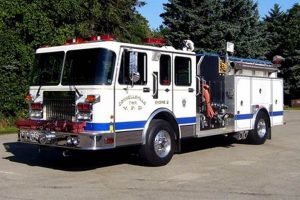
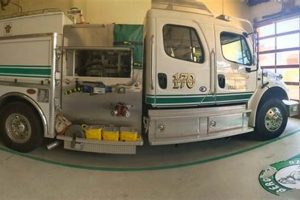
The proper functioning of firefighting equipment is essential for effective fire suppression. This includes fire engines, hoses, nozzles, self-contained breathing apparatus (SCBA), and personal protective equipment (PPE). The department maintains a rigorous schedule of equipment inspections, maintenance, and repairs to ensure that all resources are in optimal working condition. Deficiencies in equipment readiness can directly impair the ability to suppress fires effectively and safely.
- Water Supply Management
An adequate water supply is critical for sustained fire suppression operations. The department relies on a combination of municipal water systems, fire hydrants, and tanker trucks to provide water to the fire scene. Personnel are trained in water supply management techniques, including drafting from static water sources and establishing relay pumping operations. Inadequate water supply can significantly hinder firefighting efforts and prolong the duration of an incident.
- Training and Skill Development
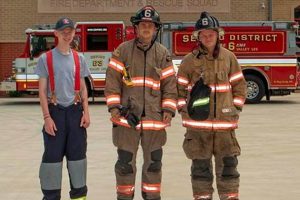
Ongoing training and skill development are essential for maintaining a high level of competency in fire suppression techniques. The department conducts regular training exercises, simulations, and continuing education programs to ensure that personnel are up-to-date on the latest firefighting methods and safety procedures. This includes training in structural firefighting, wildland firefighting, vehicle extrication, and hazardous materials response. Investment in training directly enhances the departments ability to effectively and safely suppress fires.
The multifaceted nature of fire suppression highlights the crucial role that the Laytonsville District Volunteer Fire Department plays in safeguarding the community. Continuous improvement in tactical operations, equipment readiness, water supply management, and personnel training is vital for ensuring the department’s effectiveness in mitigating fire-related emergencies.
5. Rescue Operations
Rescue operations represent a vital component of the services provided. These operations extend beyond fire suppression to encompass a range of emergency situations requiring the extraction and assistance of individuals in peril. The effectiveness in conducting rescue operations directly correlates with its mission to protect life and property within its jurisdiction. Consequently, training, equipment, and coordination are paramount for successful outcomes. The ability to perform swift and efficient rescues is a key indicator of the organization’s value to the community.
Specific scenarios requiring rescue operations include motor vehicle accidents, structural collapses, water rescues, and technical rescues involving confined spaces or heights. In the event of a serious car crash, personnel utilize specialized extrication tools to safely remove trapped occupants. Similarly, during a building collapse, trained rescuers employ shoring techniques and search and rescue protocols to locate and recover victims. The department collaborates with neighboring agencies and specialized teams to address incidents requiring advanced technical expertise. These collaborative efforts ensure a comprehensive response to complex rescue situations.
The integration of rescue operations into the overall service profile underscores the departments commitment to comprehensive emergency care. By maintaining proficiency in a variety of rescue techniques and fostering strong interagency partnerships, the organization enhances its capacity to respond effectively to diverse emergencies. The dedication to ongoing training and equipment upgrades reinforces the commitment to providing the highest level of rescue services to the community.
6. Medical Assistance

Medical assistance forms an integral component of the Laytonsville District Volunteer Fire Department’s service provision, extending beyond traditional fire suppression and rescue operations. The department often serves as a first responder in medical emergencies, providing initial assessment and treatment until advanced medical personnel arrive. This early intervention is crucial in stabilizing patients and improving outcomes, particularly in rural areas where ambulance response times may be longer. The department’s medical capabilities encompass basic life support (BLS), including CPR, airway management, and administration of oxygen. In certain cases, personnel may be trained to provide advanced life support (ALS), such as administering medications and performing advanced airway procedures, depending on local regulations and resource availability. An example is a call to a residence for a person experiencing chest pain; department volunteers would arrive, assess the patient, provide oxygen and potentially aspirin, and relay information to the arriving ambulance paramedics, assisting them to load and prepare the patient for transport.
The importance of medical assistance provided is amplified by the volunteer nature of the fire department. Volunteer members, often residing within the community they serve, can respond quickly to emergencies, offering immediate care to neighbors and fellow residents. Furthermore, participation in medical emergency response allows the department to maintain a constant presence of trained individuals within the community, prepared to address unexpected health crises. This capability reduces the strain on other emergency services and enhances the overall resilience of the local healthcare system. Regular training exercises and collaboration with local hospitals ensure that personnel remain proficient in medical protocols and best practices.
The provision of medical assistance by the Laytonsville District Volunteer Fire Department is a testament to the organization’s commitment to comprehensive community service. Integrating medical response into its operational framework improves the quality of emergency care, reduces response times, and strengthens the connection between the fire department and the people it serves. The ongoing challenges include securing funding for medical equipment, maintaining volunteer certification levels, and navigating complex medical protocols. Overcoming these challenges ensures that the department can continue to provide essential medical support to the community.
Frequently Asked Questions
The following section addresses common inquiries regarding the functions and operations of the Laytonsville District Volunteer Fire Department. It seeks to provide clear and concise information to enhance public understanding.
Question 1: What geographic area does the Laytonsville District Volunteer Fire Department serve?
The response area encompasses the Laytonsville District, which includes specific portions of Montgomery County, Maryland. Detailed boundary maps are available upon request from the department administrative office.
Question 2: How does the department fund its operations?
Funding is derived from a combination of sources, including county tax revenue, fundraising activities, and private donations. These funds support operational costs, equipment maintenance, and training programs.
Question 3: What types of emergencies does the department respond to?
The department responds to a range of emergencies, including structure fires, vehicle accidents, medical incidents, hazardous materials incidents, and technical rescues. Personnel are trained to address diverse emergency scenarios.
Question 4: How can individuals volunteer with the Laytonsville District Volunteer Fire Department?
Individuals interested in volunteering can submit an application through the department website or visit the fire station during scheduled recruitment events. Requirements include a background check, medical evaluation, and successful completion of training programs.
Question 5: What level of medical training do department personnel possess?
Department personnel undergo training in basic life support (BLS) procedures, including CPR, first aid, and oxygen administration. Some members may also be certified in advanced life support (ALS), depending on their individual training and qualifications.
Question 6: How can the community support the Laytonsville District Volunteer Fire Department?
Community members can support the department through monetary donations, participation in fundraising events, and volunteering their time and skills. Public support is vital for maintaining the department’s operational capacity.
These FAQs provide a basic overview of the department’s role and functions. For further information, direct inquiries to the appropriate departmental contacts.
The subsequent section examines future directions and challenges facing the Laytonsville District Volunteer Fire Department.
Conclusion
The preceding analysis has explored the multifaceted nature of the Laytonsville District Volunteer Fire Department, emphasizing its critical role in providing fire suppression, rescue operations, and medical assistance to the community. The reliance on volunteer staffing underscores the deep connection between the organization and the area it serves, while highlighting the challenges inherent in maintaining adequate resources and personnel. The effectiveness of emergency response is contingent upon comprehensive training, well-maintained equipment, and robust interagency collaboration.
The continued success of the Laytonsville District Volunteer Fire Department depends on sustained community support, proactive recruitment efforts, and a commitment to adapting to the evolving needs of the district. Ensuring the safety and well-being of the community requires ongoing investment in training, equipment, and infrastructure, as well as fostering a strong sense of civic responsibility among its residents. The future vitality of this essential service rests on the collective efforts of volunteers, community members, and local government officials.