Table of Contents

The criteria for receiving formal recognition for volunteer contributions from the executive branch of the U.S. government encompass several key aspects. These stipulations focus primarily on the amount of service hours accumulated within a 12-month period. The required hours vary depending on the age of the volunteer and the level of the award (Gold, Silver, or Bronze). Eligibility also typically necessitates that the volunteer activities benefit others outside of one’s immediate family. Documentation substantiating the claimed volunteer hours is crucial for the application process.
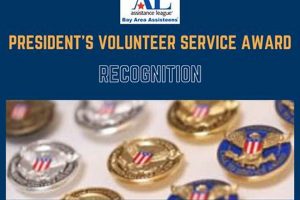
Formal acknowledgement for selfless service fosters a culture of civic responsibility and encourages ongoing community engagement. The recognition provides volunteers with a sense of accomplishment and can inspire others to dedicate their time and energy to various causes. Established in 2003, the program seeks to honor individuals whose service positively impacts communities and strengthens the nation.
Understanding the specific hour thresholds for each age group and award level, along with the documentation needed to verify volunteer activity, is essential for those seeking this prestigious form of national acknowledgement. Further considerations include eligible types of volunteer work and the processes for nomination and application.
Guidance for the President’s Volunteer Service Award
This section provides essential guidance for individuals and organizations seeking recognition for volunteer service through the formal presidential program.
Tip 1: Accurate Hour Tracking: Maintain meticulous records of all volunteer hours. Documentation should include dates, times, and a brief description of the volunteer activity. This record will be crucial when applying for the award.
Tip 2: Understand Eligibility: Familiarize yourself with the specific age categories and corresponding hour requirements for each award level (Bronze, Silver, Gold, Lifetime Achievement). Ensure the volunteers age is accurately represented.
Tip 3: Confirm Qualifying Service: Verify that the volunteer activities align with the program’s criteria. Service should generally benefit individuals or causes outside of the volunteer’s immediate family.
Tip 4: Proper Documentation: Gather appropriate documentation to substantiate the claimed volunteer hours. This may include letters from the benefiting organization, timesheets, or other verifiable records.
Tip 5: Utilize Certifying Organizations: Identify and connect with certifying organizations authorized to nominate volunteers for the award. These organizations can provide guidance throughout the application process.
Tip 6: Plan Ahead: Begin the application process well in advance of any deadlines. Allow sufficient time to gather all necessary documentation and complete the application thoroughly.
Tip 7: Thoroughly Review the Application: Before submission, carefully review all information on the application form to ensure accuracy and completeness. Errors or omissions may delay or disqualify the application.
Adhering to these recommendations will significantly enhance the prospect of successfully obtaining national recognition for dedicated volunteer contributions.
Understanding these considerations is the first step toward formal acknowledgement for selfless efforts and is vital for those pursuing formal recognition.
1. Service Hour Thresholds

Service hour thresholds represent a fundamental element within the overarching structure of the “president’s volunteer service award requirements.” They serve as the primary quantitative metric used to determine eligibility for the award across various age groups and recognition levels.
- Age-Based Differentiation
The stipulated service hours vary significantly based on the volunteer’s age. Children and teenagers have lower hourly requirements compared to adults. This tiered system acknowledges the differing capabilities and time commitments typically available to individuals at various life stages, ensuring equitable access to recognition.
- Award Level Tiers
Within each age category, service hour thresholds further delineate the different award levels Bronze, Silver, and Gold. Achieving higher award levels necessitates exceeding the minimum hour requirements. For example, an adult may need 100 hours for a Bronze award, 250 for Silver, and 500 for Gold, incentivizing sustained and significant volunteer contributions.
- Documentation Imperative
Meeting the service hour thresholds alone is insufficient. Stringent documentation standards mandate that all volunteer hours must be verifiable through recognized certifying organizations or documented evidence of service. Unsubstantiated claims, even if accurate, will not fulfill the requirements for award consideration.
- Implications for Organizations
The existence of specific hourly thresholds impacts volunteer organizations. They must accurately track and report volunteer hours to facilitate award applications. Organizations often play a crucial role in guiding volunteers to understand the “president’s volunteer service award requirements” and assist them in meeting the required standards.
The interconnection between service hour thresholds and the overarching formal presidential recognition program lies in their integral role in quantifying and validating volunteer contributions. These thresholds, when coupled with rigorous documentation and alignment with qualifying activities, effectively serve as the cornerstone for eligibility and subsequent acknowledgement.
2. Age Group Divisions

The division of volunteers into specific age groups represents a critical component of the “president’s volunteer service award requirements.” This segmentation directly influences the number of service hours needed to qualify for each award level (Bronze, Silver, Gold, and the Lifetime Achievement Award). Without these divisions, the program would lack the nuance necessary to appropriately recognize individuals across different stages of life and with varying levels of available time. The age categories, typically spanning from young children to adults, reflect realistic expectations for volunteer contributions within each demographic. The structure ensures fairness and accessibility, acknowledging that a young child’s capacity for volunteer work differs significantly from that of a working adult or a retiree.
For example, a child aged 5-10 might be required to complete a significantly lower number of volunteer hours to receive a Bronze award compared to an adult in the 26+ age category. This differentiation encourages early engagement in community service and provides achievable goals for younger participants. Conversely, the higher hour requirements for adults reflect the increased time and resources often available to them, setting a standard for significant community impact. Certifying organizations that oversee the nomination process must meticulously verify the age of each nominee to ensure compliance with the age-specific requirements.
In conclusion, age group divisions are not merely an administrative detail, but a fundamental element of “president’s volunteer service award requirements” that promotes equitable recognition and encourages volunteerism across all generations. The carefully calibrated hour thresholds within each age category ensure the program remains accessible, meaningful, and representative of the diverse contributions made by volunteers throughout the nation. Failing to recognize these distinctions would undermine the program’s core objective of honoring service in a fair and meaningful way.
3. Qualifying Activities
The specification of qualifying activities forms a cornerstone of “president’s volunteer service award requirements.” These stipulations define the types of services and engagements that are eligible for consideration when evaluating an individual’s volunteer contributions. The criteria ensure that the awarded recognition is reserved for impactful community service rather than personal endeavors.
- Direct Service to Individuals or Communities
Volunteer work that directly benefits individuals or communities is a primary focus. This includes activities such as tutoring, mentoring, providing meals to the homeless, or assisting at community centers. Such efforts demonstrate a direct positive impact on the lives of others, fulfilling a central tenet of the recognition program.
- Service Through Non-Profit Organizations or Civic Groups
Volunteerism performed in conjunction with established non-profit organizations or civic groups often qualifies. This includes roles such as fundraising for charitable causes, serving on boards of directors for non-profits, or participating in community improvement projects organized by local civic groups. The organizational structure provides accountability and ensures the service aligns with defined community needs.
- Exclusions: Political or Religious Activities
Activities with an overtly political or religious agenda generally do not qualify. While participation in civic engagement is encouraged, the program seeks to avoid endorsing specific political viewpoints or religious doctrines. Volunteer efforts must primarily serve a broader community need rather than promoting a particular partisan or religious cause.
- Limitations: Service to Immediate Family
Providing care or assistance to immediate family members typically does not qualify as volunteer service within the context of “president’s volunteer service award requirements.” The intention is to recognize service that extends beyond personal obligations and contributes to the well-being of the broader community. There may be exceptions in cases of formalized respite care programs administered through established organizations.
In summary, the designation of “qualifying activities” serves to ensure that the “president’s volunteer service award requirements” uphold the integrity of the recognition program by directing attention toward meaningful community service. Understanding these stipulations is essential for prospective nominees seeking to align their volunteer efforts with the program’s objectives.
4. Documentation Standards
Rigorous documentation standards are an indispensable component of “president’s volunteer service award requirements.” These standards ensure the integrity and credibility of the award by demanding verifiable proof of volunteer service. Without stringent guidelines for documentation, the evaluation process would be subjective and susceptible to inaccuracies, undermining the purpose of the formal recognition.
- Verification of Hours
The program mandates precise records of volunteer hours. Acceptable documentation includes signed letters from supervisors at the benefiting organization, official timesheets, or certificates of service. The documentation must clearly state the dates, times, and nature of the volunteer work performed. Vague or unsubstantiated claims are insufficient to meet “president’s volunteer service award requirements.”
- Organization Affiliation
Documentation must typically originate from a recognized certifying organization or a verifiable non-profit entity. This requirement ensures that the volunteer activities benefit legitimate community causes and are not solely for personal gain. The organization’s name, contact information, and tax identification number may be required to validate its legitimacy.
- Specific Activity Description
General statements of volunteer involvement are inadequate. Documentation must include a detailed description of the volunteer’s responsibilities and the specific tasks performed. This level of detail allows evaluators to assess the meaningfulness and impact of the service, ensuring it aligns with the qualifying activities defined by “president’s volunteer service award requirements.”
- Authentication and Signatures
Official signatures from authorized representatives of the benefiting organization are essential for authenticating the documentation. Electronic signatures are often accepted, provided they are verifiable and comply with established security protocols. Unsigned or improperly authenticated documents will not be considered as valid proof of volunteer service.
In summary, the strict documentation standards associated with “president’s volunteer service award requirements” serve as a critical safeguard against fraudulent claims and ensure that the awarded recognition is reserved for individuals who have genuinely demonstrated a commitment to community service. Adherence to these standards is paramount for all prospective nominees.
5. Certifying Organizations
Certifying Organizations are pivotal entities within the framework of “president’s volunteer service award requirements.” They serve as designated intermediaries between individual volunteers and the awarding body, playing a critical role in validating and documenting volunteer service. The existence of these organizations ensures accountability and prevents unsubstantiated claims. These vetted entities are authorized to nominate candidates, streamlining the application process and providing a level of assurance regarding the authenticity of the reported volunteer hours. Failure to engage with an approved Certifying Organization often disqualifies an application, as direct submissions from individuals are generally not accepted. This requirement mitigates the risk of inflated or falsified records, maintaining the integrity of the award. For example, a local chapter of the American Red Cross, acting as a Certifying Organization, can verify the hours a volunteer spends assisting in disaster relief efforts, providing the necessary documentation for an award nomination.
The connection extends beyond mere verification; Certifying Organizations also offer guidance to volunteers, ensuring they understand the specific stipulations for each award level. These organizations often maintain detailed records of volunteer activities, facilitating accurate hour tracking and reporting. Furthermore, they may provide training and resources to help volunteers maximize their impact and effectively document their contributions. The practical significance of this is evident in the increased likelihood of successful nominations when volunteers work through established Certifying Organizations. These organizations are familiar with the application procedures, documentation standards, and eligibility criteria, enabling them to effectively advocate for deserving candidates. For instance, a community-based organization focused on environmental conservation can not only provide volunteer opportunities but also act as a Certifying Organization, ensuring that its volunteers receive due recognition for their efforts in environmental stewardship.
In conclusion, Certifying Organizations are an indispensable element of “president’s volunteer service award requirements.” They act as gatekeepers, ensuring that only individuals with verified and impactful service receive formal recognition. Their involvement guarantees accountability, streamlines the nomination process, and provides valuable support to volunteers. While engaging with these organizations may require adherence to specific protocols and reporting standards, the benefits in terms of increased recognition and validation far outweigh the challenges. Understanding the role and function of Certifying Organizations is crucial for any individual or group seeking to participate effectively in the “president’s volunteer service award” program.
6. Award Level Criteria

Award Level Criteria are fundamental to the structure of the “president’s volunteer service award requirements.” These criteria establish the benchmarks that determine the level of recognition a volunteer receives, categorizing contributions based on hours served and, in some instances, the nature of the service itself. Without clearly defined Award Level Criteria, the formal presidential recognition program would lack a standardized method for evaluating and differentiating volunteer contributions.
- Bronze Level
The Bronze level signifies an initial commitment to volunteer service. It requires a minimum number of hours completed within a 12-month period, the specific quantity varying based on the volunteer’s age. Achieving this level demonstrates an individual’s willingness to dedicate time to community betterment. For example, a young adult may need to complete 100 hours of service to qualify for the Bronze award. This encourages sustained engagement in volunteer activities.
- Silver Level
The Silver level represents a more substantial commitment to volunteerism. Qualification necessitates exceeding the hour requirements for the Bronze level, signifying a deeper investment of time and effort. For instance, an adult might need to contribute 250 hours of service within a year to attain the Silver award. This serves as an incentive for volunteers to increase their involvement and expand their positive impact.
- Gold Level
The Gold level signifies a significant and sustained dedication to volunteer service. Meeting the criteria for this award requires a considerable time commitment, exceeding the hour thresholds for both the Bronze and Silver levels. An example would be an individual accumulating 500 or more volunteer hours within a single year. Attaining the Gold award is a testament to exceptional dedication and impactful community contributions.
- Lifetime Achievement Award
The Lifetime Achievement Award represents a cumulative dedication to volunteerism over an entire lifetime. The “president’s volunteer service award requirements” for this level typically involve a minimum of 4,000 hours served. This award acknowledges individuals who have consistently prioritized service throughout their lives, leaving a lasting positive impact on their communities. It serves as the highest form of recognition within the program.
These Award Level Criteria function in conjunction with other elements of “president’s volunteer service award requirements,” such as age group divisions and qualifying activities, to ensure a fair and comprehensive evaluation process. The hierarchical structure of the awards incentivizes ongoing volunteer engagement and recognizes varying degrees of commitment, reinforcing the program’s objective of promoting and honoring selfless service.
Frequently Asked Questions
This section addresses common inquiries regarding the stipulations for the President’s Volunteer Service Award. The information provided aims to clarify eligibility and application procedures.
Question 1: What constitutes a qualifying volunteer activity?
Qualifying activities generally involve service to individuals or communities through established non-profit organizations or civic groups. Activities should primarily benefit others outside of one’s immediate family. Overtly political or religious activities typically do not qualify.
Question 2: How are volunteer hours documented and verified?
Volunteer hours require documentation from a recognized certifying organization or a verifiable non-profit entity. Acceptable documentation includes signed letters, official timesheets, or certificates of service, clearly stating the dates, times, and nature of the volunteer work.
Question 3: Is there a minimum age requirement for the award?
While there is no strict minimum age, the program is structured with age-based divisions and corresponding hour requirements. Children and teenagers have lower hourly requirements compared to adults, acknowledging varying capacities and time commitments.
Question 4: What are the different award levels and their respective hour requirements?
The award levels are Bronze, Silver, Gold, and Lifetime Achievement. The hour requirements vary depending on age and the specific award level. The Lifetime Achievement Award has a cumulative minimum of 4,000 hours served.
Question 5: Who are considered “Certifying Organizations,” and what role do they play?
Certifying Organizations are vetted entities authorized to nominate volunteers for the award. They verify volunteer hours and ensure compliance with program requirements. Engagement with an approved Certifying Organization is often essential for a successful application.
Question 6: Can service to immediate family members be counted towards the required volunteer hours?
Generally, providing care or assistance to immediate family members does not qualify as volunteer service. The program aims to recognize service that extends beyond personal obligations and contributes to the broader community.
Key takeaways include the importance of accurate documentation, understanding age-specific requirements, and aligning volunteer activities with program guidelines. Engaging with a Certifying Organization is highly recommended.
The next section will provide additional resources and guidance for navigating the application process.
President’s Volunteer Service Award Requirements
This exploration of “president’s volunteer service award requirements” has underscored the multifaceted nature of eligibility for national recognition of volunteer service. Strict adherence to delineated criteria, including age-based hourly thresholds, qualifying service activities, and rigorous documentation protocols, remains paramount for prospective nominees. The indispensable role of certifying organizations in validating and streamlining the application process has also been emphasized.
Given the rigorous framework governing eligibility, prospective nominees should meticulously review all stipulations and engage with authorized certifying organizations to ensure compliance. A clear understanding of “president’s volunteer service award requirements” is not merely a procedural necessity, but a fundamental prerequisite for achieving formal acknowledgement of impactful and sustained contributions to the community. By diligently adhering to these established guidelines, volunteers enhance their prospects of receiving the national recognition they deserve.