


Table of Contents
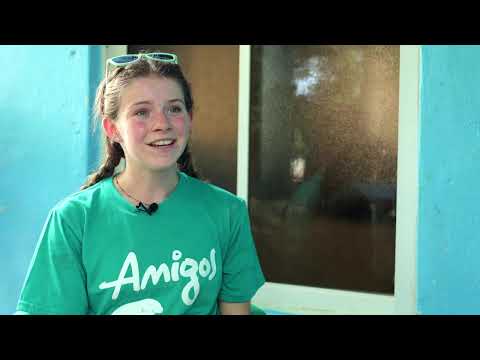
Typing “AMIGOS de las Américas volunteer near me” into a search engine is usually the first step of a much bigger journey — one that tens of thousands of young people have taken since 1965. Whether you’re a high school student chasing Spanish immersion, a parent vetting summer service programs, or a young adult considering a purposeful gap year, this guide walks you through everything: how to locate AMIGOS chapters and opportunities in your area, what the programs actually involve, what they cost, and how to decide whether the experience is right for you. Consider it a practical, no-fluff roadmap.
What Is AMIGOS de las Américas?
AMIGOS de las Américas is a Houston-based nonprofit founded in 1965, when a group of Texas teenagers traveled to Honduras to support polio vaccination campaigns in rural villages. That single mission grew into one of the most respected youth leadership organizations in the hemisphere. Today, AMIGOS runs immersive volunteer programs across Latin America in partnership with local community organizations, concentrating on youth development, environmental conservation, education, and public health. Tens of thousands of alumni have completed the experience, and the organization’s emphasis on cultural humility, language immersion, and community-led service has made it a standout among volunteer abroad providers for teens and young adults.
How to Find AMIGOS Volunteer Opportunities Near You

Here’s the detail most first-time searchers miss: AMIGOS isn’t just a program you join — it’s a network you plug into. The organization operates through a hybrid model of volunteer-run local chapters plus at-large enrollment, so “near me” can mean a training group in your city or a virtual cohort that meets online. Both paths lead to the same core experience abroad.
Start With the Official Chapter Locator
The fastest route is the chapter locator on the official AMIGOS website. Chapters are affiliate groups hosted in metro areas across the United States — historically concentrated in Texas, Colorado, the Chicago area, the San Francisco Bay Area, Minneapolis, and the Washington, D.C. region, though the map shifts year to year. A chapter is more than a sign-up desk. It’s where you’ll attend monthly training sessions, practice conversational Spanish, complete local service projects, and fundraise alongside other volunteers before departure. If a chapter operates within driving distance, joining it is typically the most affordable and best-supported route.
No Chapter Nearby? Use the At-Large Pathway
If you don’t live near a chapter city, AMIGOS offers an at-large enrollment track in which volunteers complete much of their training virtually or through regional weekends, then join summer programs alongside chapter participants. This option matters for students in rural states or metro areas without an affiliate — you receive the same in-country program with a more flexible preparation structure.
Look Beyond the Search Bar
- Register for an AMIGOS info session or webinar, most of which run from fall through early spring.
- Email the admissions or outreach team and ask what’s currently active in your state.
- Ask your school counselor — some chapters recruit through specific high schools.
- Follow AMIGOS on social media, where event announcements and alumni panels are posted first.

Types of AMIGOS Volunteer Programs
Programs generally fall into a few categories. Ages, lengths, and language expectations shift by year and destination, so treat this table as a snapshot — then confirm details on the current program pages.
| Program Type | Typical Age | Typical Duration | Language Expectation |
| Summer Volunteer Abroad | ~15–19 | 4–6 weeks | Spanish recommended |
| Gap Year Programs | ~17–22 | 3–6 months | Intermediate Spanish often required |
| Young Adult / College Tracks | 18+ | 2–8 weeks | Varies by placement |
| Chapter & Virtual Engagement | 13+ | Ongoing | None required |
For most first-timers, the flagship is the summer program: several weeks living with a vetted host family, co-facilitating youth camps and community activities, and supporting a locally designed project alongside partner organizations.
Who Can Volunteer? Eligibility at a Glance
- Age: Most summer programs serve teenagers in the mid-teens to nineteen range; gap-year tracks extend into the early twenties.
- Language: Spanish is recommended for most placements and required for some; beginners are welcome on select programs.
- Health: Volunteers complete a health review and required vaccinations before departure.
- Commitment: Chapters expect consistent training attendance and active participation in fundraising.
- Mindset: Flexibility, cultural openness, and resilience matter more than résumé polish.
The Application and Training Timeline
- Attend an info session or webinar, usually between September and February.
- Submit the online application with short answers and references.
- Complete a friendly interview with chapter or national staff.
- Accept your placement and enroll; country assignments often come later.
- Attend monthly trainings from spring through departure, covering safety, health, facilitation skills, and cultural humility.
- Fundraise with your chapter or through at-large campaigns.
- Depart in June or July for your summer placement.
What Does Volunteering With AMIGOS Cost?
Honest answer: it’s a meaningful investment. Summer programs typically cost several thousand dollars — commonly in the $4,000 to $7,000 range depending on program length, destination, and whether you enroll through a chapter or at large. The good news is that the model is built around fundraising. Chapter volunteers routinely offset a large share of program fees through letter-writing campaigns, silent auctions, restaurant nights, raffles, and small grants. AMIGOS also offers need-based scholarships and payment plans. Treat fundraising as part of the leadership curriculum rather than an obstacle — alumni consistently say it taught them more about communication than any workshop ever did.
What Volunteers Actually Do in the Field
Daily life varies by country and project, but the rhythm is consistent: mornings with your host family, afternoons co-leading activities with community members — youth camps, environmental workshops, English practice, sports clinics, mural projects — and regular check-ins with AMIGOS field staff. Crucially, projects are designed with local partners, so volunteers support community leadership instead of replacing it. Expect bucket showers, slow Wi-Fi, and long bus rides in some placements; expect personal growth everywhere.
Safety, Health, and Support Systems
Parents ask about safety first, and rightly so. AMIGOS maintains professional field staff in-country, structured itineraries with 24/7 emergency support, medical insurance, pre-departure health screening, and clear communication protocols with families. Homestays are vetted through long-standing community partners, and supervisors check in with volunteers regularly throughout the placement. No international program eliminates risk entirely, but six decades of operating history, institutional safety protocols, and thorough volunteer preparation place AMIGOS among the most vetted options in the youth travel space.
Expert Tips for Choosing the Right Program
- Apply early. Chapter spots and country placements fill on a rolling basis, and financial aid deadlines arrive quickly.
- Choose for community impact, not Instagram appeal. A program built around genuine partnership beats a photogenic destination.
- Start language practice now. Even 15 minutes a day transforms your immersion experience.
- Talk to alumni. Ask about host families, project autonomy, and homesickness — the honest stuff.
- Budget beyond the fee. Gear, vaccinations, and passport costs add up; plan for them.
Final Thoughts
Finding “AMIGOS de las Américas volunteer near me” is less about locating a building and more about finding your entry point into a network that has shaped young leaders for nearly six decades. Whether you join a chapter in a major metro, enroll at-large from a small town, or begin with local fundraising events, the pathway is well marked. Do your research, start early, fundraise boldly, and go — the communities, host families, and friendships tend to stay with volunteers long after the flight home.
Frequently Asked Questions
How do I find an AMIGOS de las Américas chapter near me?
Use the chapter locator on the official AMIGOS website, which lists active affiliate groups by region. If nothing appears within driving distance, contact the outreach team directly — chapter coverage changes yearly, and at-large enrollment lets you participate from anywhere in the United States.
Do I need to speak Spanish to volunteer with AMIGOS?
Not always. Spanish is recommended for most Latin America placements and required for some, but beginners are accepted on select programs. Chapter and at-large trainings include language preparation, and motivated beginners often progress quickly thanks to full immersion with host families.
How much does an AMIGOS summer program cost, and can fundraising cover it?
Fees commonly range from roughly $4,000 to $7,000 depending on length and destination. Chapter volunteers frequently cover a substantial portion through letter-writing campaigns, community events, and grants, and AMIGOS offers need-based scholarships and payment plans to widen access.
Is AMIGOS de las Américas safe for high school volunteers?
Yes, within the realities of international travel. The organization provides vetted homestays, professional field staff, 24/7 emergency support, medical insurance, and structured pre-departure training. Families receive clear communication protocols, and supervisors check in with volunteers regularly throughout the placement.
Can I volunteer with AMIGOS if there’s no chapter in my state?
Absolutely. The at-large pathway allows students anywhere in the country to complete training virtually or through regional events and join the same summer programs as chapter-based volunteers. Fundraising support is available to at-large participants as well.
What age do you have to be to join AMIGOS?
Most summer volunteer programs serve teenagers roughly between 15 and 19, while gap year and young adult tracks extend into the early twenties. Exact age windows vary by program and country, so always verify the requirements for your specific session before applying.