Table of Contents

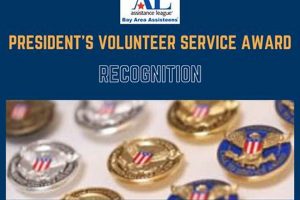
This distinguished award recognizes members of the U.S. Army who perform substantial volunteer service to the community. It is awarded for service that is above and beyond the duties required as a member of the Armed Forces and provides tangible benefit to the community. An example includes significant involvement in charitable organizations, youth mentorship programs, or environmental conservation efforts.
The conferral of this honor highlights the Army’s commitment to civic responsibility and encourages soldiers to actively contribute to the well-being of their local communities. It provides a formal mechanism to acknowledge selfless dedication and reinforces the importance of service both within and outside of military obligations. Its existence helps to foster positive relationships between the Army and the populations it serves and aims to promote soldiers engagement and demonstrate their positive impact outside of the military environment.
Subsequent sections will elaborate on the eligibility criteria, application process, and associated regulations governing the awarding of this meritorious decoration. Further examination will delve into the specific types of activities considered qualifying volunteer efforts and the documentation required to support nominations.
Guidance for Nomination and Earning the Army Military Outstanding Volunteer Service Medal
The following guidance provides practical advice for soldiers and commanders seeking to nominate or earn this prestigious recognition for volunteer service. Careful adherence to these recommendations will enhance the likelihood of a successful nomination.
Tip 1: Thoroughly Document Volunteer Activities: Maintain detailed records of all volunteer hours, including dates, times, locations, and the specific organization or activity involved. Official letters or certificates of appreciation from the benefiting organization serve as invaluable supporting documentation.
Tip 2: Focus on Sustained and Significant Contributions: The selection board prioritizes consistent engagement over isolated events. Concentrate volunteer efforts on a few key organizations or causes to demonstrate a genuine commitment to community betterment.
Tip 3: Quantify the Impact of Volunteer Work: Whenever feasible, provide quantifiable data to illustrate the positive effects of the volunteer efforts. For example, if involved in fundraising, state the total amount raised. If involved in tutoring, note the number of students tutored and any improvements in their academic performance.
Tip 4: Ensure Compliance with Army Regulations: All volunteer activities must adhere to Army regulations, including those pertaining to ethics, conflicts of interest, and political activities. Consult with a supervisor or legal counsel if uncertainties arise.
Tip 5: Submit a Comprehensive Nomination Package: The nomination package should be well-organized, clearly written, and inclusive of all relevant documentation. A strong narrative that highlights the soldier’s dedication and the positive impact of their volunteer service is essential.
Tip 6: Initiate the Nomination Process Early: Allow sufficient time for gathering documentation, completing the nomination form, and obtaining necessary endorsements. Procrastination may result in a rushed or incomplete submission, thereby diminishing the chances of approval.
These tips emphasize the importance of meticulous record-keeping, sustained commitment, quantifiable results, and adherence to regulatory requirements. Adherence can significantly improve chances of a successful nomination and bestowal of the deserved award.
The subsequent section will explore common misconceptions regarding eligibility and provide answers to frequently asked questions about the Army’s volunteer service recognition program.
1. Eligibility Requirements

Eligibility Requirements are the foundational criteria determining a service member’s candidacy for the Army Military Outstanding Volunteer Service Medal. Failure to meet these prerequisites automatically disqualifies a soldier from consideration, regardless of the extent or impact of their volunteer efforts. The criteria ensure that the award is bestowed upon individuals who genuinely embody the spirit of selfless service while upholding the standards of the U.S. Army. For example, a soldier with a disciplinary record may be ineligible, even if they have dedicated a significant amount of time to community service, emphasizing the importance of adhering to Army values in addition to volunteerism.
A crucial aspect of eligibility concerns the nature of the volunteer activities themselves. Activities conducted under duress or in fulfillment of a court order, for instance, do not qualify. The service must be freely given and aimed at directly benefiting the civilian community. Moreover, the volunteer work cannot be related to the soldier’s assigned military duties or responsibilities. Understanding these nuances is practically significant for both potential nominees and their commanders to ensure accurate and ethical submission of award recommendations.
In summary, the Eligibility Requirements serve as a gatekeeper, ensuring that the Army Military Outstanding Volunteer Service Medal recognizes those soldiers who have demonstrated exceptional dedication to community service while maintaining the highest standards of military conduct. Challenges may arise in accurately documenting volunteer hours and demonstrating the direct benefit to the community, but adherence to regulations and transparent reporting are paramount for successful consideration.
2. Qualifying Activities

The designation of “Qualifying Activities” is inextricably linked to the attainment of the Army Military Outstanding Volunteer Service Medal. Without demonstrably qualifying volunteer efforts, the medal cannot be awarded. The medal serves as recognition for service members who actively engage in volunteer endeavors that directly benefit civilian communities, thereby establishing a clear cause-and-effect relationship. The presence of substantial qualifying activities results in consideration for the medal; the absence thereof precludes eligibility. For instance, participation in local food banks, tutoring programs for disadvantaged youth, or habitat restoration projects are generally considered qualifying activities. These actions must be documented and verified to meet the criteria.
The importance of defining “Qualifying Activities” lies in ensuring that the medal acknowledges genuine contributions to society, distinguishing these efforts from activities that may be personally beneficial but do not provide a service to others. For example, personal fitness pursuits or activities that primarily benefit the service member’s family are typically not considered qualifying activities. Similarly, mandatory community service assigned as part of a disciplinary action also does not qualify. The distinction is crucial to maintaining the integrity and value of the award. Army regulations outline specific guidelines and provide examples of both qualifying and non-qualifying activities, emphasizing the need for careful interpretation and adherence to the established criteria.
In conclusion, understanding the connection between “Qualifying Activities” and the Army Military Outstanding Volunteer Service Medal is essential for both prospective nominees and commanders responsible for submitting nominations. The presence of verified qualifying activities is a prerequisite for receiving the medal. Challenges may arise in determining whether specific activities meet the required criteria, but careful review of Army regulations and consultation with appropriate authorities can mitigate these issues. The proper identification and documentation of qualifying activities are paramount to upholding the medal’s significance as a symbol of selfless service and civic responsibility.
3. Minimum Hours

The “Minimum Hours” requirement represents a critical threshold in the process of earning the Army Military Outstanding Volunteer Service Medal. It establishes a baseline level of commitment required for a service member’s volunteer efforts to be considered substantial enough to warrant recognition, ensuring that the award is reserved for those who demonstrate significant dedication to community service.
- Quantifiable Service Benchmark
The “Minimum Hours” requirement provides a tangible metric for assessing the extent of a soldier’s volunteer work. This quantifiable standard helps to ensure fairness and consistency in the selection process, preventing subjective biases from unduly influencing award decisions. For instance, while the exact number of hours may vary depending on the specific command or nominating authority, a general benchmark is often around 60-80 hours within a 12-month period. This threshold helps to separate casual participation from genuine commitment.
- Sustained Engagement over Sporadic Acts
The emphasis on accumulating “Minimum Hours” encourages sustained engagement in volunteer activities, rather than sporadic or isolated acts of service. This reinforces the importance of long-term commitment to community improvement. For example, consistently volunteering at a homeless shelter or tutoring underprivileged students over an extended period demonstrates a deeper level of dedication than simply participating in a one-time charity event. This sustained engagement is what the award seeks to recognize.
- Differentiation from Required Duties
The “Minimum Hours” must be accumulated through activities that are genuinely voluntary and above and beyond the call of duty. Time spent performing tasks that are required as part of a service member’s assigned duties does not count towards the “Minimum Hours” requirement. This distinction is important for ensuring that the award recognizes true acts of selfless service, rather than simply rewarding soldiers for performing their regular responsibilities. Volunteering at the base’s Family Readiness Group may not always qualify depending on whether this is a required component of their work scope.
- Verification and Documentation
Meeting the “Minimum Hours” requirement necessitates meticulous record-keeping and documentation of all volunteer activities. Supporting documentation, such as letters from the organizations benefited, attendance logs, or certifications of completion, is essential for verifying the hours claimed. Without adequate documentation, the nomination may be rejected, even if the service member has genuinely dedicated the required time. Accurate and verifiable records are paramount.
In conclusion, the “Minimum Hours” requirement is not merely a bureaucratic hurdle, but rather a fundamental aspect of the Army Military Outstanding Volunteer Service Medal. It ensures that the award is bestowed upon those who have demonstrated a substantial and sustained commitment to improving their communities. Accurate documentation of these hours is vital to a successful nomination. Understanding the significance of the “Minimum Hours” requirement is crucial for both prospective nominees and their commanders.
4. Documentation Standards

Documentation standards are intrinsically linked to the Army Military Outstanding Volunteer Service Medal, representing a pivotal component in the award’s selection process. Comprehensive and accurate documentation serves as the verifiable evidence substantiating a nominee’s volunteer activities. Without adherence to established documentation standards, claims of volunteer service lack credibility, potentially disqualifying an otherwise deserving soldier. The rigor of documentation directly impacts the integrity of the award, ensuring recognition is granted solely to individuals who have genuinely dedicated their time and effort to serving the community. An instance of insufficient documentation might involve a soldier claiming several hours of volunteer work without providing supporting letters from the organization benefited or official attendance records. Such a submission would likely be deemed inadequate due to the absence of verifiable proof.
The specific requirements for documentation typically include, but are not limited to, signed letters from the organizations benefiting from the volunteer service, detailing the nature and duration of the service rendered, official attendance logs, or certificates of completion. The documentation must clearly identify the soldier, the dates of service, the total number of hours volunteered, and a description of the activities performed. Properly formatted and organized documentation facilitates efficient review by the selection board, allowing for a fair and objective assessment of the nominee’s contributions. For instance, a well-prepared nomination package would include letters from multiple organizations, each clearly outlining the soldier’s role and the positive impact of their volunteer efforts. This level of detail provides compelling evidence of the soldier’s commitment to community service.
In conclusion, adherence to strict documentation standards is not merely a procedural formality but a fundamental prerequisite for receiving the Army Military Outstanding Volunteer Service Medal. Complete, accurate, and verifiable documentation serves as the cornerstone of a successful nomination, ensuring that the award recognizes genuine dedication and selfless service. Overcoming challenges related to obtaining and organizing the required documentation necessitates proactive planning and diligent record-keeping. Maintaining a comprehensive log of volunteer activities and securing timely confirmation from benefiting organizations is crucial for maximizing the chances of a successful nomination, thus upholding the award’s value and prestige.
5. Nomination Process
The Nomination Process constitutes a critical juncture in the conferral of the Army Military Outstanding Volunteer Service Medal. It is the formalized procedure through which a deserving soldier’s volunteer efforts are recognized and evaluated for potential award, serving as the gateway between commendable service and official commendation.
- Initiation of Nomination
The nomination typically originates within the soldier’s chain of command. Any supervisor or leader aware of a soldier’s exceptional volunteer contributions can initiate the nomination process. However, the onus is often on the individual soldier to provide the necessary documentation and information to support their nomination. An example would be a squad leader observing a soldier’s consistent dedication to a local youth mentorship program and prompting the soldier to compile a nomination package.
- Submission of Nomination Package
A comprehensive nomination package is essential. It must include detailed documentation of the volunteer activities, including dates, times, locations, and the names and contact information of the organizations benefited. Supporting letters from these organizations, attesting to the soldier’s contributions, are crucial. The package must also include a narrative that articulates the soldier’s dedication, the impact of their service, and how it exceeds expectations. Incomplete or poorly documented packages significantly diminish the chances of approval.
- Review and Endorsement
The nomination package undergoes review at various levels within the chain of command. Each level assesses the accuracy and completeness of the documentation, the significance of the volunteer efforts, and the soldier’s overall eligibility. Endorsement by the soldier’s immediate supervisor, commander, and other senior leaders demonstrates a consensus within the chain of command that the soldier’s volunteer service is truly exceptional and deserving of recognition.
- Final Approval
The final approval authority rests with a designated officer, typically a general officer or an equivalent senior leader. This officer reviews the nomination package and endorsements and makes the final determination regarding whether to award the medal. The decision is based on a holistic assessment of the soldier’s volunteer contributions, their overall service record, and the alignment of their actions with the values and standards of the U.S. Army. Approval signifies that the soldier’s volunteer service has met the stringent criteria for the Army Military Outstanding Volunteer Service Medal.
These stages are intrinsic to ensuring the deserved allocation of the Army Military Outstanding Volunteer Service Medal. Omission of any aspect jeopardizes appropriate consideration of a soldier’s worthiness. The nomination process, therefore, upholds the integrity and significance of this distinguished accolade.
6. Approval Authority
The “Approval Authority” holds the ultimate decision-making power regarding the bestowal of the Army Military Outstanding Volunteer Service Medal. This authority, typically vested in a general officer or equivalent senior leader, represents the final safeguard ensuring the award’s integrity and upholding its standards. The “Approval Authority’s” judgment is pivotal; a positive decision results in formal recognition, whereas a negative one denies the award, regardless of prior endorsements within the chain of command. An instance highlighting this influence involves a situation where a soldier’s nomination package, though favorably reviewed at lower levels, was ultimately rejected by the “Approval Authority” due to inconsistencies in the documented volunteer hours, demonstrating the decisive nature of this role.
The significance of understanding the “Approval Authority’s” role lies in appreciating the rigorous evaluation process integral to the awarding of this medal. This individual ensures the volunteer activities genuinely meet established criteria and are above and beyond the soldier’s regular duties. For example, if a nominated activity is deemed to primarily benefit the soldier’s unit rather than the broader civilian community, the “Approval Authority” might deny the medal, clarifying the distinction between military support and true volunteerism. Furthermore, the “Approval Authority” also confirms the alignment of the service with Army values and ethical guidelines, preventing recognition of activities that might be controversial or conflict with official policy.
In summary, the “Approval Authority” acts as the final arbiter in the selection process for the Army Military Outstanding Volunteer Service Medal. Their judgment guarantees that the award maintains its prestige by recognizing only those soldiers who have demonstrated exceptional dedication to community service while adhering to the Army’s stringent standards. Challenges associated with this process often stem from the subjective nature of evaluating volunteer impact; however, the “Approval Authority’s” objectivity is paramount in ensuring a fair and consistent application of the medal’s criteria, thereby preserving its significance.
7. Presentation Protocol
The Presentation Protocol is the concluding, yet crucial, act in recognizing a soldier’s volunteer achievements with the Army Military Outstanding Volunteer Service Medal. It transforms the abstract recognition into a tangible honor, solidifying the significance of selfless service within the Army’s culture. The conferral ceremony serves as a powerful testament to the soldier’s dedication, demonstrating the Army’s commitment to acknowledging those who go above and beyond their duties to serve the community. For instance, a formal presentation, often conducted in front of peers and superiors, not only honors the recipient but also inspires others to engage in similar acts of volunteerism. The absence of a proper presentation diminishes the perceived value of the award and can undermine the intended message of encouraging civic engagement.
Specific elements of the Presentation Protocol typically involve the reading of a citation highlighting the soldier’s accomplishments, the pinning of the medal onto the soldier’s uniform by a senior officer, and a formal address acknowledging the significance of the volunteer work. These elements collectively contribute to a dignified and memorable event. Furthermore, adherence to established protocol ensures consistency and uniformity across different units and commands. Deviations from established protocol, such as an informal or rushed presentation, can inadvertently devalue the honor. Understanding these protocols enables commands to effectively recognize their soldiers’ achievements and reinforce the Army’s values of service and selfless sacrifice.
In summary, the Presentation Protocol is not merely a ceremonial formality but a fundamental aspect of the Army Military Outstanding Volunteer Service Medal. A well-executed presentation validates the soldier’s efforts, reinforces the Army’s commitment to community service, and inspires others to follow suit. Challenges in implementing effective presentation protocols often arise from logistical constraints or a lack of awareness of the established procedures; however, careful planning and attention to detail can overcome these obstacles, ensuring that the award ceremony appropriately honors the recipient and underscores the Army’s core values.
Frequently Asked Questions
The following section addresses common inquiries and clarifies misunderstandings regarding the Army Military Outstanding Volunteer Service Medal, offering definitive answers grounded in official regulations and established precedent.
Question 1: Does participation in mandatory unit-sponsored events count towards the required volunteer hours?
No. Activities performed as part of a soldier’s assigned duties, even if beneficial to the community, do not qualify as volunteer service for purposes of this medal. Volunteer service must be freely given and beyond the scope of required responsibilities.
Question 2: Is there a specific time period within which the volunteer hours must be accumulated?
Typically, volunteer hours should be accumulated within a 12-month period. However, some commands may allow for a longer period, provided the service is sustained and consistent. Consult local regulations for specific guidance.
Question 3: What documentation is considered acceptable proof of volunteer service?
Acceptable documentation includes letters from benefiting organizations, signed attendance logs, certificates of completion, and any other official documentation that verifies the nature and duration of the volunteer service. Self-prepared logs without corroborating evidence are generally insufficient.
Question 4: Can volunteer activities that benefit family members be considered for the award?
Generally, no. The volunteer service must directly benefit the broader civilian community, not primarily the soldier’s family members. Activities such as coaching a child’s sports team typically do not qualify.
Question 5: What impact does a disciplinary record have on eligibility for the medal?
A significant disciplinary record may disqualify a soldier from receiving the medal, even if they have otherwise met the volunteer hour requirements. The award is intended to recognize soldiers who embody the Army’s values of selfless service and good conduct.
Question 6: Is there a formal ceremony associated with the presentation of the Army Military Outstanding Volunteer Service Medal?
A formal presentation ceremony is highly encouraged, although specific protocols may vary depending on the command. The ceremony should include a reading of the citation, the pinning of the medal, and an acknowledgment of the soldier’s contributions.
These answers clarify key aspects of the award, highlighting the importance of genuine volunteerism, thorough documentation, and adherence to ethical standards. It is recommended to consult official Army regulations and local command policies for definitive guidance.
The subsequent section will explore resources and references for further information on this recognition.
Concluding Remarks
This exploration of the Army Military Outstanding Volunteer Service Medal has illuminated its purpose, criteria, and significance. The review of eligibility requirements, qualifying activities, documentation standards, nomination processes, approval authority, and presentation protocols provides a comprehensive understanding of the medal’s framework. Clarification of frequently asked questions has further addressed common ambiguities surrounding its conferral.
The Army Military Outstanding Volunteer Service Medal serves as a vital mechanism for acknowledging and incentivizing civic engagement among soldiers. Continued adherence to established guidelines and promotion of volunteerism within the ranks will ensure that this award remains a meaningful symbol of selfless service and dedication to the community, fortifying the bond between the Army and the nation it serves.